
Estimated Time of Departure (ETD) — Definition, Vessel Schedules & 2025 E-commerce Transit Planning Updated Dec 2025
Source: International Maritime Organization (IMO), International Air Transport Association (IATA), U.S. Customs & Border Protection (CBP), major ocean carriers and airlines, and WinsBS Research (2025).
What Is Estimated Time of Departure (ETD)?
View Industry Definition
Estimated Time of Departure (ETD) is the planned date and time when a vessel, aircraft, truck, or train is scheduled to leave the origin location — such as an ocean port, airport, CFS, or cross-dock facility.
In practice, ETD is the anchor for how forwarders and carriers calculate total transit time, publish sailing schedules, and inform shippers when cargo will actually start moving. For e-commerce importers using FCL, LCL, air freight, or express couriers, ETD is the starting point for inventory arrival planning.
ETD sits in the same family of transit timestamps as:
- ETD — Estimated Time of Departure (planned leaving time).
- ETA — Estimated Time of Arrival (planned arrival time).
- ATD — Actual Time of Departure (when the vessel/flight actually departs).
- ATA — Actual Time of Arrival (when the vessel/flight actually arrives).
In ocean freight, ETD is tied to the vessel’s published sailing schedule and port cut-off rules. In air freight and express, ETD is typically connected to flight schedules and departure waves from hub airports. For e-commerce shipments destined to Amazon FBA, FBM/SFP nodes, or independent 3PL warehouses, ETD drives when sellers expect inventory to be available for sale.
— WinsBS Research, Asia–US E-commerce Transit Reliability Report 2025
ETD vs ETA vs ATD — What’s the Difference?
| Term | Full Name | What It Describes | Common Use Case |
|---|---|---|---|
| ETD | Estimated Time of Departure | Planned date/time the vessel, aircraft, or truck will leave origin. | Booking confirmation, cut-off planning, inventory lead time models. |
| ETA | Estimated Time of Arrival | Planned date/time cargo is expected to arrive at destination. | Customs clearance timing, warehouse receiving, FBA/3PL appointments. |
| ATD | Actual Time of Departure | Confirmed date/time when the vessel or flight actually left. | Transit time performance analysis, delay measurement, freight KPIs. |
For planning purposes, importers forecast based on ETD + transit time = ETA, then adjust once ATD/ATA data becomes available from the carrier or freight forwarder.
Regional Variations & ETD Reliability (2025)
View Trade Lane ETD Characteristics
| Trade Lane / Mode | Key Systems & Authorities | ETD Considerations for E-commerce Importers |
|---|---|---|
| Asia → United States (Ocean FCL/LCL) | Ocean carriers, FMC, CBP, ISF 10+2, AMS |
|
| Asia → European Union (Ocean) | EU customs, ENS/ICS2, national port authorities |
|
| China Export (FCL/LCL) | China Customs, port terminals, CFS |
|
| Global Air Freight (Airport–Airport) | IATA, airport slot control, airline OPS |
|
| Express Courier (Door–Door) | Integrated networks (DHL Express, UPS, FedEx) |
|
Expert Insight — Why ETD Drives Stock Risk More Than You Think
View Analyst Commentary
Maxwell Anderson, Editor-in-Chief & Data Director, WinsBS Research:
1. ETD is the first variable in every inventory model.
When brands calculate inbound lead time from Asia to U.S. hubs, they often treat ETD as fixed. Our 2025 dataset shows that on major Asia–US lanes, over 40% of sailings have ETD shifts of 24+ hours between booking and actual departure. Any forecast that assumes “ETD always holds” underestimates stockout risk.
2. LCL importers suffer more from ETD volatility than FCL shippers.
FCL shipments usually miss ETD because of late factory loading or port congestion. LCL shipments add another layer: CFS consolidation cut-offs. If just one supplier in a multi-seller consolidation misses the cut-off, the forwarder may roll the group, pushing ETD by days and creating sudden inventory gaps for Amazon or Shopify stores.
3. E-commerce teams often track ETA but forget to monitor ETD changes.
Seller dashboards, inventory tools, and internal reports mostly focus on ETA. In reality, the first sign of trouble is almost always an ETD delay in the carrier’s system. By the time ETA adjusts, it can be too late to slow ads, adjust safety stock thresholds, or switch to air for critical SKUs.
4. ETD gaps explain many ‘mystery’ FBA stockouts.
WinsBS audits show numerous FBA brands with unexpected stockouts even though “ETA looked fine” in the WMS. The root cause is typically a chain of small ETD delays: one-day rollover at origin, half-day truck scheduling shift, documentation issue pushing ETD to the next sailing — all compounding into a lost week at destination.
5. Mature brands treat ETD as a managed KPI, not just an FYI.
Best-performing merchants and DTC brands align booking confirmation, ETD updates, and warehouse receiving plans in one system. They build rules such as: “If ETD shifts by >48 hours on any shipment, recalc inbound coverage and consider partial air or marketplace lead-time adjustments.”
— WinsBS Research, International Transit Variability & Stockout Risk Study 2025
Risk Radar — ETD-Related Risks (2025)
View Critical Risk Scenarios
- ETD Rollover: Vessel Overbooking or Port Congestion Delay
- Missed Origin Cut-off Pushing ETD to the Next Sailing
- Late ISF / AMS Filing Causing ETD Change or Customs Scrutiny
- LCL CFS Consolidation Delay Shifting ETD for Multi-seller Cargo
- ETD Slippage Due to Weather, Port Closure, or Labor Dispute
- ETD–ETA Mismatch Causing Unexpected FBA / 3PL Stockouts
- Air Freight ETD Changes from Capacity Reallocation or Bump
- ETD Not Updated in WMS / OMS Leading to Wrong Replenishment Dates
- Multi-leg Transit Confusion: Confusing Feeder ETD with Mother Vessel ETD
- ETD Planning Error Causing Over-aggressive Ads and Lost Margin
ETD FAQ — Common Questions from Importers & E-commerce Brands
Is ETD the same as the booking date or cut-off date?
No. ETD is the estimated time the vessel, aircraft, or truck actually departs the origin port or hub. The booking date is when space is reserved, and the cut-off time is the last time cargo or documents can be accepted for that ETD. If you miss cut-off, your cargo can be rolled to a later ETD even if the original booking still appears in the system.
Why does my ETD keep changing on ocean shipments?
ETD can change due to port congestion, weather, equipment shortages, documentation issues, or carrier schedule changes. For LCL cargo, CFS consolidation delays are also a common driver. Each ETD shift usually pushes your ETA and warehouse receiving date, so importers should track ETD notifications closely.
How does ETD impact my Amazon FBA or 3PL inbound planning?
For Amazon FBA and U.S. 3PL warehouses, ETD determines when ocean or air freight will arrive at port or airport, which then drives customs clearance, drayage, and inbound appointments. If ETD slips by several days close to peak season, your FBA/restock window can close before goods arrive, causing stockouts and lost Buy Box time.
Is ETD for air freight more reliable than ETD for ocean freight?
Generally, air freight ETDs are more stable because flights follow tighter slot control and daily or multi-daily schedules. However, cargo can still miss ETD due to security checks, documentation errors, or flight overbooking. Ocean ETDs are more exposed to port congestion and weather patterns, especially during peak e-commerce seasons.
How should I use ETD in my inventory and ads planning?
Use ETD as the starting point in your lead time calculation, with conservative buffers for high-risk routes. Many brands run rules in their WMS or planning tools such as “If ETD changes by more than 48 hours, review inbound stock coverage and adjust ads or discounts.” Tying ETD changes to alerts helps prevent sudden stockouts and protects ad spend efficiency.
Connect ETD Management with FCL/LCL Routing, Air Decisions & U.S. Warehouse Receiving
For cross-border e-commerce brands, ETD is not just a timestamp on the booking confirmation — it is the starting signal for customs filings, port operations, transit time, and ultimately Amazon or 3PL warehouse receiving. A small ETD shift at origin can quietly erase a week of available selling time at destination if nobody is watching the downstream impact.
WinsBS helps link ETD data to your actual fulfillment workflow by:
- Validating ETD at the booking confirmation stage and checking against carrier schedules, port cut-offs, and factory readiness.
- Monitoring ETD changes on key lanes (Asia → US, Asia → EU) and flagging shipments at risk of missing promotion windows or restock dates.
- Coordinating ISF/AMS filings and export documentation so compliance issues do not force last-minute ETD delays.
- Planning port-to-warehouse routing into FBA prep hubs, FBM/SFP nodes, or multi-node 3PL networks based on realistic ETD + ETA windows.
- Recommending partial air freight or express solutions when ETD shifts threaten major campaign launches or peak-season inventory.
When ETD, customs data, and warehouse receiving plans live in separate systems, importers pay for capacity but still lose margin to stockouts, demurrage, or late restocks. WinsBS unifies ETD monitoring, routing, and U.S. warehouse execution into an import workflow designed for e-commerce reliability.
WinsBS Blog Insights
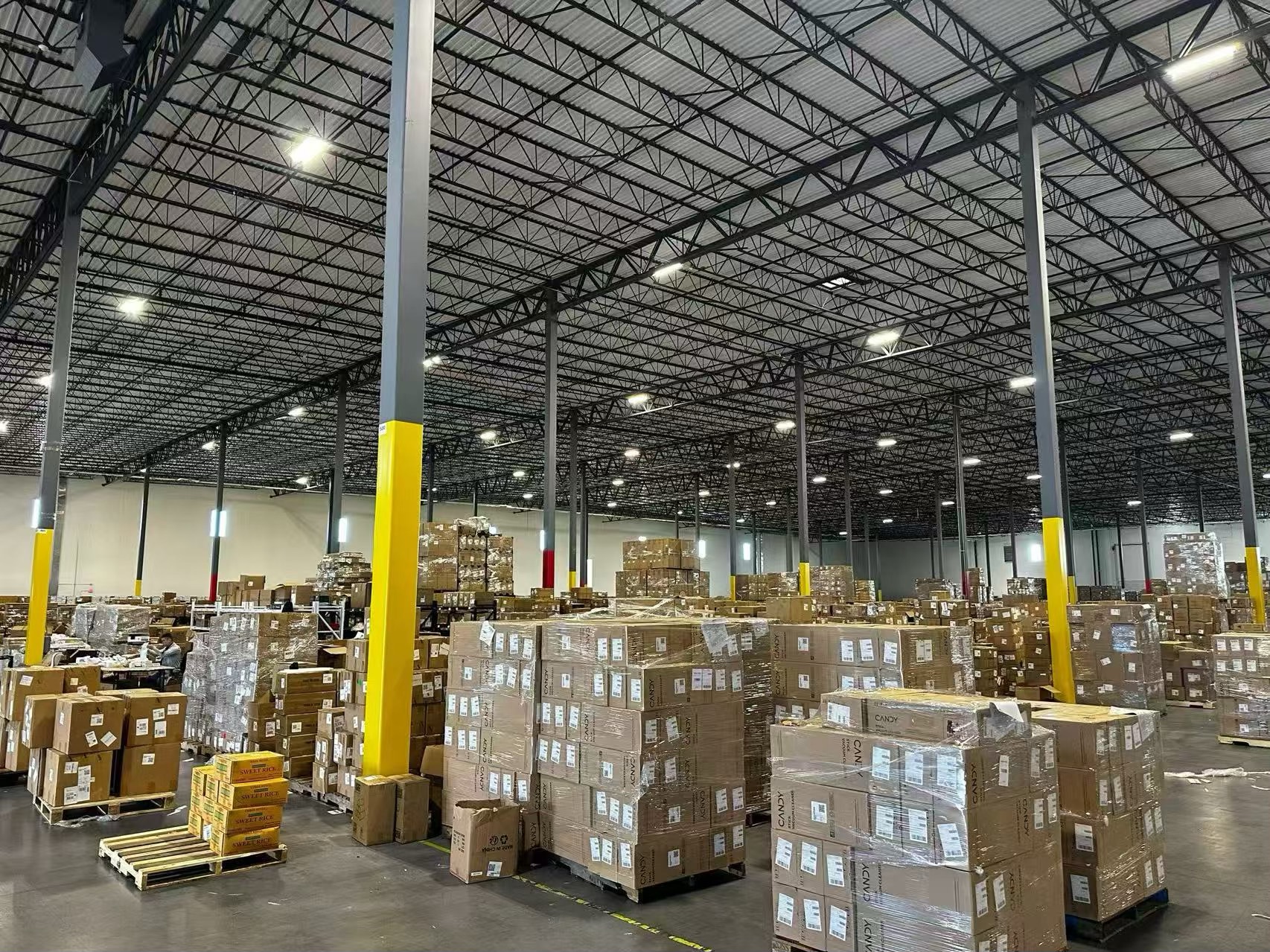
ETD vs ETA: How One Day at Origin Becomes a Week at Destination
A breakdown of how ETD shifts on Asia–US lanes ripple into customs clearance, port congestion, and FBA/3PL receiving calendars.
Read Full Analysis →
Using ETD Data to Prevent Stockouts Across Amazon & Shopify Channels
How DTC brands connect ETD changes to inventory alerts, ad throttling, and multi-warehouse routing to protect revenue.
View Playbook →
Asia–US Transit Variability 2025: ETD Reliability Benchmarks
WinsBS Research benchmarks ocean and air ETD stability across key routes and what it means for your lead-time assumptions.
View Benchmarks →Content Attribution & License
General definitions and public references are shared under the CC BY-SA 4.0 License .
Analytical insights and commentary labeled “WinsBS Research” are © WinsBS Research (2025) and licensed exclusively to WinsBS Wiki.
Data sources include IMO and IATA guidance on schedule reliability and transit operations, CBP and EU customs documentation on filing windows, major carrier and forwarder sailing schedules, and WinsBS Research datasets on e-commerce import transit times.
* Information verified as of December 2025. WinsBS Research assumes no liability for regulatory, carrier, or schedule changes after publication.