
Cut-off Time — Definition, Carrier Deadlines & 2025 E-commerce Ship-By Windows Updated Dec 2025
Source: International Maritime Organization (IMO), International Air Transport Association (IATA), U.S. Customs & Border Protection (CBP), major integrators (DHL, UPS, FedEx), Amazon Seller Central, and WinsBS Research (2025).
What Is Cut-off Time in Logistics?
View Industry Definition
Cut-off Time is the latest acceptable time at which a carrier, terminal, or warehouse will accept cargo, documentation, or orders for inclusion in a specific vessel, flight, truck departure, or same-day shipping window.
In practice, logistics cut-offs fall into two major groups:
- International transport cut-offs — deadlines for containers, pallets, and documents to reach the ocean terminal, CFS, or air cargo terminal before ETD.
- Warehouse & e-commerce shipping cut-offs — “order by X:00” times for same-day pick/pack and parcel handover to carriers.
For cross-border e-commerce brands, cut-off time links factory production, freight forwarder bookings, 3PL facility operations, and marketplace delivery promises into a single, hard operational boundary.
— WinsBS Research, International Transit Variability & Stockout Risk Study 2025
Main Types of Cut-off Time in Ocean, Air & E-commerce
| Type | Applies To | What Must Be Ready | Typical Window Before ETD / Dispatch |
|---|---|---|---|
| CY Closing / Container Cut-off | Ocean FCL | Full container gated into terminal (VGM, seals, labels). | 6–24 hours before vessel ETD. |
| CFS Cut-off | Ocean LCL | Loose cargo delivered to CFS, packed to consolidation plan. | 1–3 days before ETD depending on lane and consolidator. |
| Documentation Cut-off | Ocean & Air | SI, VGM, AMS, ISF 10+2, CI/PL data. | 24–72 hours before ETD; late submission can cause rollovers. |
| Air Cargo Acceptance Cut-off | Air Freight | ULD-ready or loose cargo tendered at airline terminal. | 4–8 hours before scheduled flight departure. |
| Express Pick-up Cut-off | Express Courier | Parcels packed, labeled, and ready at warehouse dock. | 1–3 hours before driver pick-up time. |
| Warehouse Shipping Cut-off | DTC, FBA/FBM, B2B | Orders released to WMS and fully picked/packed. | Same-day ship cut-off often 12:00–15:00 local time. |
In planning models, operations teams typically work backwards from the required ETA and customer delivery date, then derive associated ETD and cut-off windows for factories, FBA prep hubs, and 3PL warehouses.
Regional Variations & Cut-off Time Patterns (2025)
View Trade Lane Cut-off Characteristics
| Trade Lane / Scenario | Key Systems & Stakeholders | Cut-off Time Considerations |
|---|---|---|
| Asia → United States (Ocean FCL/LCL) | Carriers, terminals, truckers, CBP |
|
| Asia → EU Gateways (Rotterdam, Hamburg, Antwerp) | EU ports, consolidators, customs |
|
| U.S. Domestic Linehaul & Amazon FBA / FBM Inbound | Linehaul carriers, Amazon FCs, FBA prep hubs |
|
| Global Air Freight (Airport–Airport) | IATA airlines, GHAs, security screening |
|
| DTC / Marketplace Same-day & Next-day Shipping | 3PL warehouses, parcel carriers, marketplaces |
|
Expert Insight — Why Cut-off Time Is the “Real” Operational Deadline
View Analyst Commentary
Maxwell Anderson, Editor-in-Chief & Data Director, WinsBS Research:
1. ETD and ETA look soft; cut-off is hard.
Carriers may update ETD and ETA multiple times during a voyage. Cut-off time is different — once the CY gate, air terminal, or warehouse closes that cycle, your cargo or orders are simply not included. Treat cut-off as the non-negotiable line in the sand in every plan.
2. Most delays are born upstream of cut-off.
When e-commerce teams complain about late deliveries, they usually blame docks, ports, or last mile. Our casework shows that a significant share of “late” shipments actually missed the intended cut-off because factories ran overtime, documents were incomplete, or the 3PL did not release orders to the floor in time.
3. You need different cut-offs for factory, forwarder, and warehouse.
High-performing brands define at least three levels:Using one generic “ship date” in ERP or PO systems hides risk and leads to last-minute firefighting.
- Factory cut-off — when finished goods must be ready for pick-up.
- Forwarder/carrier cut-off — CY/CFS/airline deadlines before ETD.
- Warehouse shipping cut-off — when orders must be released for same-day ship.
4. Cut-off controls your ability to offer fast delivery.
Same-day and next-day delivery promises on Shopify, Amazon, and TikTok Shops are only realistic if your multi-warehouse network has well-defined, consistent cut-off times aligned with carrier pick-ups. Without them, you end up paying for premium labels while still missing SLA targets.
5. Automating around cut-off time protects margins.
WinsBS sees the best results where OMS and WMS logic are built around cut-offs — routing orders to the closest open node, throttling campaigns when factory or port cut-offs are at risk, and pre-allocating carrier capacity on heavy days. In volatile periods, cut-off-driven rules outperform static lead-time tables by a wide margin.
— WinsBS Research, Global Fulfillment SLA & Cut-off Time Benchmark 2025
Risk Radar — Cut-off Time Related Risks (2025)
View Critical Risk Scenarios
- Missing CY Closing Cut-off and Rolling to Next Vessel
- Late Documentation Cut-off Causing Customs or Manifest Issues
- Air Cargo Arriving After Acceptance Cut-off and Losing Flight
- Warehouse Shipping Cut-off Missed, Breaking Same-day SLA
- Cut-off vs Inbound Appointment Mismatch at FBA / 3PL
- Carrier Capacity Shortage Around Cut-off Leading to Backlogs
- Promotion Stockout Due to Missed Cut-offs on Launch Containers
- Shipping Template Not Reflecting Real Cut-offs, Causing Late Delivery
- Section 321 / De Minimis Parcels Missing Export or Linehaul Cut-offs
- Cut-off Data Not Synced to OMS/WMS and Marketplace Settings
Cut-off Time FAQ — Common Questions from Importers & E-commerce Brands
Is cut-off time the same as ETD?
No. Cut-off time is when cargo or documentation must be received by the terminal, forwarder, or warehouse. ETD is the scheduled departure time of the vessel, flight, or truck. Cut-off typically happens several hours or days before ETD to allow handling, security checks, and consolidation.
Why do different carriers have different cut-off times?
Cut-off rules depend on carrier operations, port or airport congestion, security procedures, and lane demand. One terminal may accept containers until late evening, while another requires containers by midday. Shippers should always confirm cut-off times per lane, per service level, and per season instead of assuming a fixed pattern.
How does warehouse shipping cut-off affect my same-day or next-day promise?
Warehouse shipping cut-off is the backbone of your “order by X:00, ships today” promise. If orders arrive after cut-off, they roll to the next processing wave, pushing delivery dates forward. Brands often set earlier front-end cut-offs than the physical carrier pick-up time to leave buffer for picking, packing, and exceptions.
What happens if I miss the cut-off time for my ocean shipment?
If containers or documents miss CY/CFS cut-off, the shipment will usually roll to the next available vessel. This can add 7–14 days to ETA on popular lanes and may impact Last Free Day planning, demurrage exposure, and promotional timelines.
How should we build cut-off time into our inventory and promotion planning?
Treat cut-off time as a key planning constraint. Many brands adopt rules like “factory finish date ≥ 24 hours before forwarder cut-off” and “campaign launch date ≥ 7 days after earliest receiving ETA,” then build internal cut-offs for purchase orders, ad campaigns, and product launches. Aligning these internal dates with carrier and warehouse cut-offs reduces last-minute air upgrades and rush fees.
Connect Cut-off Time Planning with Factories, Carriers & U.S. Fulfillment Nodes
For cross-border e-commerce, cut-off time is where production promises meet logistics reality. A container that misses CY closing, an air pallet that arrives after acceptance cut-off, or a DTC order that hits the WMS after shipping cut-off will all translate into delayed ETAs and broken customer expectations.
WinsBS helps brands turn scattered carrier and warehouse cut-offs into a coherent fulfillment strategy by:
- Mapping factory, forwarder, and warehouse cut-offs for your main lanes and integrating them into OMS and WMS order-release logic.
- Coordinating CY/CFS, air terminal, and express pick-up cut-offs with inland trucking and customs filing so cargo is truly “on time” at departure.
- Aligning warehouse shipping cut-offs with marketplace templates for FBA replenishment, FBM/SFP, and DTC shipping options.
- Feeding cut-off status and risk flags into your promotion calendar and ads budget so campaigns are not launched on inventory that cannot physically make the deadline.
- Recommending tactical air or express overrides when critical SKUs risk missing promotional or seasonal cut-offs.
When factories, forwarders, and warehouses all operate on different, unsynchronized cut-off assumptions, brands end up paying for express labels, rush fees, and overtime while still missing delivery promises. WinsBS brings cut-off time management, ETA tracking, and U.S. warehouse execution into one workflow built for reliable e-commerce SLAs.
WinsBS Blog Insights
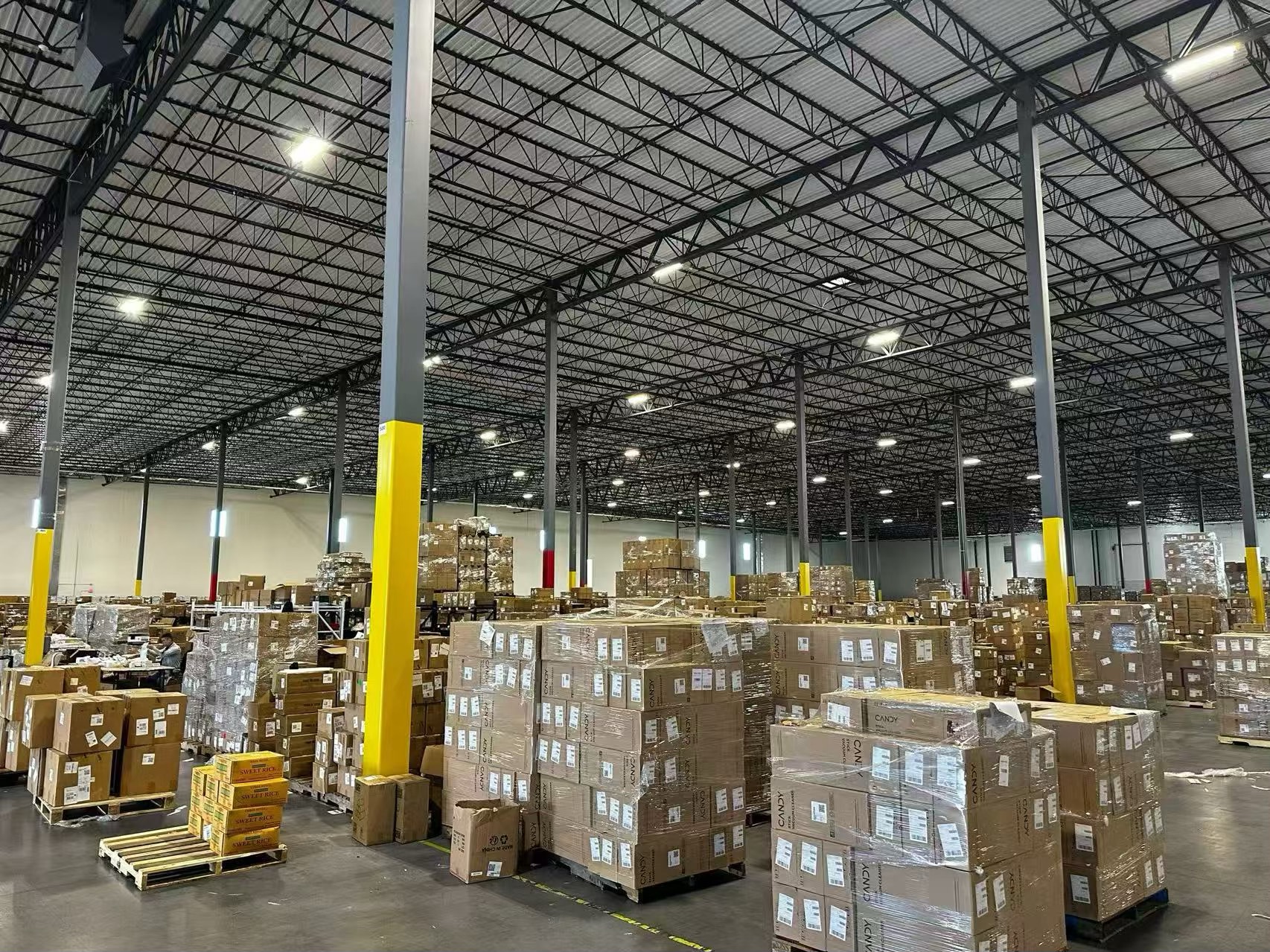
Designing Cut-off Time Rules for DTC & Marketplace SLAs
How leading brands define and automate shipping cut-offs across 3PL warehouses and parcel carriers to protect same-day and next-day delivery promises.
Read Full Guide →
CY Closing, CFS Cut-off & Documentation Deadlines Explained
A practical breakdown of how container, CFS, and filing cut-offs interact on Asia–US and Asia–EU lanes — and how to avoid rollover.
View Analysis →
Using Cut-off Time to Architect Multi-warehouse Networks
WinsBS Research benchmarks how brands redesign node locations, carrier selections, and pick-up schedules around realistic cut-offs instead of idealized transit times.
View Benchmarks →Content Attribution & License
General definitions and public references are shared under the CC BY-SA 4.0 License .
Analytical insights and commentary labeled “WinsBS Research” are © WinsBS Research (2025) and licensed exclusively to WinsBS Wiki.
Data sources include IMO and IATA guidance on cut-off and acceptance times, CBP and EU customs documentation on manifest and security filing deadlines, major carrier service guides for cut-off rules, and WinsBS Research datasets on e-commerce SLA performance and missed ship-by windows.
* Information verified as of December 2025. WinsBS Research assumes no liability for regulatory, carrier, or schedule changes after publication.