
Delivery Order (DO) Explained (2025) — Cargo Release, Port Pickup & Container Control Updated Dec 2025
Source: U.S. Customs & Border Protection (CBP), Federal Maritime Commission (FMC), major ocean carriers and NVOCCs, North America and EU port procedures, and WinsBS Research (2025).
What Is a Delivery Order (DO) in Shipping?
View Industry Definition & Context
A Delivery Order (DO) is the cargo release document (or electronic instruction) issued by an ocean carrier, NVOCC, or freight forwarder that authorizes the terminal, CFS, or depot to deliver goods or containers to the named consignee or its trucker。
In modern operations, the DO may be a PDF, an EDI/API message, or a terminal system update rather than a paper slip。 Regardless of format, no valid DO usually means no pickup — even if the cargo has already arrived and cleared customs。
- For FCL: the DO authorizes release of one or more full containers from the port or inland ramp。
- For LCL / CFS: the DO authorizes release of less-than-container-load cargo from a CFS or warehouse。
Operationally, DO sits between arrival notice and physical pickup。 Charges like freight, documentation, and DO fee are often settled before DO is issued。
— WinsBS Research, US Import Release Workflow Benchmark 2025
DO vs Arrival Notice, B/L & Release Documents
| Document | Main Purpose | How It Relates to DO |
|---|---|---|
| Arrival Notice (AN) | Notice that cargo is arriving or has arrived, showing charges due and basic shipment details。 | AN is an information notice and preliminary bill。It does not authorize cargo pickup。 DO is usually issued after AN charges are paid。 |
| Bill of Lading (B/L) | Contract of carriage and, for negotiable B/Ls, a title document for the goods。 | For negotiable B/Ls, DO is typically issued only after original B/L is surrendered or telex release is confirmed。 |
| Telex Release / Surrender | Confirmation that the shipper has surrendered original B/L at origin, allowing release at destination without paper originals。 | Once telex release is registered, the carrier’s local office can issue DO based on electronic release status。 |
| Customs Release | Clearance by CBP or other customs authorities after ISF, manifests, and entries are filed。 | DO issuance may require customs release。Even with DO in hand, terminals may block gate-out for customs holds。 |
| Delivery Order (DO) | Final release instruction from carrier/NVOCC/forwarder to the terminal or depot to deliver cargo or containers。 | DO is the operational “go” for truckers and warehouses — it closes the gap between paperwork and physical pickup。 |
For e-commerce importers, the DO is where documentation, customs, and port operations converge。 A delayed DO can push containers beyond Last Free Day (LFD), triggering demurrage and detention costs even when cargo has technically “arrived”。
How a Typical DO Workflow Looks (FCL Import)
| Step | Key Action | DO-Related Notes |
|---|---|---|
| 1. Vessel Arrival & Discharge | Container is discharged from the vessel and becomes available in the terminal system。 | Triggers ETA actuals, free time start, and terminal availability。 |
| 2. Arrival Notice Issued | Carrier or NVOCC sends an arrival notice to the consignee or forwarder with charges and basic details。 | Shows where to pay freight, documentation, and DO fee; does not itself allow pickup。 |
| 3. Freight & Local Charges Paid | Consignee or forwarder settles ocean freight balance, documentation, and DO-related fees。 | Many carriers require all local charges to be fully paid before DO is released。 |
| 4. Customs Clearance | Customs broker files entry, duties, and taxes; CBP and partner agencies clear the cargo。 | Some carriers issue DO only after customs release; others allow DO but terminals still hold cargo until customs is clear。 |
| 5. DO Issued | Carrier, NVOCC, or forwarder issues DO (paper, PDF, or electronic release) with pickup details。 | DO shows container numbers, terminal/CY, depot, and validity window for pickup。 |
| 6. Trucking & Gate-Out | Trucker books terminal appointment, presents DO or uses DO reference to gate out the container(s)。 | Without a valid DO and matching release status, gate systems typically block moves。 |
For high-volume e-commerce flows, DO processing should be mirrored into OMS and WMS tasks, not just left in inboxes and PDF folders。
Regional Patterns & DO Practices (2025)
View Trade Lane DO Characteristics
| Region / Scenario | Key Actors | DO Considerations |
|---|---|---|
| Asia → US Ports (FCL) | Carriers, NVOCCs, terminals, customs brokers |
|
| Asia → US Inland Ramps (Rail) | Rail ramps, inland depots, IPI carriers |
|
| Asia → EU Hubs (FCL & LCL) | EU customs brokers, forwarders, CFS operators |
|
| Port → FBA / 3PL Warehouse | 3PLs, Amazon FCs, drayage carriers |
|
| LCL / CFS-Based Shipments | CFS depots, forwarders, consolidators |
|
Expert Insight — Why DO Timing Decides Whether Your Shipment Really “Arrived”
View Analyst Commentary
Maxwell Anderson, Editor-in-Chief & Data Director, WinsBS Research:
1. Arrival without DO is just cargo parked at the port。
We routinely see teams celebrate vessel arrival and “available” status while the Delivery Order is still pending with the carrier or forwarder。 In free time models that use calendar days, every day spent waiting for DO quietly eats margin。
2. DO bottlenecks are usually process problems, not customs drama。
In our data, many “DO delays” trace back to missing remittance proofs, unclear payer instructions, or simple email routing failures。 Customs holds get blamed, but in reality the cargo could have been released earlier if DO workflows were automated。
3. FCL, LCL, and inland ramps all speak slightly different DO dialects。
Successful importers document who issues DO for each lane — carrier, NVOCC, inland agent, or CFS — and track DO status as a KPI alongside ETA and LFD。 When DO is just a PDF attachment, nobody owns the risk。
4. E-commerce sellers should treat DO as a system status, not a file。
In modern stacks, DO should be represented as a “release flag” in OMS/WMS, feeding drayage and warehouse scheduling。 The moment DO is issued, truck capacity and appointment slots should update automatically — not after someone forwards an email。
5. The cheapest freight quote loses its advantage when DO and release are slow。
WinsBS benchmarks indicate that slightly higher ocean rates with predictable DO and release workflows often result in lower total landed cost than discount rates that cause last-minute scrambles and demurrage/detention surprises。 Reliability around DO is a core part of cost modeling, not an afterthought。
— WinsBS Research, Delivery Order & Release Workflow Benchmark for E-commerce Imports 2025
Risk Radar — DO-Related Risks (2025)
View Critical Risk Scenarios
- Late DO Issuance Causing Missed LFD
- Freight & DO Fee Paid to Wrong Party
- DO Data Not Matching Bill of Lading
- DO Issued Before Customs Release (Gate Block)
- DO Stuck in Email Threads, Not OMS/WMS
- LCL DO Delays Triggering CFS Storage Fees
- DO Given to Wrong Trucker or Depot
- DO Validity Window Expired Before Pickup
- Confusion Over DO Control at Inland Ramps
- DO-Driven Charges Not Reflected in Landed Cost
Delivery Order (DO) FAQ — Common Questions from Importers & E-commerce Brands
Who issues the Delivery Order (DO)?
DO is usually issued by the ocean carrier, NVOCC, or freight forwarder that controls the shipment at destination。 In some IPI or LCL setups, an inland agent or CFS operator may handle DO-like release instructions on behalf of the main carrier。
Is the Delivery Order the same as the arrival notice?
No。Arrival notice is a notice of arrival and charges。 Delivery Order is the actual release authorization to the terminal or CFS。 You typically receive the arrival notice first, then DO after paying the required charges and completing release steps。
Can I pick up my container without a DO?
In most cases, no。Terminals require a valid DO or equivalent electronic release status before allowing a trucker to gate out a full container or release LCL cargo。 Even if customs is clear, a missing DO will usually block pickup and risk demurrage or storage fees。
Why is my DO delayed?
Common causes include unpaid freight or local charges, confusion over who is paying what, pending customs release, incomplete surrender of the original B/L, or documentation mismatches between B/L and arrival notice。 In some cases, DO is issued on time but “lost” in email chains, which functionally creates a delay for operations。
Is DO always a paper document?
No。Many carriers and terminals have moved to electronic DO via EDI/API connections or web portals。 Truckers rely on reference numbers and release status in terminal systems, while importers still receive PDFs or email confirmations as evidence that DO has been issued。
Does DO affect my demurrage and detention?
Indirectly, yes。If DO is issued late or not routed to the right team, containers may sit in the terminal beyond LFD, triggering demurrage。 Delayed pickup or slow unloading can then push empty return beyond equipment LFD, triggering detention fees。
Turn Delivery Orders from Bottlenecks into a Controlled Release Workflow
For cross-border e-commerce, a Delivery Order is often the invisible reason why “arrived” cargo still isn’t moving into your 3PL or FBA pipeline。 A DO that lands late, goes to the wrong inbox, or doesn’t match terminal records can quietly trigger port storage, extra trucking, and overtime in your warehouse。
WinsBS helps brands turn DO from a manual document into a measurable, automated release step by:
- Mapping who issues DO on each lane (carrier, NVOCC, inland agent, CFS) and standardizing instructions into OMS and WMS tasks rather than loose emails。
- Aligning DO issuance with customs clearance, free time, and LFD so port pulls and ramp moves are scheduled before storage fees even have a chance to start。
- Coordinating drayage partners, appointment calendars, and depot cutoffs so that DO timing does not collide with FBA or 3PL receiving constraints。
- Feeding DO-related delays and extra fees into your landed cost models, so high-risk lanes, partners, and terminals become visible and adjustable。
- Designing DO-aware routing where you choose not only by base freight rate but also by release reliability and historical DO performance across carriers and trade lanes。
When DO is treated as a one-off document, brands keep paying “mysterious” port and depot charges。 WinsBS turns DO, customs release, LFD, demurrage, and detention into one integrated release workflow tied directly to your e-commerce SLAs and campaign calendar。
WinsBS Blog Insights
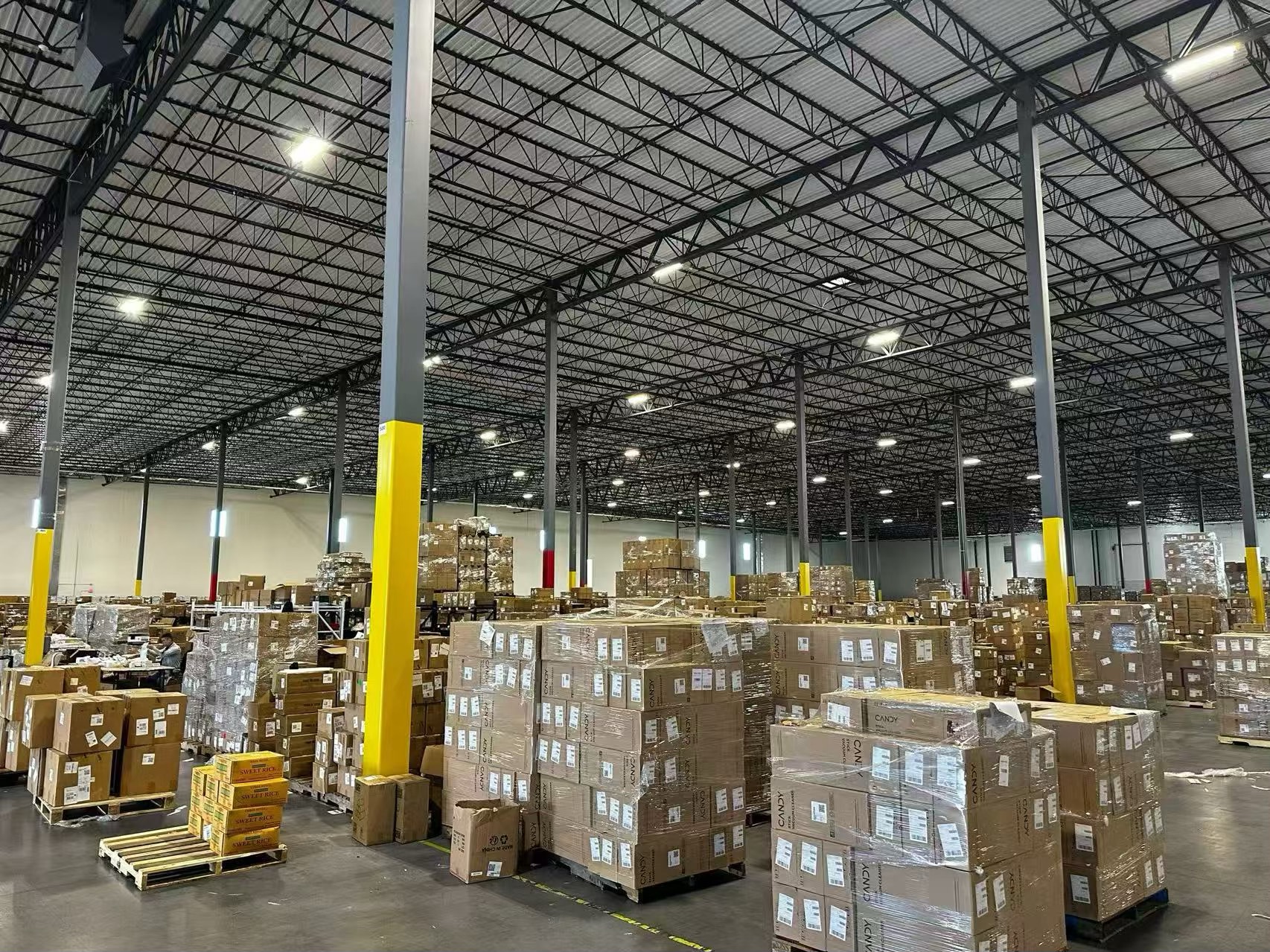
DO 101: Delivery Orders, Release Rules & Who Really Controls Pickup
Practical explanation of how carriers, NVOCCs, and terminals handle DO issuance, with real-world timelines from vessel arrival to truck gate-out on e-commerce lanes。
Read Full Guide →
How DO Delays Quietly Trigger Demurrage & Detention
WinsBS Research case studies where DO timing — not customs — drove 3–6 extra days of port storage and per diem fees, plus playbooks to eliminate the pattern。
View Analysis →
Designing DO-Aware Flows for FBA, FBM & 3PL Networks
How to connect ETA, customs release, DO status, and inbound appointments so your import and fulfillment teams see the same picture and avoid last-minute port firefighting。
View Benchmarks →Content Attribution & License
General definitions and public references are shared under the CC BY-SA 4.0 License。
Analytical insights and commentary labeled “WinsBS Research” are © WinsBS Research (2025) and licensed exclusively to WinsBS Wiki。
Data sources include CBP and DHS guidance on import procedures, FMC references on demurrage and detention practices, major carrier and terminal tariffs, and WinsBS Research datasets on DO timing, free time, and landed cost performance。
* Information verified as of December 2025。WinsBS Research assumes no liability for regulatory, tariff, or operational changes after publication。