
Estimated Time of Arrival (ETA) — Definition, Port Clearance & 2025 E-commerce Delivery Promises Updated Dec 2025
Source: International Maritime Organization (IMO), International Air Transport Association (IATA), U.S. Customs & Border Protection (CBP), EU Customs & ICS2 guidance, major carriers and integrators, and WinsBS Research (2025).
What Is Estimated Time of Arrival (ETA)?
View Industry Definition
Estimated Time of Arrival (ETA) is the planned date and time when a vessel, aircraft, truck, train, or courier shipment is expected to arrive at its next major destination — such as an ocean port, airport, cross-dock terminal, bonded warehouse, or final-mile fulfillment center.
For cross-border e-commerce, ETA is the reference timestamp that brands, freight forwarders, and 3PL providers use to plan customs clearance, port/airport handling, drayage, warehouse receiving, and promised delivery dates shown to customers.
ETA sits in the same family of transit timestamps as:
- ETD — Estimated Time of Departure (planned leaving time at origin).
- ETA — Estimated Time of Arrival (planned arrival time at destination).
- ATD — Actual Time of Departure (when the vessel or flight actually departs).
- ATA — Actual Time of Arrival (when the vessel or flight actually arrives).
In planning models, freight teams often calculate ETA = ETD + transit time and then adjust as real-time updates come in from carriers or port/airport systems. For Amazon FBA, FBM/SFP, and DTC brands using U.S. 3PL warehouses, ETA is the point at which inbound stock is expected to become available for putaway, pick/pack, and customer shipping.
— WinsBS Research, Global E-commerce Delivery Reliability Report 2025
ETA vs ETD vs ATA — What’s the Difference?
| Term | Full Name | What It Describes | Common Use Case |
|---|---|---|---|
| ETD | Estimated Time of Departure | Planned date/time when cargo leaves the origin port, airport, or hub. | Factory readiness, cut-off planning, transit-time calculations. |
| ETA | Estimated Time of Arrival | Planned date/time when cargo arrives at destination port, airport, hub, or warehouse. | Customs clearance timing, drayage scheduling, FBA/3PL receiving, delivery promise windows. |
| ATA | Actual Time of Arrival | Confirmed date/time when the vessel, flight, or truck actually arrives. | Demurrage/detention tracking, SLA reporting, carrier performance KPIs. |
For importers, the operational reality is that ETA is a moving prediction, not a guarantee. Every change in ETD, transit conditions, port congestion, or customs status can ripple into a new ETA, which should be reflected in both internal systems and customer-facing delivery estimates.
Regional Variations & ETA Reliability (2025)
View Trade Lane ETA Characteristics
| Trade Lane / Mode | Key Systems & Authorities | ETA Considerations for E-commerce Importers |
|---|---|---|
| Asia → United States (Ocean FCL/LCL) | CBP, ports, terminal operators, drayage carriers |
|
| Asia → European Union (Ocean) | EU customs, ICS2, port community systems |
|
| U.S. Inland Rail & FBA / 3PL Destinations | Railroads, transload hubs, Amazon & 3PL facilities |
|
| Global Air Freight (Airport–Airport) | IATA, airport ground handlers, customs |
|
| Express Courier (Door–Door) | DHL Express, UPS, FedEx, national customs |
|
Expert Insight — Why ETA Is the “Customer Promise Timestamp”
View Analyst Commentary
Maxwell Anderson, Editor-in-Chief & Data Director, WinsBS Research:
1. ETA is the only timestamp customers actually care about.
Your operations team may track ETD, gate-in times, and customs milestones, but shoppers only remember “you promised delivery by Friday and it came on Monday.” In our 2025 survey of U.S. DTC shoppers, 78% of negative reviews cite missed ETA expectations, not damaged goods or price issues.
2. Port ETA ≠ warehouse receiving ETA.
Many brands mistakenly plug “vessel ETA at LA/LB” directly into their inventory and ads planning. In reality, there is a chain of events — discharge, customs, delivery order, drayage, cross-dock, and putaway. Each step can add 12–72 hours on congested weeks. Mature importers maintain separate ETA fields for port, warehouse, and shelf-ready availability.
3. ETA drift should trigger automatic playbooks.
When ETA slips by 2–3 days, most brands simply “watch and wait.” High-performing teams run predefined actions: extend delivery promises on the website, slow high-ACOS ads, prioritize air replenishment of top SKUs, or re-route orders to alternate nodes in a multi-warehouse network.
4. ETA precision matters more for promotions than for everyday sales.
Regular replenishments can ride a ±2 day ETA band with little damage. But for Black Friday, crowdfunding launches, and new product drops, a missed ETA can erase weeks of planning. WinsBS casework shows that one late inbound container during Q4 can wipe out 10–20% of a launch campaign’s expected margin if ETA was treated as “fixed.”
5. The most advanced brands track ETA at SKU level, not just shipment level.
Mixed containers and multi-stop routings mean some SKUs become available sooner than others. Instead of waiting for the entire shipment to clear, best-in-class systems mark partial putaway as “available-to-promise,” updating store ETAs in real time. This converts a potential stockout into a “ships in 3 days” message instead of “out of stock.”
— WinsBS Research, International Transit Variability & Stockout Risk Study 2025
Risk Radar — ETA-Related Risks (2025)
View Critical Risk Scenarios
- Port Congestion or Weather Pushing ETA Beyond Free Time
- Customs Exam or Document Discrepancy Delaying Cargo Release
- Drayage Capacity Shortage Turning On-time ETA into Demurrage
- ETA & Inbound Appointment Mismatch Causing FBA / 3PL Rejection
- Last-mile Carrier Delays Missing Marketplace Delivery Promises
- ETA Not Updated in OMS / WMS Leading to Wrong Delivery Estimates
- ETA Drift Causing Out-of-Stock During Major Promotions
- Slow Return ETA Blocking Refunds and Raising Chargeback Risk
- Multi-leg Transit Confusion: Misreading Feeder ETA as Final ETA
- ETA–Delivery Gap Driving Negative Reviews and Lower Repeat Rate
ETA FAQ — Common Questions from Importers & E-commerce Brands
Is ETA the same as the delivery date shown to customers?
Not always. ETA usually refers to arrival at a port, airport, hub, or warehouse — not the final customer doorstep. Retailers and marketplaces convert logistics ETA into customer delivery dates by adding handling time, last-mile transit, and buffers for weekends or holidays. If your internal ETA shifts but the front-end promise does not, expectation gaps appear.
Why does my ETA keep changing even after the vessel departs?
ETA can change due to weather, port congestion, vessel speed adjustments, port rotation changes, or inbound customs and inspection processes. For ocean freight, even a one-day delay in berthing can cascade into drayage and warehouse appointment delays. Brands should subscribe to carrier/forwarder ETA update feeds and connect them to their OMS/WMS rather than relying on the original booking estimate.
How does ETA impact my Amazon FBA or 3PL inbound planning?
For Amazon FBA and U.S. 3PL warehouses, ETA determines when containers or pallets are expected to be available for inbound appointments and receiving. If ETA slips into a period with limited dock capacity or appointment availability, inventory can arrive at the yard but still wait days to be unloaded, which affects restock windows and Buy Box time.
Is air freight ETA more reliable than ocean freight ETA?
Generally, air freight ETA to airports is more predictable because flights follow fixed schedules and are less affected by port congestion. However, air cargo can still face delays from security checks, weather, or missed connections at transit hubs. The key is to distinguish between flight ETA (aircraft landing) and cargo availability ETA at the terminal after handling and customs.
How should I use ETA in my inventory, ads, and promotion planning?
Treat ETA as the anchor for your available-to-promise date, not just a passive tracking field. Many brands run rules such as: “If ETA for a critical SKU slips by >48 hours, automatically extend delivery estimates, slow high-ACOS ads, and consider allocating safety stock from another node.” Tying ETA changes to planning actions helps protect margins and customer satisfaction during volatile periods.
Connect ETA Management with Customs, Drayage & U.S. Fulfillment Nodes
For cross-border e-commerce brands, ETA is where international freight meets customer experience. A container that arrives on time but sits un-cleared, un-trucked, or un-received might as well still be at origin. Misaligned ETA data is one of the most common root causes behind stockouts, negative delivery reviews, and wasted ad spend.
WinsBS helps translate raw ETA timestamps into reliable fulfillment outcomes by:
- Tracking ETA across port, rail ramp, cross-dock, and final warehouse so you know when inventory is actually ready to ship, not just when it lands.
- Coordinating customs clearance and terminal handling to reduce dwell time between vessel or flight ATA and truck gate-out.
- Managing drayage and inbound appointments into FBA prep hubs, FBM/SFP locations, or multi-node 3PL networks aligned to realistic ETA windows.
- Feeding ETA updates into your inventory and ads planning so promotion calendars, restock dates, and delivery promises stay accurate as conditions change.
- Recommending tactical air or express upgrades when ETA shifts threaten major campaign launches or subscription renewals.
When ETA, customs status, trucking capacity, and warehouse schedules live in separate systems, brands pay for fast transit but still lose days to avoidable delays. WinsBS unifies ETA monitoring, import routing, and U.S. warehouse execution into a workflow designed for predictable delivery promises.
WinsBS Blog Insights
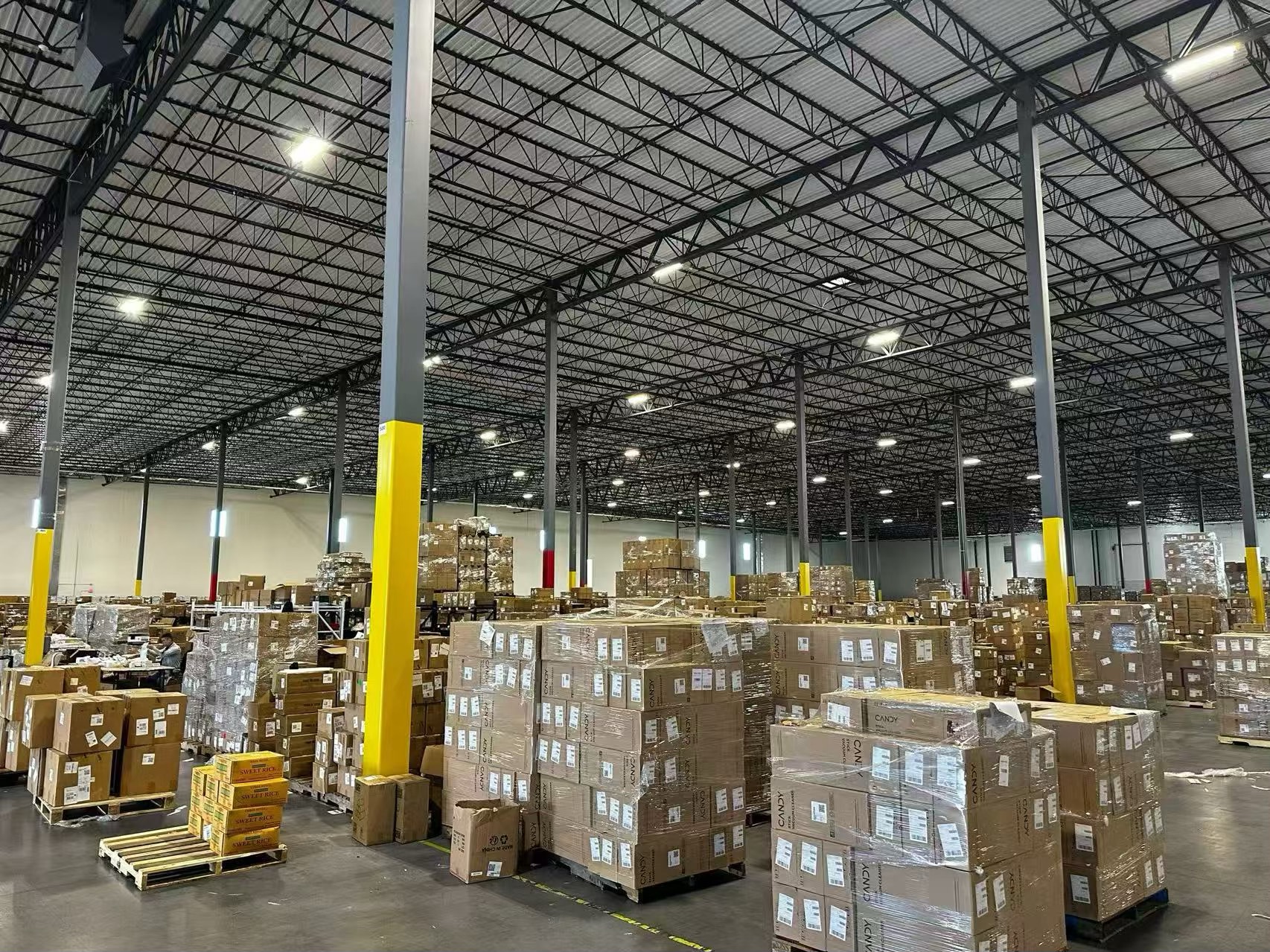
Turning ETA Data into Accurate Delivery Promises
How leading brands connect upstream ETA changes to website delivery estimates, marketplace handling times, and customer notifications.
Read Full Guide →
Port ETA vs Warehouse Availability: Where Your Week Really Disappears
A breakdown of how port congestion, customs exams, and drayage capacity turn “on-time ETA” into late inventory and stockouts.
View Analysis →
Using ETA to Drive Multi-Warehouse Routing & Safety Stock Buffers
WinsBS Research benchmarks multi-node fulfillment strategies that absorb ETA variability without overspending on inventory.
View Benchmarks →Content Attribution & License
General definitions and public references are shared under the CC BY-SA 4.0 License .
Analytical insights and commentary labeled “WinsBS Research” are © WinsBS Research (2025) and licensed exclusively to WinsBS Wiki.
Data sources include IMO and IATA guidance on schedule reliability and transit operations, CBP and EU customs documentation on arrival and clearance processes, major carrier ETA methodologies, and WinsBS Research datasets on e-commerce delivery performance.
* Information verified as of December 2025. WinsBS Research assumes no liability for regulatory, carrier, or schedule changes after publication.