
LCL (Less than Container Load) — Definition & 2025 Ocean Freight Scope Updated Dec 2025
Source: International Maritime Organization (IMO), major ocean consolidators and NVOCCs, U.S. Customs and Border Protection (CBP), Federal Maritime Commission (FMC), and WinsBS Research (2025).
What Is LCL (Less than Container Load)?
View Industry Definition
A Less than Container Load (LCL) shipment is an ocean freight movement where cargo from multiple shippers is consolidated into a single container and later deconsolidated at destination. Instead of paying for a full container, each shipper pays only for the space and weight their shipment occupies.
LCL is typically operated on a CFS–CFS (Container Freight Station to Container Freight Station) or CFS–CY (Container Freight Station to Container Yard) basis, where freight forwarders or NVOCCs act as consolidators between origin and destination.
- Cargo is received as cartons or pallets at an origin CFS, where it is stuffed into a shared container.
- At destination, the container is devanned at a CFS and individual shipments are separated for each importer.
- LCL freight is usually rated per CBM (cubic meter) and/or weight, subject to minimum charges and handling fees.
- Commonly used for smaller or irregular shipments feeding 3PL warehouses, FBA, and FBM networks.
Operationally, LCL bookings are arranged through a Freight Forwarder or NVOCC, who combines multiple LCL shipments into an FCL container under a Master Bill of Lading (MBL) and issues individual House Bills of Lading (HBLs) to each shipper.
— WinsBS Research, Ocean Consolidation & E-commerce Cost Study 2025
LCL vs FCL — Key Differences
LCL and FCL are the two primary containerized ocean freight modes. They differ in pricing logic, handling steps, and how risk is shared between shippers:
| Aspect | LCL (Less than Container Load) | FCL (Full Container Load) |
|---|---|---|
| Container Usage | Multiple shippers share one container; each gets a portion of space. | One shipper uses the entire container, even if not fully filled. |
| Pricing Basis | Per CBM/weight with minimum charges and CFS handling fees. | Flat rate per container by size, type, and service level. |
| Handling Steps | More touchpoints: CFS receipt, consolidation, devanning, and local distribution. | Fewer touchpoints: usually direct CY–CY with minimal intermediate handling. |
| Damage / Loss Risk | Higher exposure due to frequent handling and mixed cargo from different shippers. | Lower exposure; a single shipper controls stuffing and internal packaging. |
| Best Use Cases | Smaller, sporadic shipments, product launches, and market testing volumes. | Stable replenishment, larger POs, and regular lanes feeding 3PL or FBA networks. |
| Customs & Clearance | One container may carry many importers; an issue with one HBL can delay the entire group. | Clears as a single importer’s container; delays are usually limited to that importer. |
Many cross-border e-commerce brands start with LCL to avoid committing to a full container. As volumes grow and lanes become predictable, they often transition to FCL to reduce per-unit landed cost and handling risk.
Regional Variations & Regulatory Nuance (2025)
View Regional Differences
| Region / Trade Lane | Key Authorities / Practices | LCL-Specific Considerations |
|---|---|---|
| United States (Imports) | CBP, FMC, CFS operators, bonded warehouses | ISF 10+2 must match HBL data. LCL is sensitive to CFS congestion, where devanning delays can add 2–7 days. Delays on one importer’s entry can hold the entire container. Extra charges include CFS fees, documentation fees, and exam fees (e.g., VACIS, CET). |
| China Export (China → U.S./EU) | MOFCOM, local terminals, major consolidators | Strict cut-off times for cargo receiving at CFS. High-volume export lanes (Shenzhen, Ningbo, Shanghai) operate with weekly or multiple-weekly consolidations. Roll-over risk increases during peak seasons. Accurate carton labeling is crucial for smooth devanning. |
| European Union (Imports) | EU customs, port authorities, VAT/IOSS framework | LCL devanning must comply with EU safety rules and Import Control System (ICS). VAT and IOSS impact parcelization after the CFS stage for last-mile fulfilment. Major LCL hubs include Rotterdam, Antwerp, Hamburg. |
| Asia–U.S. E-commerce Lanes | NVOCC / Freight Forwarder / 3PL hybrid operations | LCL is widely used for early-stage brands routing inventory into U.S. 3PL centers or Amazon FBA. Transit variability is higher than FCL due to devanning, local trucking, and container group delays. Carton-level ASN accuracy is key when feeding FBA networks. |
Expert Insight — LCL for Cross-Border E-commerce Brands
View Analyst Commentary
Maxwell Anderson, Editor-in-Chief & Data Director, WinsBS Research:
“LCL is the entry point for most early-stage Shopify and Amazon sellers. Its flexibility helps minimize cash tied in inventory, but it introduces more operational noise — CFS congestion, carton damage risk, and group delays. The real question is not simply ‘Is LCL cheaper?’ but:
• How consistent are the consolidator’s CFS cut-off windows?
• How fast is devanning and release at destination CFS?
• How predictable is the downstream transfer into FBA, FBM, or 3PL facilities?
Brands typically see a 12–18% landed cost reduction when transitioning from LCL to FCL once their replenishment cadence matures.”
— WinsBS Research, Consolidation Efficiency & E-commerce Inventory Study 2025
Risk Radar — LCL-Related Risks for Importers (2025)
LCL FAQ — Common Questions
How is LCL priced?
LCL is priced per CBM and/or weight, whichever is higher (known as chargeable volume). Additional fees include CFS handling, documentation, origin/destination charges, and potential exam fees.
Is LCL slower than FCL?
Usually yes. LCL adds 3–7 days for consolidation and 2–7 days for devanning and distribution at destination CFS. Transit time on the ocean is the same, but handling at both ends increases total lead time.
What makes LCL risky for fragile goods?
LCL cargo is handled more frequently — received at CFS, consolidated with other shippers' goods, and devanned with mixed cartons. Fragile items or irregular packaging have higher exposure to compression and impact damage.
When should I switch from LCL to FCL?
Most brands switch once they ship 18–22 CBM regularly, or when shipment frequency becomes predictable. FCL reduces per-unit cost, shortens lead time, and lowers damage and delay risk compared with LCL.
How does LCL integrate with FBA and 3PL networks?
After devanning, cartons are trucked to Amazon FBA receiving centers, 3PL hubs, or FBM warehouses. Accuracy at carton-level ASN and labeling is critical to avoid FBA check-in delays.
Connect Your LCL Shipments with U.S. Fulfillment
LCL provides flexibility for early-stage brands — but downstream coordination matters even more. From CFS devanning to FBA appointments or 3PL intake, how you manage that handoff can determine your landed cost and restock timing.
WinsBS supports your LCL freight by:
- Coordinating CFS devanning and carton-level verification.
- Routing inventory directly into FBA, FBM, or multi-node 3PL networks.
- Scheduling delivery appointments to avoid FBA delays or chargebacks.
- Aligning replenishment cycles with your demand forecasting.
If LCL is part of your sourcing and replenishment strategy, WinsBS helps ensure the final mile of inbound logistics runs smoothly.
WinsBS Blog Insights
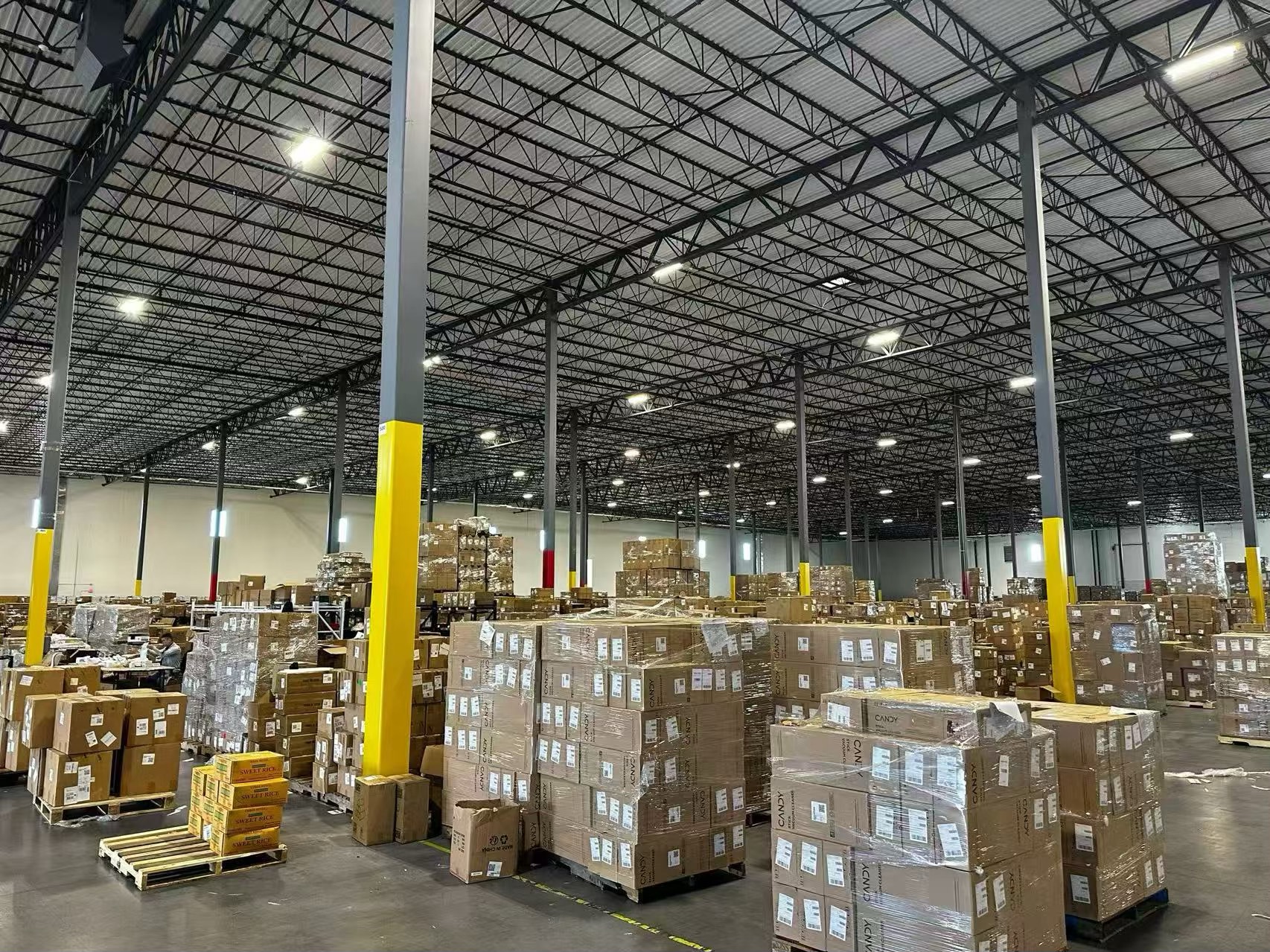
LCL vs FCL: When E-commerce Brands Should Switch
Why 18–22 CBM is the typical tipping point — and how poor CFS processes can distort landed cost.
Read Full Guide →
CFS Delays: The Hidden Cost in LCL Shipments
How devanning speed, exam rates, and group delays shape your true inbound lead time.
Open the Guide →
From LCL to Warehouse: Carton-Level Accuracy for FBA
Why ASN detail, carton labeling, and re-measurement determine your FBA check-in speed.
View Workflow →Content Attribution & License
General definitions and public references are shared under the CC BY-SA 4.0 License.
Analytical insights and commentary labeled “WinsBS Research” are original works © WinsBS Research (2025) and licensed exclusively to WinsBS Wiki.
Data sources include consolidator tariff sheets, CFS tariff guides, CBP cargo examination policies, FMC regulations, and WinsBS Research datasets on LCL consolidation efficiency and e-commerce inbound flows.
* Information verified as of December 2025. WinsBS Research assumes no liability for regulatory or pricing changes after publication.