










Air Freight — Definition & 2025 Cross-Border E-commerce Scope Updated Dec 2025
Source: International Air Transport Association (IATA), International Civil Aviation Organization (ICAO), U.S. Transportation Security Administration (TSA), U.S. Customs and Border Protection (CBP), EU ICS2 guidance, and WinsBS Research (2025).
What Is Air Freight?
View Industry Definition
Air freight (also called air cargo) is an international transport mode where goods move by scheduled airlines, cargo-only aircraft, or integrators between airport cargo terminals. Airlines issue an Air Waybill (AWB) for each shipment, and pricing is based on chargeable weight using either actual or dimensional (DIM) weight.
Air freight is typically an airport-to-airport or door-to-airport / airport-to-door service coordinated by a Freight Forwarder or 3PL provider. In cross-border e-commerce, it is widely used for:
- High-value or time-sensitive inventory feeding U.S. 3PL, FBA, or FBM networks.
- New product launches, crowdfunding rewards, and seasonal peaks where ocean lead times are too long.
- Emergency replenishment to prevent stock-outs on Amazon, Shopify, or marketplace listings.
Air cargo moves through a controlled chain of custody:
- Export handling at origin: cargo receipt, screening, palletization (ULD build-up), and airline acceptance.
- Linehaul flight: one or more legs with potential transfers at hub airports.
- Import handling at destination: breakdown from ULDs, customs clearance, and local delivery to warehouses.
Unlike LCL or FCL ocean freight, air freight costs are driven mainly by chargeable weight (CBM → kg via DIM factor) and lane yield for airlines, not container space. This makes packaging efficiency and SKU mix especially important for e-commerce brands.
— WinsBS Research, Air Freight & E-commerce Inventory Study 2025
Air Freight vs Express Courier (DHL/UPS/FedEx)
Air freight and Express courier both use aircraft but differ in how capacity, pricing, and last-mile delivery are managed:
| Aspect | Air Freight (Forwarder / Airline) | Express Courier (DHL, UPS, FedEx) |
|---|---|---|
| Service Model | Airport-to-airport or door-to-door via forwarder & truckers. | End-to-end parcel network: pickup, air transport, and last mile. |
| Typical Shipment Size | Cartons or pallets (usually 45 kg+ total weight). | Individual parcels or small carton shipments. |
| Pricing Basis | Chargeable weight (kg) using DIM formulas; rate per kg. | Parcel zones and weight brackets; all-in door delivery. |
| Transit Control | More configurable: choose airline, routing, and handling options. | Standardized network, fixed routings, and published transit times. |
| Best Use Cases | Bulk e-commerce inventory, B2B shipments, palletized cargo. | Small urgent orders, samples, and D2C door-to-door parcels. |
| Customs Model | Formal entry with customs broker and Entry Summary. | Carrier-brokered clearance under integrator name or IOR solution. |
Many brands combine both: use air freight for bulk inventory into a U.S. 3PL, then use parcel carriers for last-mile delivery to shoppers.
Regional Variations & Regulatory Nuance (2025)
View Regional Differences
| Region / Trade Lane | Key Authorities / Practices | Air Freight–Specific Considerations |
|---|---|---|
| United States (Imports) | TSA, CBP, airport cargo terminals, bonded facilities | TSA requires Known Shipper status or approved screening. CBP may treat multi-SKU air shipments as formal entries, requiring Commercial Invoice, Packing List, and CBP Form 7501. DIM weight disputes and storage at airline terminals can add hidden costs if cargo is not recovered quickly. |
| China Export (China → U.S./EU) | CAAC, airport cargo terminals, major consolidators | Strict cut-off times at origin cargo terminals (often 12–24 hours before flight ETD). Peak seasons see flight roll-overs and yield management surcharges. For battery or electronics cargo, IATA DGR and airline DG rules require accurate UN number, packing instructions, and shipper's DG declaration. |
| European Union (Imports) | EU customs, ICS2, airport handlers | Import Control System 2 (ICS2) requires advance data on shipments, including HS codes and consignee details for pre-loading risk analysis. Non-compliant data can lead to “Do Not Load” (DNL) instructions, cargo holds, or extra screening. VAT and duty rules apply for bulk inventory feeding EU 3PLs. |
| Asia–U.S. E-commerce Lanes | Forwarder-controlled consolidations, 3PL-linked hubs | Air freight is widely used for campaign launches, Kickstarter/Indiegogo rewards, and emergency FBA restocks. Brands often route freight into U.S. 3PL hubs or FBA via truck. SKU-level ASN accuracy and carton labeling are crucial to avoid receiving delays at Amazon or DTC warehouses. |
Expert Insight — Air Freight for Cross-Border E-commerce Brands
View Analyst Commentary
Maxwell Anderson, Editor-in-Chief & Data Director, WinsBS Research:
“Most brands don’t ‘choose air freight’ in a vacuum — they use it as an inventory shock absorber.
For Shopify and Amazon sellers, the real questions include:
• How often are you facing stock-outs when waiting for ocean?
• What is your true margin after including DIM charges and airport fees?
• Can your 3PL or FBA routing handle frequent mixed-SKU air shipments without receiving chaos?
In our dataset, brands that use air freight as a planned safety valve (e.g., 10–20% of volume) often see higher revenue stability than those relying on ocean alone — despite higher per-unit cost. The key is to align air uplift volume with your demand spikes and marketing calendar, not just react to emergencies.”
— WinsBS Research, Air Freight Utilization & E-commerce Resilience Study 2025
Risk Radar — Air Freight–Related Risks for Importers (2025)
Air Freight FAQ — Common Questions
How is air freight priced?
Air freight is priced on chargeable weight — the higher of actual weight and dimensional (DIM) weight using an airline factor (for example, 1 CBM ≈ 167 kg). Rates are quoted per kg and can include origin, linehaul, and destination handling surcharges.
Is air freight always faster than ocean?
Pure flight time is much faster (often 1–5 days versus 15–35 days by sea), but total lead time also depends on export handling, security screening, customs clearance, and local delivery. Poorly managed airport storage or customs exams can add several days of delay.
When should e-commerce brands use air freight?
Brands typically use air freight for product launches, high-margin SKUs, seasonal peaks, or emergency replenishment when ocean stock is delayed. Once demand stabilizes, many shift bulk volume to ocean and keep air freight as a buffer for spikes.
What documents are required for air freight?
Common documents include a Commercial Invoice, Packing List, Air Waybill (AWB), and any required licenses or DG declarations. For U.S. imports, a customs broker files the entry using HTS codes and importer details.
How does air freight connect to FBA and 3PL networks?
After airline terminal release, cargo is trucked to Amazon FBA receiving centers or U.S. 3PL warehouses. Accurate carton-level ASN data, FNSKU labels, and pallet planning are crucial to avoid FBA check-in delays or 3PL receiving exceptions.
Connect Your Air Freight Shipments with U.S. Fulfillment
Air freight protects your sales during campaigns and peak season — but the handoff from airport to warehouse is where many brands lose money. Poor coordination at this stage can trigger storage fees, misrouted cartons, or FBA receiving delays.
WinsBS connects your air freight to fulfillment by:
- Coordinating airline terminal pickup, customs clearance, and bonded transfers where needed.
- Routing inventory into FBA, FBM, or multi-node 3PL networks with carton-level verification.
- Aligning uplift schedules with your launch calendar and marketing campaigns.
- Monitoring lead times and landed cost so you can decide when air freight still makes sense versus ocean.
If air freight is part of your replenishment or launch strategy, WinsBS helps ensure your cargo moves from aircraft hold to warehouse shelves with minimal friction.
WinsBS Blog Insights
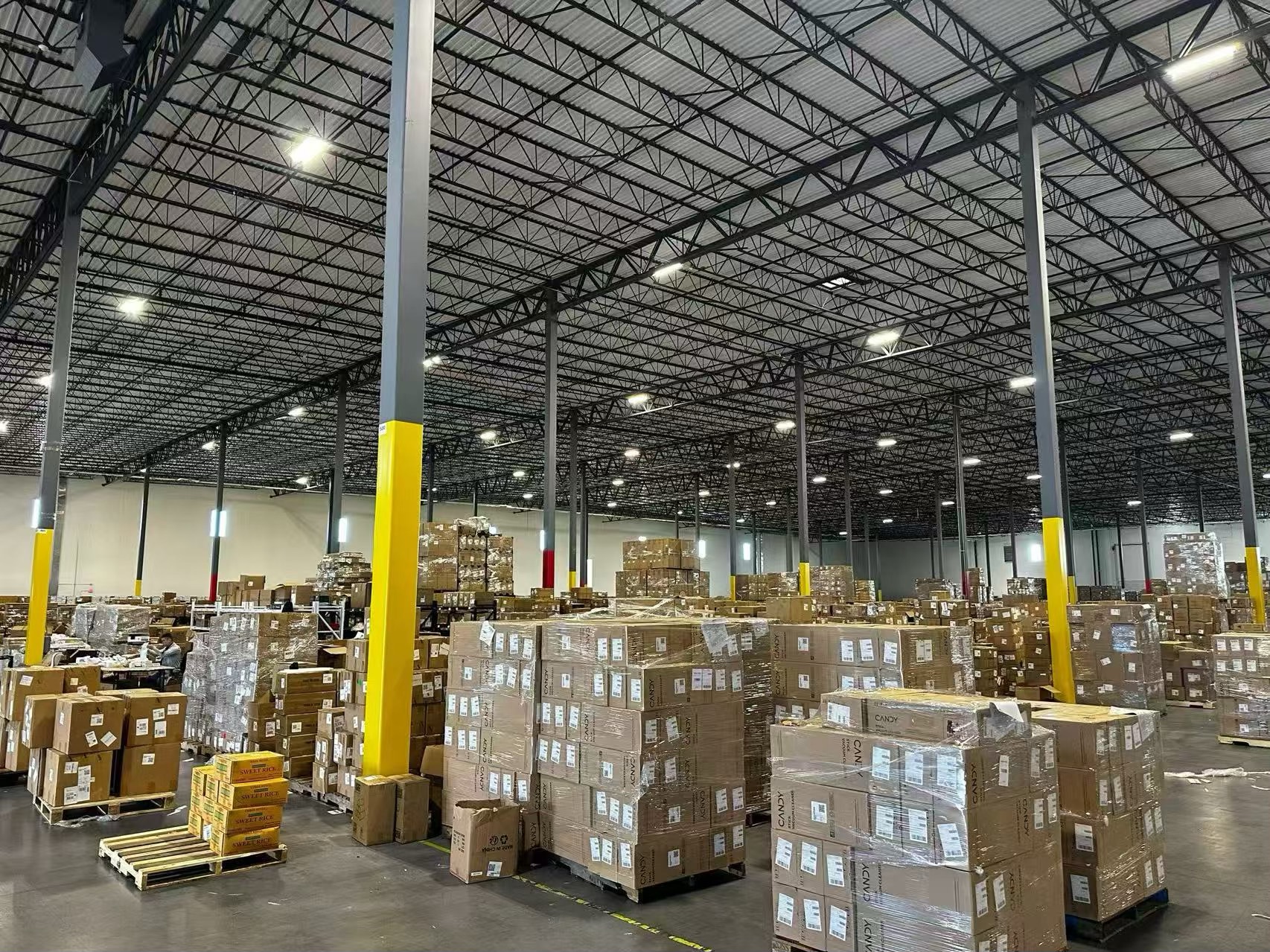
Air vs Ocean: When E-commerce Brands Should Pay for Speed
How to decide when air uplift is justified, and how to use it as a planned buffer instead of an emergency lever.
Read Full Guide →
DIM Weight & Packaging: Reduce Air Freight Costs by 15–25%
Real-world examples of carton resizing, SKU mix changes, and packaging tweaks that reduce chargeable weight.
Open the Guide →
From Air Terminal to FBA: Playbook for Fast Receiving
How ASN quality, truck routing, and appointment strategy shape FBA check-in speed for air inbound.
View Workflow →Content Attribution & License
General definitions and public references are shared under the CC BY-SA 4.0 License.
Analytical insights and commentary labeled “WinsBS Research” are original works © WinsBS Research (2025) and licensed exclusively to WinsBS Wiki.
Data sources include IATA Air Cargo Manuals, TSA security guidelines, CBP air cargo clearance policies, EU ICS2 documentation, and WinsBS Research datasets on air freight utilization and e-commerce inbound flows.
* Information verified as of December 2025. WinsBS Research assumes no liability for regulatory or pricing changes after publication.