
Country of Origin (COO) — Definition & 2025 Compliance Guidelines Updated Dec 2025
Source: U.S. Customs and Border Protection (CBP), Department of Homeland Security (DHS), WTO Trade Facilitation resources, and WinsBS Research (2025). This guide provides the rules, compliance practices, and impacts of COO for e-commerce businesses, importers, and exporters.
Industry Standard Definition
View Official Definition
Country of Origin (COO) is a legal term used in international trade to define the country where a product is manufactured or processed. It plays a critical role in determining applicable trade duties, tariffs, eligibility for preferential trade agreements like USMCA, and customs clearance requirements.
— U.S. Customs and Border Protection (CBP), 2025
Compliance Requirements (2025)
To ensure correct COO documentation, businesses must adhere to U.S. Customs and international trade rules. Accurate COO declarations impact tariff rates, qualification for trade agreements, and compliance checks.
Key Considerations for COO Compliance
- HTS Code Classification: COO directly impacts the Harmonized Tariff Schedule (HTS) code classification, which determines the tariff rate applied to imports.
- Rules of Origin: Under agreements like USMCA, COO must align with specific rules that define how much of a product's value must come from the originating country to qualify for benefits.
- Documentation: Exporters must provide a Certificate of Origin (CO) to confirm the product’s origin for customs clearance, and may require a declaration for products subject to duties or trade restrictions.
Regional Variations — COO Rules
View Regional Variations
| Region | Local Term | Key Compliance Aspect |
|---|---|---|
| United States | COO Declaration | Required for all imports, influencing duties, tariffs, and eligibility for U.S. free trade agreements. |
| European Union | Country of Origin Marking | COO must be declared, and non-compliance can lead to fines and product rejection at customs. |
| China | COO Declaration | Chinese export laws mandate COO on all goods to ensure compliance with global trade rules and tariff applications. |
Expert Analysis — WinsBS Research
View Analyst Insight
Maxwell Anderson, Senior Trade Compliance Analyst at WinsBS Research:
“The Country of Origin (COO) is a cornerstone in global trade compliance. In 2025, the complexity of COO rules increases with more focus on the validity of certifications, especially regarding U.S.-China trade relations under UFLPA. Compliance errors here can lead to severe financial consequences.”
Critical Risk Terms (2025)
COO FAQ — Common Questions
What is the significance of COO in international trade?
The Country of Origin determines the applicable duties, tariffs, and eligibility for preferential trade agreements like USMCA, affecting cost and compliance at customs.
What happens if COO is incorrectly declared?
Incorrect COO declarations can lead to fines, shipment delays, product rejections, or customs detention, leading to significant financial penalties.
How do I verify the COO for my imported products?
You can verify COO through documentation such as Certificates of Origin (CO) provided by the manufacturer or supplier, or through customs filings that provide clear declarations of product origin.
WinsBS Blog Insights
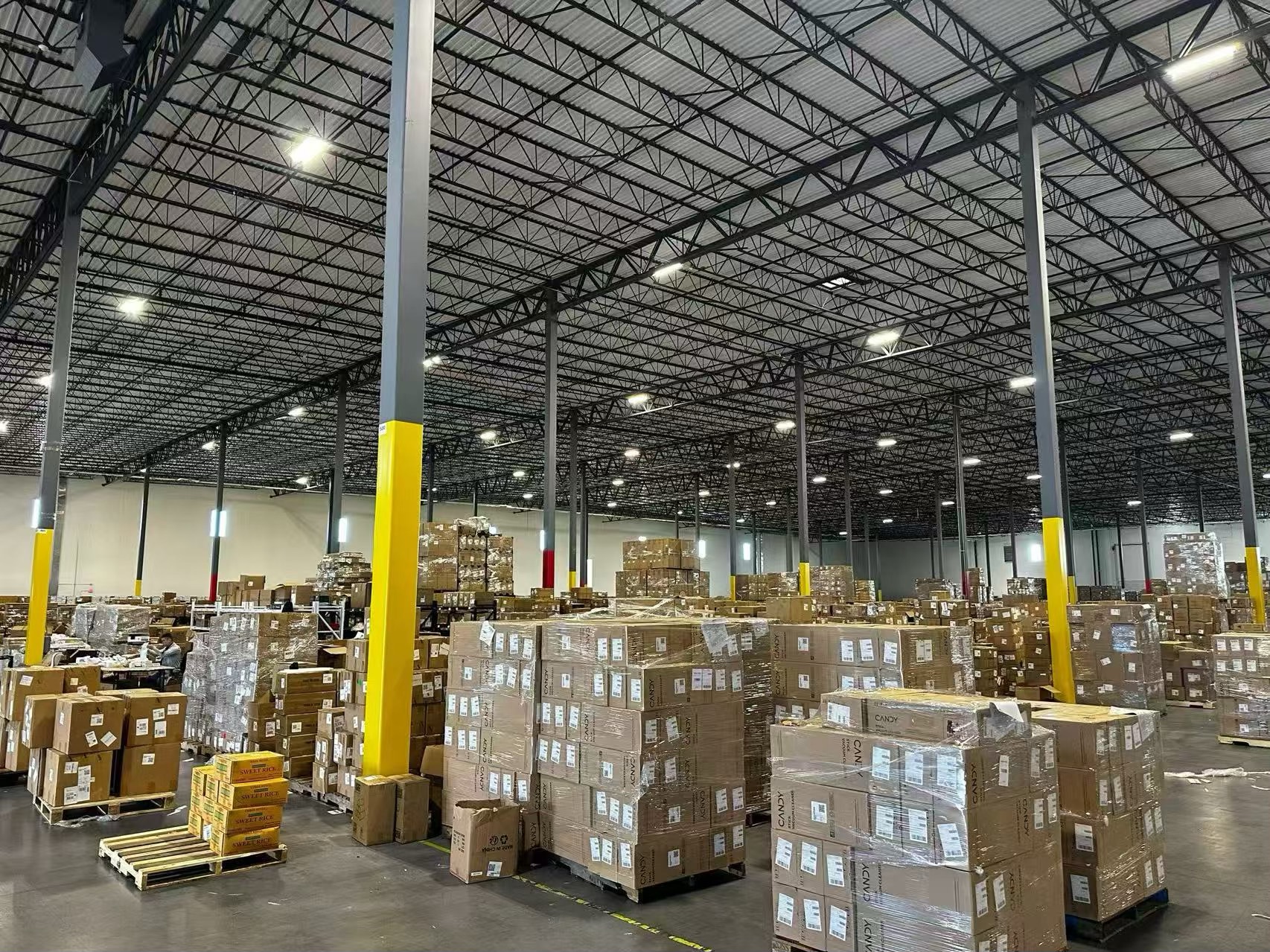
COO Compliance & UFLPA Risk Management: Ensuring Smooth Imports for E-commerce Brands
Understanding the importance of Country of Origin (COO) in compliance with the Uyghur Forced Labor Prevention Act (UFLPA) is crucial for avoiding customs detentions and ensuring smooth shipments. This post covers key risk management strategies for sellers importing goods from China and other regions impacted by UFLPA screenings.
Read Full Guide →
The Impact of COO on U.S. Tariff Classifications
COO plays a critical role in determining the correct HTS code for imported products, which directly impacts the tariff rate applied at U.S. customs. This blog post explores the nuances of COO and its influence on your import strategy, helping e-commerce brands save on costs and avoid penalties.
Explore Full Analysis →
Navigating COO Requirements for U.S. and EU Markets: A Cross-Border E-commerce Guide
Each region has its own set of regulations for determining and declaring the Country of Origin. This guide dives into the differences in COO requirements between the U.S. and EU, providing e-commerce businesses with actionable strategies to ensure compliance and optimize their supply chain.
Read Full Guide →Content Attribution & License
Definitions are shared under the CC BY-SA 4.0 License.
* Information verified as of November 2025. WinsBS Research assumes no liability for policy changes after publication.