
Withhold Release Order (WRO) — Definition & 2025 Guidelines Updated Nov 2025
Source: U.S. Customs and Border Protection (CBP), Department of Homeland Security (DHS), WinsBS Research (2025). WRO is an enforcement tool used by CBP to withhold goods suspected of violating U.S. import regulations.
Industry Standard Definition
View Official Definition
A Withhold Release Order (WRO) is issued by U.S. Customs and Border Protection (CBP) to detain imported goods suspected of non-compliance with U.S. laws. The most common reasons for issuing a WRO are:
- Violation of the Uyghur Forced Labor Prevention Act (UFLPA)
- Non-compliance with required product certifications (e.g., FDA, FCC, etc.)
- Failure to meet safety, security, or environmental standards
— U.S. Customs and Border Protection (CBP), 2025
WROs are often triggered by suspicion of goods being produced with forced labor or failure to comply with U.S. safety standards, such as FCC certifications, FDA requirements, or non-compliance with UFLPA.
How to Avoid a Withhold Release Order (WRO)
View Compliance Guidelines
To minimize the risk of a WRO, it’s essential to follow these key compliance steps:
- Ensure UFLPA Compliance: Regularly check the UFLPA Entity List to confirm that your suppliers are not on the list.
- Proper Documentation: Provide accurate certificates of origin, FDA compliance, FCC certifications, and other required documentation.
- Pre-shipment Audits: Audit your shipments and verify all documents before dispatch to ensure compliance with U.S. laws.
- Engage a Customs Broker: Work with a licensed customs broker who can ensure that your shipments are fully compliant with U.S. regulations.
Failing to comply can lead to severe delays, fines, or even seizure of goods by U.S. Customs. Always ensure that your supply chain is transparent and meets all U.S. import regulations.
2025 U.S. Compliance Alerts
Expert Analysis — WinsBS Research
View Expert Insight
Michael, Senior Supply Chain Analyst at WinsBS Research:
“A Withhold Release Order (WRO) is a key tool for U.S. Customs to ensure goods entering the country comply with international trade and labor standards. Sellers need to stay updated on UFLPA regulations to avoid costly detentions and fines.”
WinsBS Blog Insights
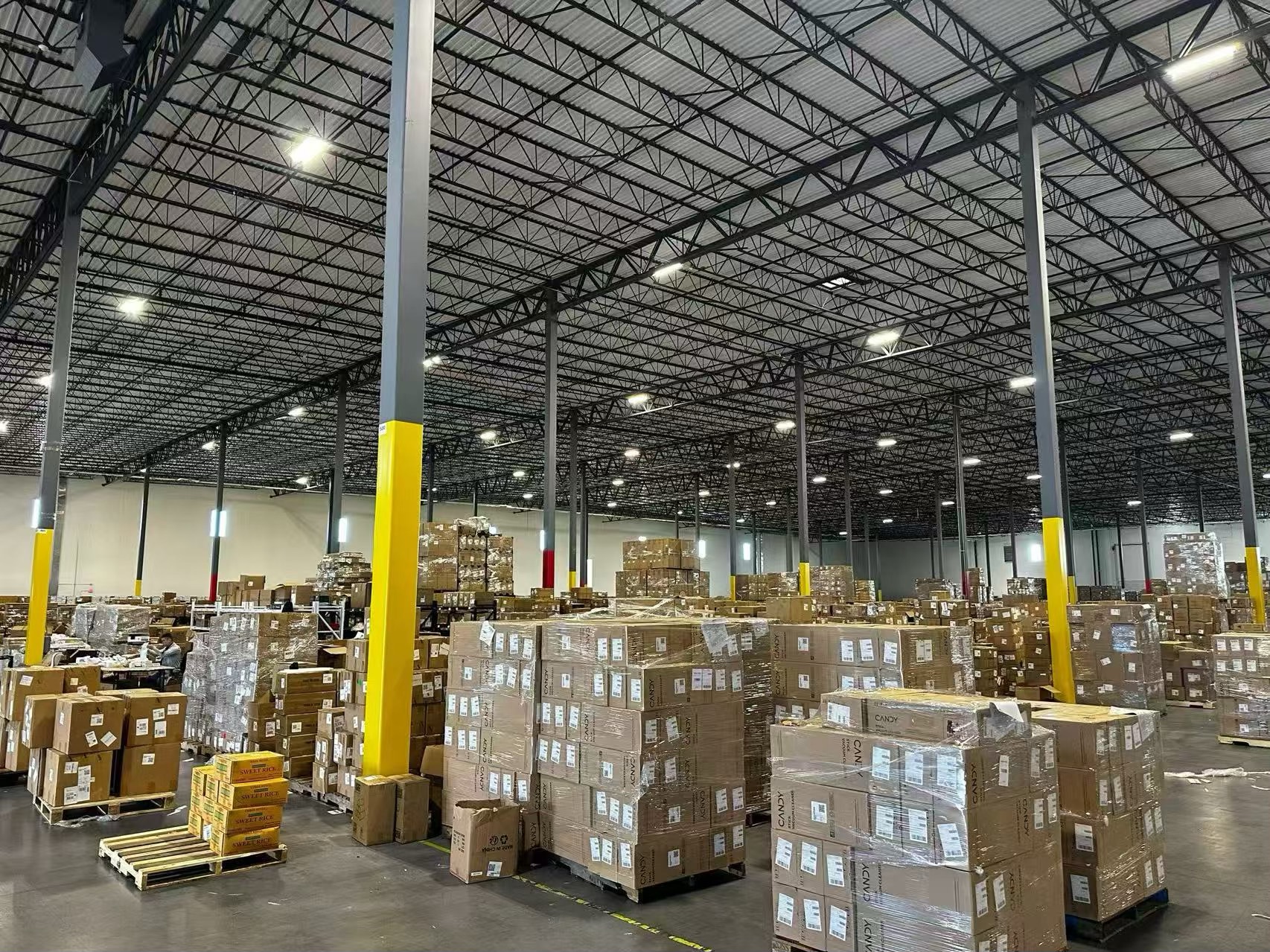
UFLPA Compliance & How It Impacts WRO Issuance
Understanding the UFLPA Entity List and its role in triggering Withhold Release Orders (WRO) for imports from high-risk regions.
Read Full Guide →
How to Prevent WROs in Cross-Border E-commerce
Best practices for avoiding WRO detentions in your supply chain—ensuring compliance with U.S. import regulations.
Read Insights →
How to Ensure FBA Shipments Avoid WRO Risks
Practical advice on managing FBA shipments to avoid forced labor violations and meet U.S. customs requirements.
Explore Full Article →Content Attribution & License
General definitions provided under the CC BY-SA 4.0 License.
All commentary and analysis labeled “WinsBS Research” are © WinsBS Research (2025) and licensed exclusively to WinsBS Wiki.
Data sources include U.S. Customs and Border Protection (CBP), DHS UFLPA Entity List, and WinsBS Research datasets.
Information verified as of November 2025.