










Customs-Trade Partnership Against Terrorism (C-TPAT) — Definition & 2025 Supply Chain Security Framework Updated Nov 2025
Source: U.S. Customs and Border Protection (CBP), Department of Homeland Security (DHS), World Customs Organization SAFE Framework, and WinsBS Research (2025). C-TPAT is a voluntary CBP trade compliance & supply chain security program designed to reduce cargo risk and accelerate U.S. import processing.
Industry Standard Definition
View Official-Aligned Definition
C-TPAT is a voluntary U.S. CBP program that partners with trusted importers, logistics providers, manufacturers, and other supply chain entities to enhance security across international logistics routes. Certified members receive faster customs clearance, reduced exams, and lower risk scores.
— U.S. Customs and Border Protection, C-TPAT Program Overview
What C-TPAT Does in the Supply Chain
View Core Responsibilities
- Supply Chain Security Certification: Evaluates companies against CBP security criteria (container seals, facility access, employee vetting, cybersecurity).
- Risk Reduction: Lowers the likelihood of cargo tampering, smuggling, and forced labor violations.
- Trade Facilitation: Members receive lower exam rates, Front-of-Line privileges, and expedited processing through the U.S. border.
- Mutual Recognition: Shares trusted status with international customs agencies (WCO SAFE, EU AEO, UK AEO).
- Eligibility for CBP Trusted Trader: Reduced penalties, improved risk scoring, and potential benefits under Partner Government Agencies.
C-TPAT Membership Categories (2025)
View Categories
| Entity Type | Role in Supply Chain | Key Requirement |
|---|---|---|
| U.S. Importers | Direct owners of inbound cargo | Comprehensive security profile & documentation |
| U.S. / Foreign Manufacturers | Production & packaging of goods | Factory security, employee screening, cargo integrity |
| Highway / Ocean / Air Carriers | Transport cargo into the U.S. | Secure routing, tracking, conveyance integrity |
| 3PLs & NVOCCs | Warehousing & freight management | Facility safety, documentation controls, chain-of-custody records |
| Customs Brokers | Customs filings & data transmission | Secure data operations & staff vetting |
Regional Nuance — U.S. C-TPAT vs EU AEO vs UK AEO
View Differences
| Region | Program | Major Distinctions |
|---|---|---|
| United States | C-TPAT (CBP) | Voluntary; major focus on supply chain security & chain-of-custody. |
| European Union | EU AEO | Includes both safety/security + customs simplification pathways. |
| United Kingdom | UK AEO | Post-Brexit divergence; additional documentation & audit cycles. |
Expert Analysis — WinsBS Research
View Analyst Insight
Maxwell Anderson, Editor-in-Chief & Data Director, WinsBS Research:
“Across our 2025 logistics audit dataset, C-TPAT-certified entities experienced 42–58% fewer CBP exams. The largest advantage? Predictability. C-TPAT certification improves cargo handling consistency and reduces last-mile delays caused by customs variability — especially for brands shipping from China & Mexico.”
To maximize benefits, brands should:
- Integrate factory + warehouse security checks into sourcing SOPs.
- Document chain-of-custody across suppliers, carriers, and 3PL partners.
- Choose C-TPAT-certified U.S. 3PL partners to reduce exam risk.
Where C-TPAT Matters in E-commerce Supply Chains
View Typical Scenarios
- High-value electronics requiring secure chain-of-custody.
- Cross-border trucking from Mexico & Canada.
- Containerized ocean shipments subject to random CBP exams.
- Fast-turn inventory models where delays cause stockouts.
- Brands seeking reduced CBP exam fees & faster clearance.
Critical Risks Related to C-TPAT (2025)
C-TPAT FAQ — Common Questions from Importers
Is C-TPAT mandatory?
No. C-TPAT is voluntary, but certified members receive fewer exams, faster clearance, and lower supply chain security risk.
Can foreign manufacturers join?
Yes. Foreign manufacturers (especially in China, Mexico, and India) can join through CBP’s foreign manufacturer category.
Does C-TPAT help with UFLPA?
Indirectly. C-TPAT certification requires strong traceability & supplier vetting, which supports UFLPA compliance, but does not exempt from UFLPA reviews.
Need a C-TPAT-Ready Fulfillment Partner?
C-TPAT requires strict supply chain security — from container sealing to warehouse access control. WinsBS provides secure U.S. warehousing, chain-of-custody documentation, vendor audits, and routing SOPs to help brands reduce exam risk and speed up clearance.
WinsBS Blog Insights
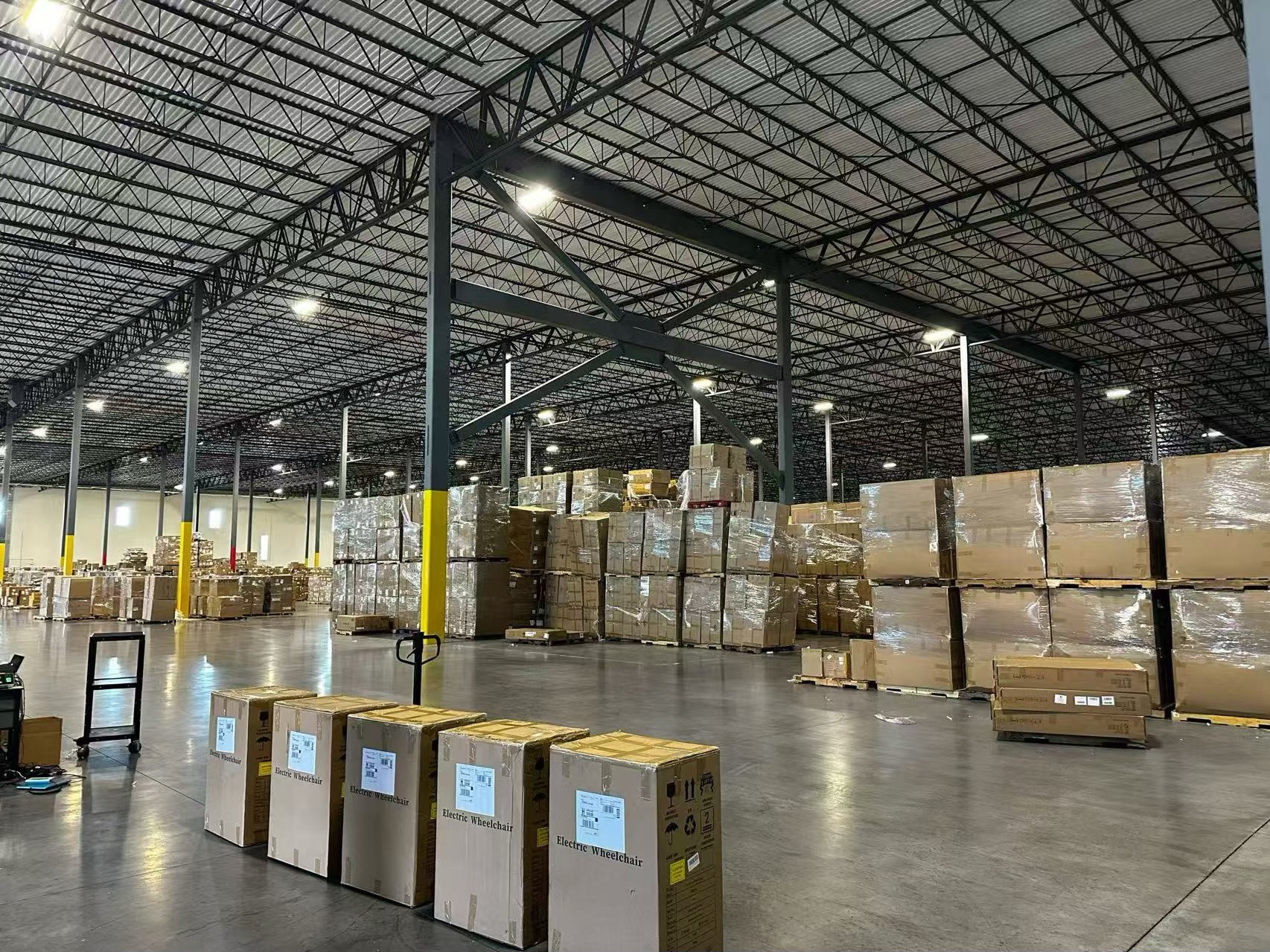
How C-TPAT Reduces CBP Exams for E-commerce Importers
Insights into exam rates, container risks, and trusted trader benefits.
Read Guide →
Warehouse Security Controls for C-TPAT Compliance (2025 Update)
Checklist for physical access control, CCTV, and cargo integrity.
Learn More →
Supply Chain Visibility Tools Trusted by C-TPAT Importers
Tech stack: chain-of-custody logs, GPS seals, and real-time tracking tools.
Read Insights →Content Attribution & License
General definitions follow the CC BY-SA 4.0 License.
Analytical insights labeled “WinsBS Research” are © WinsBS Research (2025), licensed exclusively to WinsBS Wiki.
Information verified as of November 2025. WinsBS Research is not liable for regulatory updates after publication.