
Purchase Order (PO) — Definition & 2025 Supply Chain Workflow Overview Updated Nov , 2025
Source: Oracle NetSuite Procurement Guides, SAP Ariba Documentation, Shopify Wholesale & B2B Playbook, and WinsBS Research (2025). Purchase Orders (POs) formalize product purchasing, inbound scheduling, billing, and inventory accuracy across the supply chain.
Industry Standard Definition
View Official Definition
A Purchase Order (PO) is a formal, legally binding document issued by a buyer to a vendor outlining product specifications, quantities, unit prices, Incoterms, ship windows, delivery locations, and payment terms. POs are core to procurement, inbound logistics, and inventory planning workflows.
— Oracle NetSuite Procurement Documentation (Accessed 2025)
PO Components & Workflow Structure (2025)
View Core PO Components
| Component | Examples | Primary Business Function |
|---|---|---|
| Product Line Items | SKU, UPC/EAN, variant, MOQ | Defines the exact goods the supplier must produce or ship. |
| Pricing & Terms | Unit cost, tiered pricing, payment terms (Net 30) | Locks in price commitment and payment structure. |
| Delivery Requirements | Ship window, warehouse address, Incoterms (FOB/EXW/DDP) | Ensures on-time inbound and proper routing to 3PL or FBA/FBM nodes. |
| Compliance Requirements | Labeling, carton specs, pallet rules, certificates | Reduces inbound errors and prevents FC-level rejection. |
| PO + OMS/WMS/ERP Sync | NetSuite ERP, SAP Ariba, Skubana/ShipHero | Real-time receiving, ASN matching, and inventory accuracy. |
Expert Analysis — WinsBS Research
View Analyst Insight
Maxwell Anderson, Editor-in-Chief & Data Director, WinsBS Research:
“Across 220 U.S. brands we tracked in 2025, PO accuracy directly determined inbound success: 42% of receiving delays originated from mismatched POs, 29% of stockouts were caused by inaccurate PO forecasts, and brands using automated PO–ASN–WMS syncing cut reconciliation time by 68%. The PO is not paperwork—it's the source of truth for inventory and cash flow.” — WinsBS Research (sample: 220 DTC & wholesale brands, 2025)
Critical Risk Terms (2025)
PO FAQ — Common Questions
What does a Purchase Order include?
A PO includes items, quantities, pricing, Incoterms, delivery address, ship windows, compliance requirements, and payment terms.
How do POs connect to OMS or WMS?
POs sync with OMS/WMS to match inbound receiving, ASN data, and inventory updates for real-time accuracy.
Why do brands rely on POs?
POs ensure financial clarity, prevent supplier disputes, enable precise inbound planning, and reduce warehouse receiving errors.
WinsBS Blog Insights
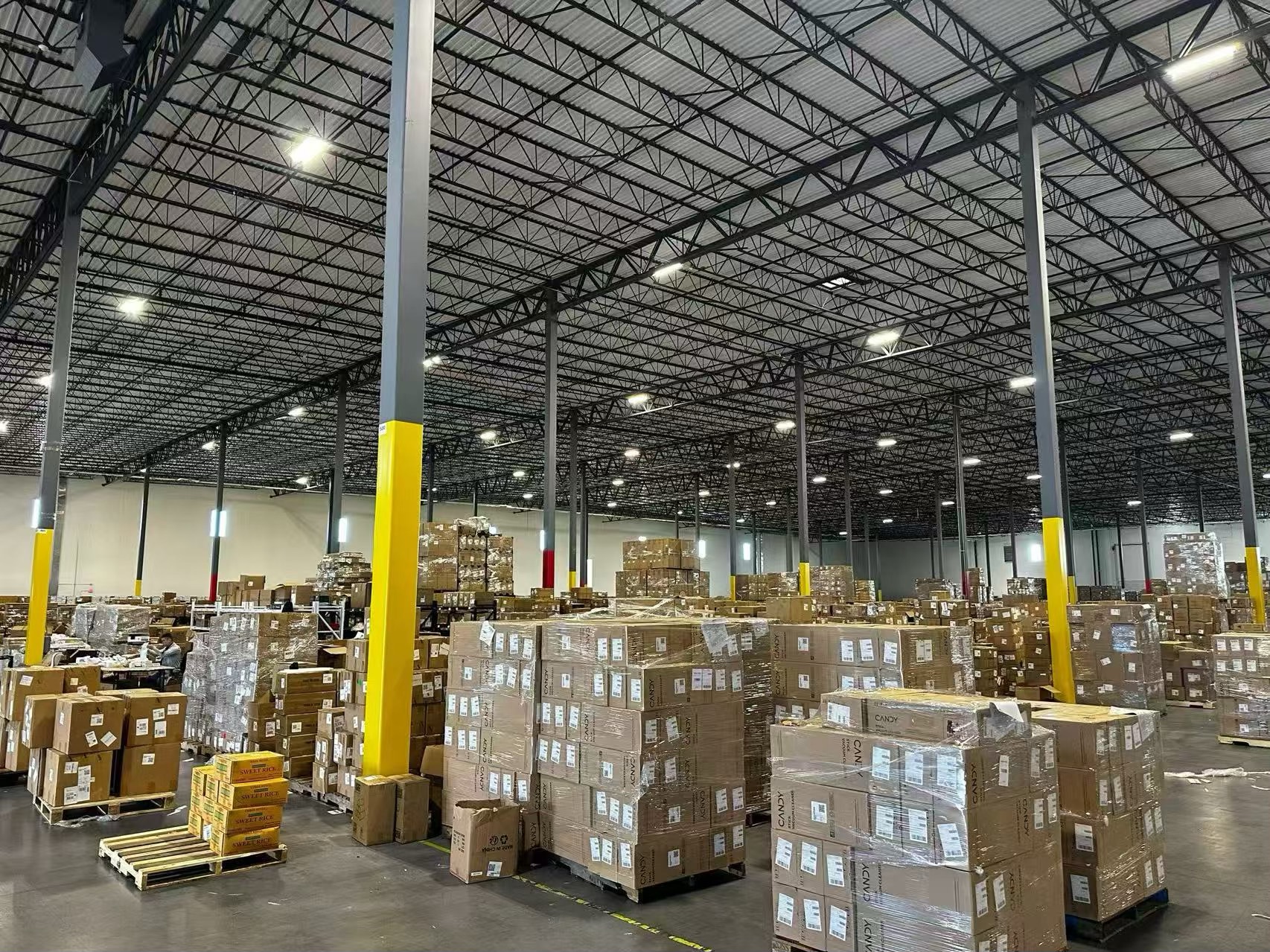
How to Build PO Accuracy: Reduce Receiving Errors by 40%
Learn how PO line-item clarity, carton specs, and compliance standards prevent costly inbound delays.
Read Full Guide →
Automating PO → ASN → WMS: The 2025 Inbound Automation Stack
Why automated syncing cuts reconciliation time and improves forecasting accuracy for fast-growing brands.
Explore Insights →
Avoid Supplier Disputes: The PO Structure That Fixes 80% of Issues
How clear PO rules protect brands from overbilling, substitutions, and partial shipments.
Read Case Study →Content Attribution & License
General definitions and public references are shared under the CC BY-SA 4.0 License.
Analytical insights and operational commentary labeled as “WinsBS Research” are original works © WinsBS Research (2025) and licensed exclusively to WinsBS Wiki.
Data references include Oracle NetSuite Procurement, SAP Ariba Documentation, Shopify B2B, and WinsBS Research datasets.
Information verified as of November 2025. WinsBS Research assumes no liability for vendor or integration changes after publication.