
Pallet In / Pallet Out — Definition, Warehouse Handling & 2025 Pallet-Based Pricing Structure Updated Dec 2025
Source: U.S. and EU 3PL warehouse tariffs, pallet handling schedules, Amazon FBA/FBM prep and routing guides, and WinsBS US Importer & Fulfillment Wiki taxonomy (2025). “Pallet In / Pallet Out” describes how many 3PLs bill for pallet-level inbound receiving and outbound dispatch on top of Storage Fees and Handling Fees.
Industry Standard Definition
View Official Definition
In 3PL and warehousing contracts, Pallet In / Pallet Out refers to the pallet-level fees charged when inventory enters or leaves a facility. Instead of billing every touch as a separate line item, many providers bundle inbound receiving, putaway, staging, and outbound loading into per-pallet charges:
- Pallet In: charged when pallets arrive at the warehouse and are received, checked, and put away.
- Pallet Out: charged when pallets are picked from storage, staged, and loaded for outbound shipping.
These fees sit alongside, and sometimes overlap with, Storage Fees, Handling Fees, and Cross-docking charges. They are usually expressed as a flat rate per pallet and may include a certain number of days of storage or a capped number of touches.
— WinsBS US Importer & E-commerce Logistics Hub (2025)
For Amazon FBA, FBM, and Shopify brands, understanding Pallet In / Pallet Out is essential to forecast Landed Cost and to compare pallet-based warehouse models with purely unit-based Pick & Pack pricing.
How Does Pallet In / Pallet Out Work in Practice?
View Billing Logic & Examples
Common Structures
- Flat Pallet In Fee: e.g. “$12 per pallet received” covering check-in, basic inspection, and putaway.
- Flat Pallet Out Fee: e.g. “$10 per pallet shipped” covering picking from rack, staging, and truck loading.
- Pallet In + Included Storage Window: e.g. Pallet In fee includes first 7–14 days of storage.
- Tiered Pallet Pricing: lower rates above thresholds (50, 100, 300+ pallets).
- Accessorial-Based Fees: oversized pallets, re-palletization, special equipment.
- Cross-dock Pallet Fees: reduced Pallet In/Out for same-day turn shipments.
Pallet In / Pallet Out — Scenarios & Cost Impact
| Scenario | Operational Pattern | Pallet In Fees | Pallet Out Fees | Cost Signal |
|---|---|---|---|---|
| DTC brand with carton picks only | Inbound pallets → stored → picked by unit | Charged per inbound pallet | Usually none (unit-level pick & pack) | Pallet In dominates receiving cost. |
| B2B wholesale shipments | Inbound pallet → stored → outbound pallet | Charged per pallet | Charged per pallet | Pallet fees outweigh storage in fast turnover cycles. |
| Amazon FBA prep | Inbound pallets → prep → outbound pallets | Inbound pallet fee + unload surcharge | Pallet Out for FBA LTL | Compare pallet-based vs unit-based FBA prep. |
| Cross-dock redistribution | Inbound → outbound same-day | Discounted inbound rate | Discounted outbound rate | Lowest cost for high-velocity networks. |
The real cost impact depends on pallet turnover, order mix (DTC/B2B/Amazon), and how many warehouse nodes the pallets move through.
Regional Nuance — U.S., EU, UK & Amazon Ecosystem (2025)
View Regional Differences
| Region | Pallet Fee Pattern | Key Considerations |
|---|---|---|
| United States | Flat pallet rates common; accessorial fees frequent. | Watch for double-counting vs Handling Fee. Check oversized pallet surcharges and LTL appointment costs. |
| European Union | Often includes first storage days; pallet positions common. | Align pallet fees with turnover and pan-EU stock allocation. |
| United Kingdom | Hybrid pallet/case billing models. | Post-Brexit inbound steps may add work inside Pallet In. |
| Amazon Ecosystem | Prep centers use pallet-based inbound/outbound for FBA. | Compare pallet-based prep with per-unit FBA prep services. |
Cost Drivers & Pricing Implications
View Cost Components
| Driver | Examples | Impact |
|---|---|---|
| Labor Intensity | Mixed-SKU breakdown, relabeling, rework. | Higher Pallet In/Out or shift to VAS charges. |
| Equipment & Infrastructure | High-bay racks, clamp trucks, dock levelers. | Higher pallet fees due to equipment cost recovery. |
| Pallet Standards | Non-48×40, damaged pallets, CHEP pallets. | Re-palletization fees or surcharges. |
| Order Mix | DTC vs Wholesale vs FBA | B2B/FBA outbound → more Pallet Out events. |
| Multi-warehouse Strategy | 2–3 nodes for coverage | Same pallet may incur multiple pallet fees. |
| Carrier Behavior | Missed appointments, long unloads | Pass-through detention → added inbound cost. |
Brands should model the fully loaded cost per sellable unit across pallet and unit flows.
Expert Analysis — WinsBS Research
View Analyst Insight
Maxwell Anderson, Editor-in-Chief & Data Director, WinsBS Research:
“When we model 3PL cost structures, Pallet In / Pallet Out is one of the most misunderstood lines in the tariff.
Three patterns show up repeatedly:
• pallet fees that double-count work already billed under handling
• outbound pallet charges inflating B2B/FBA restocks
• network designs pushing pallets through multiple nodes unnecessarily
The solution is to align pallet fees with how your inventory actually moves. Brands that redesign flows cut 10–25% of avoidable pallet charges.”
- Clarify what is included in Pallet In / Pallet Out.
- Request comparison of pallet vs unit-based billing.
- Check cross-dock, re-palletization, and FBA palletization rules.
- Avoid multi-node pallet stacking in your network.
Want a fulfillment partner that designs pallet fees around your real operations? Get a Pallet Fee Optimization Quote →
Critical Risk Terms for Pallet In / Pallet Out (2025)
Pallet In / Pallet Out FAQ — Common Questions
Do all 3PLs charge Pallet In / Pallet Out fees?
No. Some providers charge by units, cartons, or labor hours. Many U.S. and EU warehouses use pallet fees for bulk inbound/outbound work. Compare per-unit or per-order costs to evaluate models fairly.
What is a fair Pallet In fee?
A fair Pallet In includes unloading, counting, inspection, and putaway. If relabeling or FBA prep tasks are included, they must be clearly listed. Ask for separate line items when extra inbound work occurs.
How is Pallet Out different from Pick & Pack?
Pallet Out applies to full-pallet shipments for B2B or FBA/LTL. Pick & Pack applies to unit-level DTC/wholesale orders. Many brands use both depending on channels.
How do pallet fees affect FBA and FBM costs?
Pallet fees appear at prep centers/hubs handling FBA LTL or wholesale restocks for FBM. Benchmark fully loaded cost per unit across prep, storage, and shipping flows.
Can pallet fees be negotiated?
Yes. Options include lower rates for volume, cross-dock discounts, or bundling VAS into pallet fees. Present shipment history to align fees with true workload.
How can I reduce unnecessary pallet costs?
Optimize pallet height, use standard pallet sizes, consolidate shipments, and minimize node transfers. A strong 3PL partner redesigns flows instead of simply billing more pallet events.
WinsBS Blog Insights
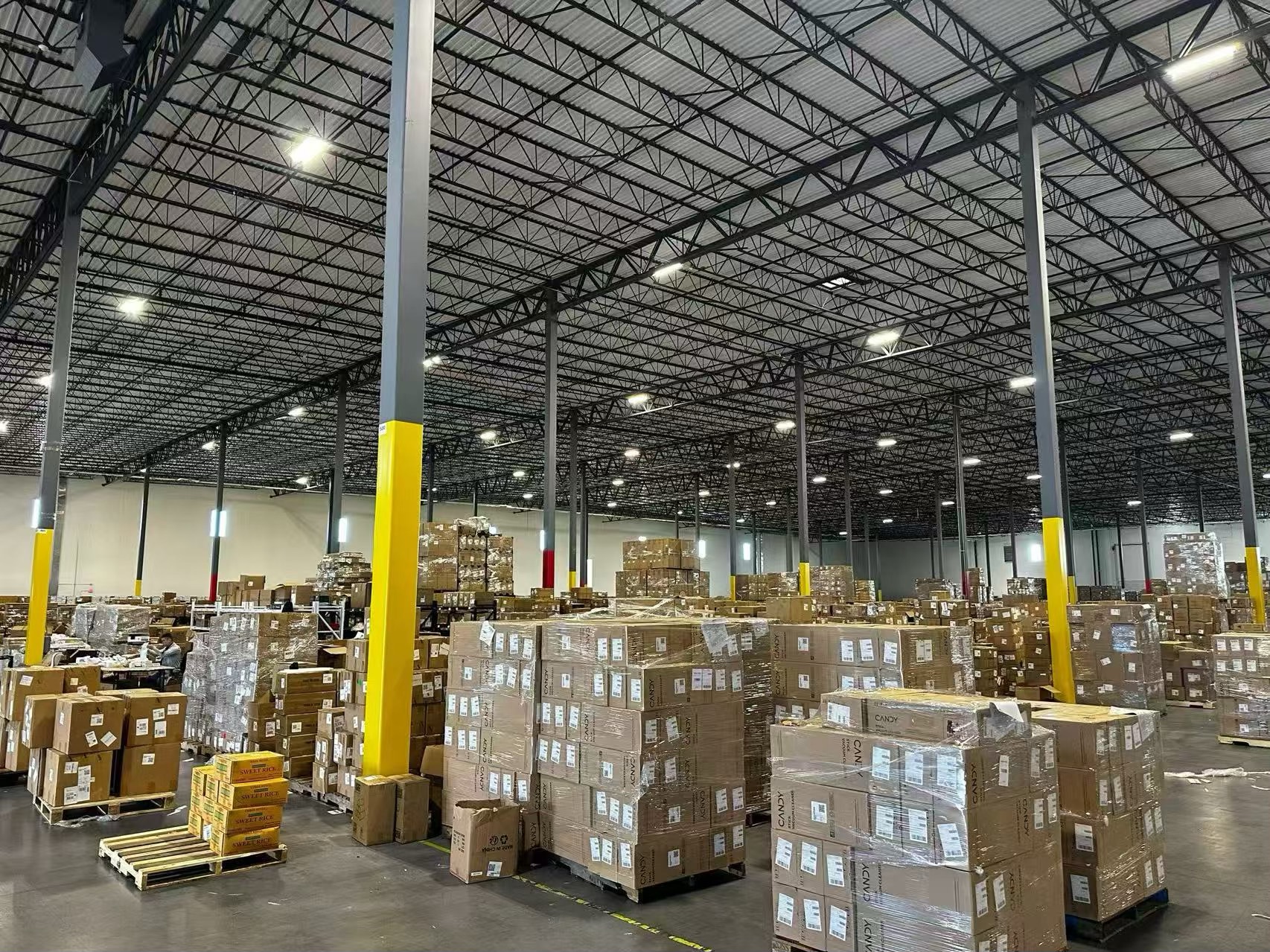
3PL Pallet Fees Explained: From Dock Door to Truck Loading
A detailed walkthrough of what Pallet In and Pallet Out truly cover across DTC, wholesale, and Amazon FBA flows.
Read Full Breakdown →
Scenario Planning: Pallet In / Out vs. Unit-Based Pricing
Models comparing pallet-based tariffs with unit-level handling for different growth stages and order mixes.
Explore the Models →
Network Design: Cut 20% of Pallet Fees without Slowing Shipments
Case studies of re-engineered inbound/outbound flows that reduce pallet events while preserving fast delivery SLAs.
Read Case Studies →Content Attribution & License
General definitions provided under the CC BY-SA 4.0 License.
All commentary and insights labeled “WinsBS Research” are © WinsBS Research (2025) and licensed exclusively to WinsBS Wiki.
Information verified as of December 2025.