








Shopify 3PL Fulfillment — Definition, API Integration & 2025 Multi-Warehouse Delivery Updated Dec 2025
Source: Shopify Fulfillment APIs, Shopify Markets & Plus Documentation, major U.S. 3PL operational benchmarks, USPS/UPS/FedEx small-parcel rules, EU VAT/IOSS requirements for Shopify shipments, and WinsBS Research (2025). For educational reference only — not legal advice.
What Is Shopify 3PL Fulfillment?
View Industry Definition & Context
Shopify 3PL Fulfillment refers to the operational model where a Shopify brand outsources warehousing, pick & pack, shipping, inventory tracking, and returns processing to a certified third-party logistics provider (“3PL”). A 3PL integrates directly with Shopify via API, webhooks, or app connectors to exchange real-time order, inventory, and shipment data.
For modern DTC brands, Shopify 3PL fulfillment is not just storage and shipping. It is a data-synced operations layer that connects Shopify to WMS, OMS, multi-warehouse routing, last-mile carriers, and cross-border inbound flows (e.g., China → U.S. prep).
— Shopify Help Center, Working with Third-Party Fulfillment Services
- Order Intake: Shopify pushes paid orders to the 3PL in real time.
- Inventory Sync: Stock levels update automatically to prevent overselling.
- Pick & Pack: WMS generates optimized pick routes and packaging rules.
- Carrier Mapping: USPS/UPS/FedEx rules, DIM logic, and 2-day delivery SLAs.
- Returns: Reverse logistics with disposition reporting and restock workflows.
A well-configured 3PL reduces operational overhead, improves delivery speed, and supports global scale. A poorly integrated 3PL introduces oversells, delays, chargebacks, and customer complaints—the most expensive class of e-commerce mistakes.
Shopify Fulfillment vs. Amazon FBA, FBM & MCF
| Fulfillment Model | Main Purpose | Relation to Shopify 3PL Fulfillment |
|---|---|---|
| Shopify 3PL Fulfillment | DTC-first warehousing & shipping integrated with Shopify API. | The default for Shopify brands scaling globally; supports custom packaging, routing, bundles. |
| Amazon FBA | Marketplace-priority fulfillment inside Amazon network. | Brands use FBA + Shopify 3PL in hybrid setups; FBA cannot handle Shopify orders directly. |
| FBM | Seller self-fulfillment for Amazon. | Operationally similar to DIY Shopify fulfillment, but much stricter on SLA & tracking. |
| MCF (Multichannel Fulfillment) | Amazon fulfills non-Amazon orders. | MCF can fulfill Shopify orders, but packaging is Amazon-branded and costs more; 3PL is more flexible. |
Most DTC teams use a hybrid approach: 3PL for Shopify, FBA for Amazon, and flexible routing rules for TikTok Shop, wholesale, and B2B shipments.
How Shopify 3PL Fulfillment Works (Step-by-Step Workflow)
| Step | Operational Activity | Shopify/3PL Notes |
|---|---|---|
| 1. API/App Integration | Shopify connects to WMS/OMS or 3PL app. | Syncs orders, inventory, locations, tags, and bundles. |
| 2. Inbound Receiving | 3PL receives inventory; performs ASN checks. | SKU mapping must match Shopify handles & variants. |
| 3. Real-time Inventory Sync | Stock updates flow from WMS → Shopify. | Prevents overselling during ad/launch spikes. |
| 4. Order Routing | Orders assigned to nearest warehouse. | Distance-based or carrier-cost rules; supports multi-warehouse. |
| 5. Pick & Pack | WMS generates pick lists and packing rules. | Supports kits, bundles, fragile packaging, custom inserts. |
| 6. Shipping & Labeling | 3PL prints USPS/UPS/FedEx labels. | Carrier mapping must align with Shopify shipping profiles. |
| 7. Tracking Sync | Tracking numbers flow back to Shopify. | Error-free webhook flow prevents customer inbox failures. |
| 8. Returns Processing | 3PL processes RMAs, QC, and restock decisions. | Supports Shopify Return Requests & Exchanges workflows. |
Operational transparency should live inside the Shopify dashboard through custom apps or OMS alignment—not in disconnected emails.
Regional Patterns & Multi-Warehouse Logistics (2025)
View Regional Operational Characteristics
| Region | Key Actors | Shopify 3PL Fulfillment Considerations |
|---|---|---|
| United States | USPS, UPS, FedEx, local carriers |
|
| China → US Cross-Border | Factories, freight forwarders, transit hubs |
|
| European Union | DHL, GLS, DPD, VAT/IOSS frameworks |
|
| United Kingdom | Royal Mail, Evri, DPD UK |
|
Expert Insight — Why Shopify 3PL Success Depends on Data Architecture
View Analyst Commentary
Maxwell Anderson, Editor-in-Chief & Data Director, WinsBS Research:
1. Shopify is a data platform; 3PLs are execution systems.
If the data layer (API, tags, inventory) is wrong, the whole fulfillment chain collapses.
2. Inventory accuracy drives CAC efficiency.
Paid ads amplify the cost of overselling. Real-time WMS ↔ Shopify sync is not optional.
3. Multi-warehouse routing is the future of DTC logistics.
Brands using two or more U.S. warehouses cut shipping cost by 18–32% vs. single-node fulfillment.
4. Bundles, kits, subscriptions, and influencer drops create SKU volatility.
3PLs must support dynamic SKU logic—static systems break on launch days.
5. Returns are the silent killer of margin.
Without structured QC, disposition rules, and restock criteria, brands leak 5–11% gross margin.
— WinsBS Research, Shopify Operations Benchmarking Report 2025
Risk Radar — Shopify 3PL Operational Risks (2025)
View Critical Risk Scenarios
- Inventory Desync Between Shopify & WMS
- Incorrect Order Routing Across Warehouses
- Bundle / Kit Logic Not Supported
- Slow Pick & Pack SLA
- Misconfigured Carrier Label Mapping
- Unexpected DIM Weight Charges
- Returns Backlog & Misclassification
- Webhook Failures for Tracking Updates
- SKU Mismatch Between Shopify & WMS
- 3PL Cannot Scale During Peak Season
Shopify 3PL Fulfillment FAQ — Common Questions
Does Shopify directly provide fulfillment?
Shopify no longer operates its own fulfillment network. Brands rely on **3PL partners** with Shopify app or API integrations.
How fast should a 3PL ship Shopify orders?
Standard SLA is **same-day** or **next-day** fulfillment. Delays increase refund risk and hurt repeat purchase metrics.
Can Shopify 3PL support influencer drops or Kickstarter campaigns?
Yes. A modern 3PL supports high-volume spikes, batch releases, and crowdfunding fulfillment workflows.
Is multi-warehouse required?
Not required, but brands above ~1,000 U.S. orders/month save **18–32%** on shipping with multi-warehouse routing.
What data issues cause the most failures?
SKU mismatches, bundle logic errors, and webhook tracking failures are the top 3 operational failure points.
Can Shopify 3PL handle returns?
Yes. Most 3PLs provide QC, restock decisions, exchanges, and integrations to Shopify Return Requests.
Upgrade Your Shopify Fulfillment With Data-Driven 3PL Operations
For scaling Shopify brands, fulfillment is not simply “pick & pack.” It is the operational backbone that determines delivery speed, margin, and customer loyalty.
WinsBS supports Shopify sellers by:
- Mapping Shopify SKU architecture into WMS & OMS routing rules.
- Powering multi-warehouse delivery for 2-day nationwide shipping.
- Synchronizing real-time inventory to avoid overselling during ads & launches.
- Supporting bundles, influencer drops, crowdfunding editions, and subscription kits.
- Providing returns QC + disposition to preserve margin.
WinsBS Blog Insights
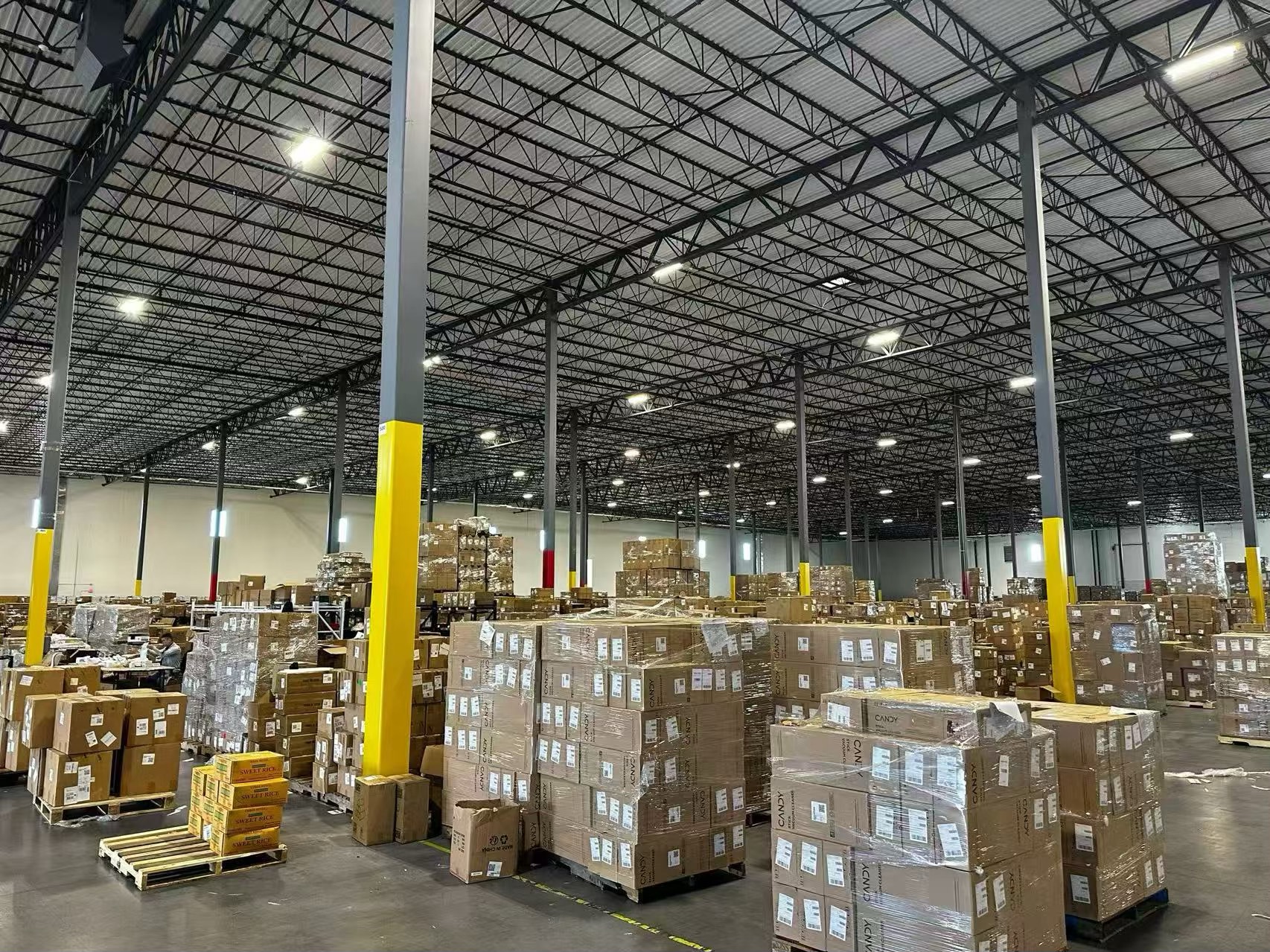
Achieving 2-Day Delivery for Shopify: Operational Architecture
A breakdown of warehouse placement, carrier mapping, and DIM optimization for true 2-day coverage across the U.S.
Read Full Guide →
How Shopify Order Routing Works With Multi-Warehouse Networks
Explains Shopify’s location priority, shipping profiles, and API-driven routing rules for 3PL networks.
View Analysis →
Inventory Sync Failures: The Hidden Margin Leak for Shopify Sellers
Why inventory desync causes oversells, refunds, and CAC inefficiency—and how structured WMS integrations prevent it.
View Benchmarks →Content Attribution & License
General definitions and public references are shared under the CC BY-SA 4.0 License.
Analytical insights and commentary labeled “WinsBS Research” are © WinsBS Research (2025) and licensed exclusively to WinsBS Wiki.
Data sources include Shopify APIs, Shopify Plus documentation, major 3PL benchmarks, carrier service guides, and WinsBS Research DTC logistics datasets.
* Information verified as of December 2025. WinsBS Research assumes no liability for regulatory or policy changes after publication.