










Geo-based Routing — Location-Based Order Routing Across Warehouses (2025 Fulfillment Control Guide) Updated Dec 2025
Source: Shopify Help Center (order routing & multi-location fulfillment), Amazon Seller Central FBM handling and delivery promise policies, and OMS/WMS distributed inventory routing standards (2024–2025).
What Is Geo-based Routing?
View definition
Geo-based routing is a fulfillment control mechanism used in OMS-driven operations to determine which warehouse or fulfillment node should ship an order based primarily on the customer’s delivery location.
Unlike simple inventory allocation, geo-based routing evaluates geographic distance together with inventory availability, carrier service coverage, cutoff times, and delivery promise constraints before a fulfillment decision is made.
— Shopify Help Center
Who Typically Uses Geo-based Routing?
View common use cases
- Multi-warehouse DTC brands: distributing orders across regional nodes.
- Shopify merchants: using location-based fulfillment rules.
- Amazon FBM sellers: meeting delivery promises without central stock.
- OMS-controlled operations: enforcing deterministic routing logic.
What Operators Actually Care About
View operational priorities
- Promise-date stability across regions.
- Zone-based shipping cost control.
- Inventory integrity between OMS and WMS.
- Cutoff-time alignment to avoid late shipment risk.
- SKU-level routing eligibility.
Common Geo-based Routing Scenarios
View real-world scenarios
- Nearest-node routing: shortest delivery distance.
- Regional inventory pools: East / West / Central segmentation.
- Carrier zone optimization: minimizing zone-based surcharges.
- Domestic preference routing: avoiding cross-border fulfillment.
- Fallback routing: secondary node when primary stock is unavailable.
Decision Signals: When Geo-based Routing Makes Sense
View decision guidance
- Use when: inventory is distributed and delivery SLAs are enforced.
- Avoid when: inventory accuracy or replenishment timing is unstable.
- Trade-off: reduced transit distance versus routing complexity.
Risk Radar (2025)
View failure modes
- Carrier misrouting: incorrect service selection by region.
- DIM surcharge exposure: distance-optimized but volume-heavy shipments.
- Split shipment escalation: partial inventory at nearest node.
- Promise date drift: cutoff and weekend handling mismatches.
- Multi-warehouse labeling errors: node-specific configuration gaps.
Critical Risk Terms (2025)
Geo-based Routing — Direct Answers
What is geo-based routing?
Geo-based routing is an order routing rule that assigns a fulfillment location based on the customer’s delivery location, while enforcing inventory availability, carrier service constraints, cutoff times, and delivery promise rules.
How does geo-based routing work in fulfillment?
The system evaluates the delivery address, builds a list of eligible fulfillment nodes, applies distance or zone logic, checks inventory and cutoff constraints, and selects the location that best meets promise-date and cost boundaries.
Is geo-based routing the same as inventory allocation?
No. Inventory allocation controls how stock is reserved or made available to sell, while geo-based routing decides where an order ships from after inventory eligibility is confirmed.
When should geo-based routing be used?
Use geo-based routing when inventory is distributed across regions, delivery SLAs matter, and routing decisions must balance speed, cost, and promise-date stability at scale.
What can go wrong if geo-based routing is configured poorly?
Poor rules can increase split shipments, trigger DIM surcharges, cause promise-date drift, and create inconsistent delivery outcomes across regions.
WinsBS Blog Insights
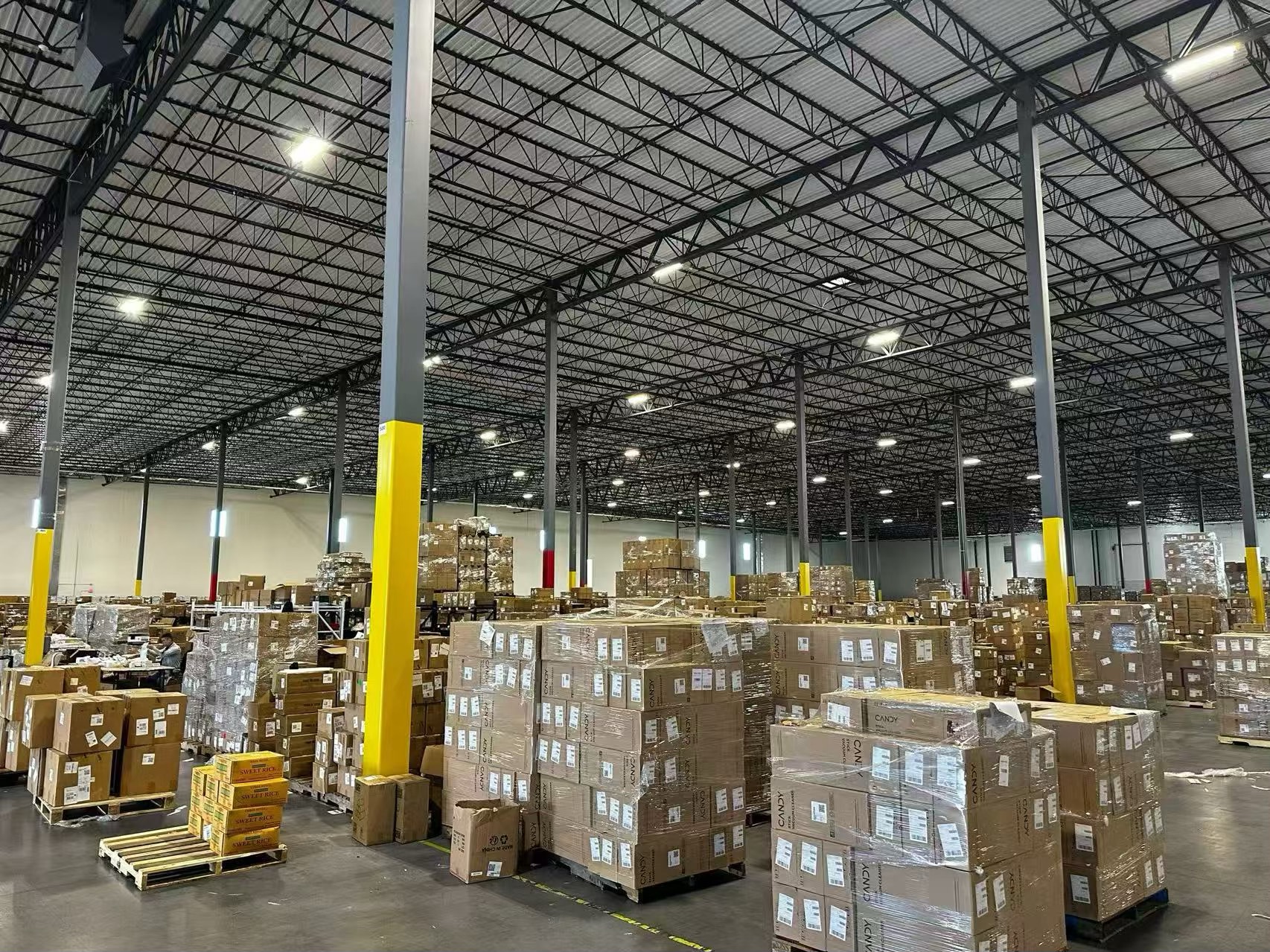
Designing Geo-based Routing Rules That Don’t Break Delivery Promises
Why distance-only routing often fails, and how SLA-first geo logic stabilizes fulfillment outcomes.
Read Full Guide →
Geo-based Routing vs Inventory Allocation: Where Routing Decisions Go Wrong
How geo routing and allocation interact, and why confusing the two causes overselling or late shipments.
Explore Analysis →
How Geo-based Routing Accidentally Creates Split Shipments
Common geo-routing configuration mistakes that increase cost and damage customer experience.
View Playbook →Geo-routing Rule Review
Geo-based routing should be explicitly defined, tested against real carrier performance, and monitored for cost and promise-date variance.
Content Attribution & License
General definitions and public references are shared under the CC BY-SA 4.0 License .
Information verified as of December 2025.