








Fulfillment by Merchant (FBM) — Definition & 2025 Operational Scope Updated Dec 2025
Source: Amazon Seller Central, Amazon Policy Update (Jun–Oct 2025), and WinsBS Research. FBM+ (launched Oct 22, 2025) enables FBA-like expedited delivery for self-fulfillers.
Industry Standard Definition
View Official Definition
Fulfillment by Merchant (FBM) is a selling and fulfillment method in which the seller lists products on Amazon but manages inventory storage, order processing, picking, packing, shipping, and customer service independently. The FBM+ upgrade (Oct 2025) introduces FBA-like expedited delivery through Buy Shipping integration while sellers retain full control.
— Amazon Seller Central Guide to Fulfillment Methods (Accessed Oct 2025)
FBM vs FBA vs SFP vs FBM+ — 2025 Comparison Matrix
| Model | Who Handles Fulfillment | Delivery Speed | Control Level | Key Requirements | Best For |
|---|---|---|---|---|---|
| FBA | Amazon | Prime 1–2 Day | Low | Storage fees, inbound compliance, IPI threshold | Small/light SKUs, fast movers, Prime-first strategy |
| FBM | Seller or 3PL | Varies (2–7 days) | High | ODR <1%, accurate handling time & ship methods | Oversize SKUs, low-margin items, custom bundles |
| SFP | Seller or 3PL | Prime 1–2 Day | High | On-time ≥97%, Valid Tracking ≥99%, ODR <1% | Brands with mature warehouse operations |
| FBM+ (2025) | Seller or 3PL | Prime-like Expedited | High | API-based KPIs, ODR/LSR <1%, Buy Shipping usage | Sellers seeking FBA-like speed without FBA storage fees |
- SFP: On-time shipping ≥97%, Valid Tracking ≥99%, ODR <1% (Updated June 2025).
- FBM+: Launched Oct 22, 2025 — Expedited delivery access via Buy Shipping; eligibility linked to API-tracked KPIs.
Regional Variations & Premium Programs (2025)
View Key Regional Programs
| Program | Region | Key Performance Standard |
|---|---|---|
| Seller Fulfilled Prime (SFP) | US, UK, DE | On-time Shipping ≥97%, Valid Tracking ≥99%, ODR <1% |
| FBM+ (New) | Global (US Priority) | Expedited Delivery Access, ODR <1%, API-based tracking |
| Standard FBM | All Marketplaces | ODR <1%, Pre-fulfillment Cancel Rate <2.5% |
| Premium Shipping Eligibility | Major Regions | Late Shipment Rate <1%, Delivery Speed Compliance |
Regional FBM Rules — U.S., UK & EU (2025)
United States — FBM & SFP
- USPS Ground Advantage and UPS Ground dominate standard FBM routing.
- Using Buy Shipping improves Valid Tracking Rate (VTR) accuracy and claim protection.
- Hazmat SKUs must follow carrier guidelines and Amazon listing requirements before enabling FBM.
United Kingdom — FBM & Premium Delivery
- Royal Mail 24/48 and DPD are commonly used for FBM with next-day options.
- VAT-registered sellers must keep delivery estimates realistic to avoid performance hits.
European Union — DE-Centered Marketplaces
- DHL Paket and regional carriers support FBM with 1–3-day delivery inside core EU countries.
- GDPR applies to customer data held in FBM warehouses, including packing slips and CRM logs.
Expert Analysis — WinsBS Research
View Analyst Insight
Michael, Senior Supply Chain Analyst at WinsBS Research (15+ years cross-border experience):
“FBM is the backbone for sellers targeting margin recovery on oversized, custom, or hazmat SKUs. The 2025 FBM+ rollout marks a fundamental change—FBA-level speeds without storage fees. Sellers must maintain near-perfect API tracking (≥99%) and sub-1% defect rates to keep program eligibility.”
FBM Cost Structure — Fulfillment, Labor & Carrier Fees (2025)
FBM profitability depends on warehouse labor, packaging materials, carrier selection, and how well your Warehouse Management System (WMS) and order routing rules are set up. Based on WinsBS Research (2025), typical FBM cost ranges are:
- Pick & Pack: $1.20–$2.30 per order (complex kits trend higher)
- Warehouse Storage: $0.50–$1.10 per cubic foot per month
- Carrier Labels (UPS/USPS): Zone-based, usually $3.80–$9.90 per domestic shipment
- Returns Processing: $2.00–$3.50 per unit for inspection and restocking
- Materials (boxes, dunnage, labels): $0.30–$0.75 per order
Compared with FBA, FBM avoids long-term storage and inventory performance fees but shifts responsibility to your own warehouse or third-party logistics (3PL) provider. To remain profitable, most brands target ODR <0.5% and avoid free shipping promises that are misaligned with carrier zones.
FBM Troubleshooting — Fixing ODR, LSR & Tracking Issues
1. High Order Defect Rate (ODR >1%)
Most Order Defect Rate (ODR) spikes come from late dispatches, poor packaging, or unanswered messages. Review negative feedback and A-to-Z claims by root cause and correct:
- Improve packaging quality and add inner protection for fragile SKUs.
- Align handling time with realistic pick/pack capacity, not best-case scenarios.
- Set clear buyer communication templates for delays and address issues within 24 hours.
2. Late Shipment Rate (LSR >1%)
Late Shipment Rate usually rises when handling time is understated or carrier cutoff times are ignored. To fix:
- Audit all SKUs’ handling times — extend 1 day if your team misses cutoffs.
- Lock in carrier pickups earlier and avoid end-of-day batching beyond capacity.
- Use a WMS that auto-stops same-day shipments after carrier cutoff.
3. Valid Tracking Rate (VTR <99%)
Valid Tracking Rate (VTR) falls when non-integrated carriers or manual entries are used. Amazon expects scannable, carrier-verified tracking events.
- Rely on Buy Shipping or API-integrated carriers.
- Avoid handwritten or non-standard tracking formats.
- Ensure labels are printed cleanly and placed on flat surfaces to avoid scan failures.
Critical Risk Terms (2025)
How WinsBS Supports High-Performance FBM, SFP & FBM+
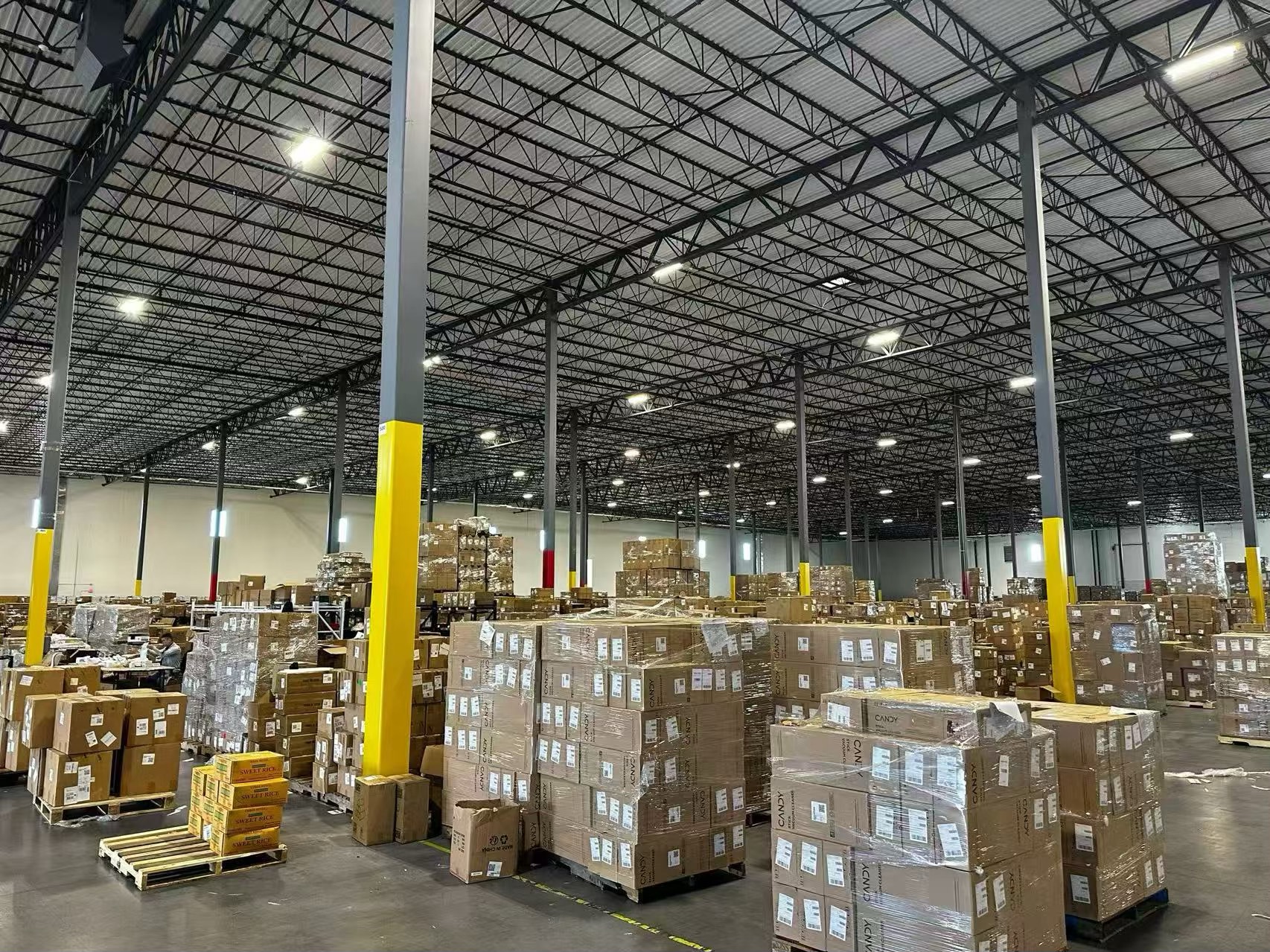
Many brands move to FBM to protect margins on oversized, custom, or hazmat SKUs but struggle to keep ODR below 0.5% and Late Shipment Rate under 1%. WinsBS operates U.S. multi-node fulfillment centers designed for FBM, Seller Fulfilled Prime (SFP), and FBM+ workflows, including:
- API-based tracking validation and automated carrier selection by zone and service level
- Same-day cutoffs with USPS and UPS regional injections for 2–3-day delivery coverage
- FBM+-ready routing rules, handling time audits, and backup inventory buffers
- Performance dashboards focused on ODR, VTR, LSR, and on-time ship rate
In WinsBS-managed FBM programs, brands typically reduce ODR from ~1.2% to 0.3–0.5% while keeping Prime-equivalent delivery promises realistic.
FBM FAQ — Common Questions
Is FBM right for every seller?
Not always. FBM suits oversized or hazmat SKUs, custom bundles, or brands wanting direct control of service. You must maintain ODR <1% and fast handling time to stay in good standing.
What’s the difference between FBM and SFP?
SFP is FBM with Prime-level standards — you fulfill orders yourself but must meet 99% tracking and 97% on-time shipping metrics. Failure triggers deregistration.
What is FBM+ and who qualifies?
FBM+ (Oct 2025) enables expedited delivery via Buy Shipping, without FBA storage. It requires carrier API integration and consistent ODR/LSR <1% performance.
WinsBS Blog Insights
SFP Performance Deep Dive: The 90-Day Reinstatement Strategy
Failed the SFP trial? Step-by-step strategy to recover your Prime badge and maintain tracking accuracy.
Read Full Guide →
FBM+ 2025: Expedited Shipping Without FBA Fees
Detailed overview of eligibility, performance thresholds, and API setup for the new FBM+ program.
Explore FBM+ →
Minimizing FBM Risk: Keep Your ODR Below 0.5%
Operational checklist: packaging, label setup, and message response strategy to avoid claim loss.
Read Action Plan →Content Attribution & License
General definitions and public references are shared under the CC BY-SA 4.0 License.
Analytical insights and policy interpretations labeled as “WinsBS Research” are original works © WinsBS Research (2025) and licensed exclusively to WinsBS Wiki for educational use.
Data sources include Amazon Seller Central, FBM+ policy announcements, and WinsBS Research datasets.
* Information verified as of December 2025. WinsBS Research assumes no liability for policy changes after publication.