










FBA Removal Order — Definition & 2025 Inventory Recovery Workflow Updated Nov 2025
Source: Amazon Seller Central FBA Removal & Disposal Help, Amazon Inventory Performance Policy, and WinsBS Research (2025). FBA Removal Orders are a core lever for managing excess, unsellable, or compliance-risk inventory across Amazon fulfillment centers (FCs).
Industry Standard Definition
View Official-Aligned Definition
An FBA Removal Order is a request submitted in Amazon Seller Central that instructs Amazon’s fulfillment centers (FCs) to return, dispose of, or liquidate inventory currently stored as FBA stock. Removal orders are used when items are unsellable, stranded, slow-moving, overstocked, non-compliant, or at risk of long-term storage fees.
— Amazon Seller Central FBA Removal Help (Accessed 2025)
Removal Methods & Option Structure (2025)
View Core Removal Methods
| Removal Type | Description | Best Use Cases | Key Risks |
|---|---|---|---|
| Return to Seller | Units are picked from FBA inventory and shipped to a seller-provided address (headquarters, 3PL, or refurbishment center). | High-value SKUs, refurbishable items, compliance rework (labeling/packaging), FBM conversion, or B2B liquidation. | Inbound freight cost to destination, slow processing during peak, potential damage in bulk cartons. |
| Disposal | Items are destroyed or recycled by Amazon and do not return to the seller. | Low-value items, damaged units, expired products, or SKUs where recovery cost exceeds resale value. | Irreversible loss of inventory; risk of accidentally disposing of recoverable stock if auto-removal rules are misconfigured. |
| Liquidation (where available) | Amazon facilitates sale to liquidators at a discounted rate, and the seller receives a portion of recovered value. | Overstock or aged inventory with limited future demand but some residual resale value. | Low recovery rate, limited control over end market, may not be available in all regions or categories. |
| Auto-Removal Settings | Policy-driven removals triggered automatically for unsellable, aged, or unfulfillable inventory based on seller rules. | Hands-off management of defects, returns, and expired goods; reduces manual monitoring workload. | Unintended disposal or return if thresholds or destinations are misconfigured; limited case-by-case discretion. |
| Bulk Removal for Aged Inventory | Programmatic or campaign-driven removals for items approaching long-term storage fee thresholds. | Clearing 181+ day or 365+ day aged stock before LTS fees or excess storage surcharges hit. | Requires accurate aging and demand forecasting; removal cost vs. markdown discount trade-off. |
Regional Variations — US vs. EU vs. UK
View Key Regional Differences
| Region | Key Considerations | Practical Impact |
|---|---|---|
| United States (US) | Inventory Performance Index (IPI) thresholds, long-term storage fees, and low-inventory-level fees influence removal timing. UFLPA and forced-labor checks may delay or restrict certain removals. | Sellers frequently use removals to avoid storage surcharges and to reroute inventory to US 3PLs for FBM or multi-channel fulfillment. |
| European Union (EU) | Pan-EU and CE compliance rules complicate removals across multiple FC countries; VAT and extended producer responsibility (EPR) compliance affect recovery strategies. | Bulk removals often consolidate into a single EU 3PL hub for re-labeling, re-packaging, or local marketplace resale. |
| United Kingdom (UK) | Post-Brexit customs rules apply when goods re-enter the EU from UK removals; VAT and import duties may apply again on cross-border transfers. | UK-only removals are typically routed to UK-based 3PLs or brand warehouses to minimize double duty exposure. |
| Other Regions (CA, JP, AU) | Local disposal rules, recycling regulations, and import VAT/GST treatment shape what can be returned vs. destroyed. | Brands frequently localize removal strategy, sending inventory to regional hubs or opting for liquidation programs where available. |
Expert Analysis — WinsBS Research
View Analyst Insight
Maxwell Anderson, Editor-in-Chief & Data Director, WinsBS Research:
“Across our 2025 dataset of 240 Amazon-first brands, FBA Removal Orders emerged as the most under-used lever for inventory profitability. Sellers tend to react only when storage fees spike, but the top quartile of operators treat removals as a planned inventory rotation tool. Among these brands, proactive removal to 3PL hubs reduced 12-month storage fees by 38%, and re-worked inventory recovered 25–45% more value compared with on-platform liquidation alone.” — WinsBS Research (sample: 240 Amazon-first brands across US/EU/UK, 2025)
The operational pattern is clear: brands that link removal logic to demand forecasts, IPI targets, and 3PL capabilities outperform those that rely only on price cuts and in-FC disposal.
Core Use Cases & Workflow from FBA to 3PL
View Removal-to-3PL Workflow
- Identify Target Inventory: Aged stock, high storage cost SKUs, compliance-risk items, or low sell-through ASINs.
- Create FBA Removal Order: Select SKUs, quantities, and preferred removal method (return vs. disposal vs. liquidation).
- Choose Destination Node: Direct-to-brand warehouse or third-party logistics (3PL) hub specializing in rework and multi-channel fulfillment.
- Inbound to 3PL: Inventory arrives in mixed cartons or pallets; 3PL WMS receives, counts, and inspects units.
- Re-work & Re-label: Fix FNSKU or barcode errors, update packaging, add compliance labels (e.g., suffocation, lithium battery marks).
- Reallocation Strategy: Decide between re-sending to FBA, shifting to FBM, selling via other marketplaces, or B2B liquidation.
- Continuous Monitoring: Update removal triggers and IPI/storage fee thresholds based on sell-through, seasonality, and policy updates.
Critical Risk Terms (2025)
FBA Removal Order FAQ — Common Questions
When should I create an FBA Removal Order?
You should consider a removal order when inventory is aged, slow-moving, unsellable, stranded, or near long-term storage thresholds, or when compliance issues (labeling, packaging, documentation) prevent shipment to customers. Proactive removals can reduce storage fees and free capacity for fast-moving SKUs.
How long does an FBA Removal Order take to process?
Processing time varies by region and season. In normal periods, removals may complete within 7–30 days. During Q4 or high-volume events, processing may extend further as FCs prioritize outbound customer orders.
Where should I send returned removal inventory?
Many brands route removals to a specialized 3PL instead of a home or office address. A 3PL can receive pallets or mixed cartons, inspect, rework, and reallocate units to FBA, FBM, or other channels, reducing handling work for the brand team.
Are removal orders free?
No. Amazon typically charges a per-unit removal fee, which depends on item size and weight and sometimes on removal type (return vs. disposal vs. liquidation). It is important to compare removal fees against expected storage fees and recovered resale value when deciding your strategy.
Do removal orders affect my IPI?
Indirectly, yes. Removal orders can help reduce excess and aged inventory, which are input factors in Amazon’s Inventory Performance Index (IPI). Less overstayed stock can support higher IPI scores and better storage capacity, especially in constrained FC networks.
What if removal inventory arrives damaged?
Sellers should inspect removal shipments at the receiving node. If damage appears to be related to FBA handling, you may open a case with Amazon support within their investigation time window. In practice, many brands work with a 3PL that documents carton conditions and unit defects with photos for claim support.
Using a 3PL to Handle FBA Removal Orders
Many brands discover that the real work starts after the FBA Removal Order is created—cartons arrive mixed, labels are incomplete, and decisions must be made quickly about restocking, FBM routing, or liquidation.
WinsBS operates dedicated FBA removal & rework hubs in the United States, helping cross-border and domestic sellers:
- Receive bulk removal shipments directly from Amazon FCs.
- Perform count, QC, relabeling, and repackaging per Amazon or marketplace standards.
- Rebuild SKUs into bundles, kits, or B2B cartons for alternative channels.
- Re-ship to FBA, convert to FBM, or route to other marketplaces and wholesale partners.
WinsBS Blog Insights
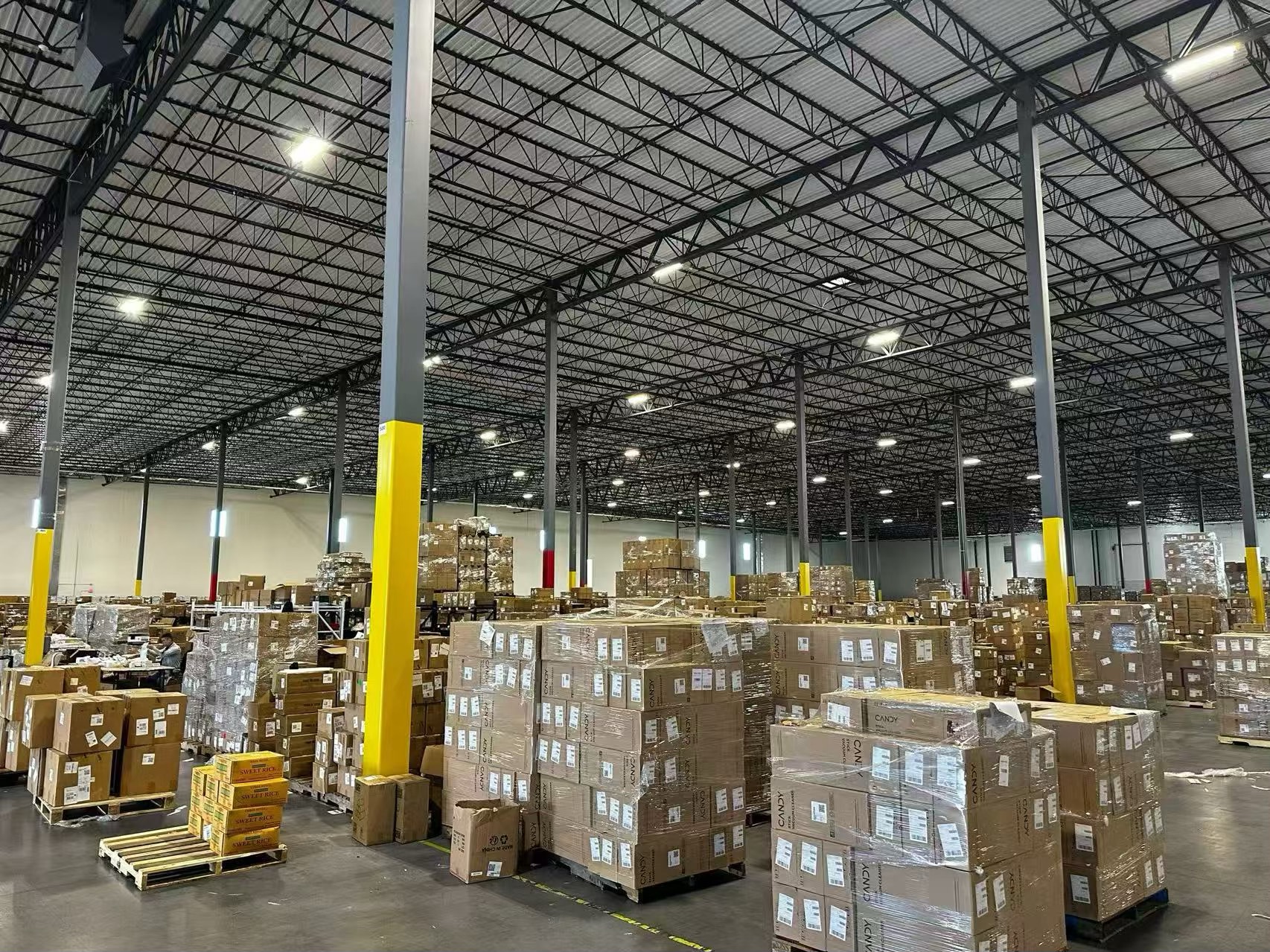
FBA Removal Strategy 2025: Cut Storage Fees Before They Spike
Playbook for deciding between price cuts, removals, and liquidation based on contribution margin and IPI targets.
Read Full Strategy →
From FBA to 3PL: Turning Removal Orders into Margin Recovery
Case examples of brands that route removals to WinsBS hubs for relabeling, bundles, and multi-channel fulfillment.
Explore Case Study →
Aged Inventory Dashboard: When to Remove vs. When to Hold
How to use sell-through, seasonality, and fee simulations to time removal orders correctly.
View Dashboard Guide →Content Attribution & License
General definitions and public references are shared under the CC BY-SA 4.0 License.
Analytical insights and operational commentary labeled as “WinsBS Research” are original works © WinsBS Research (2025) and licensed exclusively to WinsBS Wiki.
Data references include Amazon Seller Central FBA Removal Help, Amazon inventory performance and storage fee documentation, and WinsBS Research datasets on aged inventory and removal behavior.
Information verified as of November 2025. WinsBS Research assumes no liability for fee, policy, or program changes after publication.