










FBA Prep Services — Definition & 2025 Certified Inbound Workflow Updated Nov 2025
Source: Amazon FBA Inbound Policies, Amazon Packaging & Prep Requirements, U.S. CBP Import Guidance, and WinsBS Research (2025). FBA prep services combine product inspection, compliant labeling, protective packing, kitting, and Amazon-ready carton/pallet preparation before inventory enters Fulfillment by Amazon (FBA) warehouses.
Industry Standard Definition
View Official-Aligned Definition
FBA Prep Services refer to third-party or in-house workflows that make products fully compliant with Amazon’s FBA packaging, labeling, and inbound shipment rules before they arrive at fulfillment centers. Typical tasks include FNSKU labeling, suffocation-warning poly-bagging, carton labeling, packaging upgrades, kitting/bundling, and palletization.
For cross-border sellers shipping from China or other manufacturing hubs, FBA prep often happens at origin or at a transit hub, combining inspection, prep, and freight forwarding into a single workflow that reduces rejections and avoids costly rework inside Amazon’s network.
Regional Nuance — FBA Prep in US, EU/UK & Cross-Border (2025)
View Regional Differences
| Region | Inbound Focus | Prep & Compliance Implication |
|---|---|---|
| United States (US) | FBA focuses on scannable labels, safe packaging, and precise weights/dimensions. IPI thresholds and overage fees penalize slow-moving or non-compliant inventory. | Sellers rely on U.S.-based FBA prep hubs to fix label/packing issues, handle returns, and rework rejected shipments before sending back into FBA. |
| United Kingdom / European Union (UK/EU) | Pan-EU FBA involves multi-country storage and VAT obligations. Packaging must meet both Amazon standards and local consumer-safety rules. | FBA prep must align with country-of-origin marking, CE/UKCA, WEEE, and local language requirements. Error-free carton labels are critical for cross-border transfers. |
| Cross-Border (China → US/EU) | Factories often ship mixed-quality packing and incomplete labels. Customs documentation, HTS classification, and carton data must match FBA shipment plans. | Many brands use an origin FBA prep center in China to perform inspection, zero-error FNSKU labeling, compliant packing, and carton/pallet setup before consolidating for DDP/DDU freight into Amazon FBA. |
| Hybrid Model (China → U.S. Transit Hub → FBA) | Inventory first moves to a U.S. 3PL transit hub, which then reships smaller batches into FBA based on IPI, storage fees, and sales velocity. | FBA prep combines origin QC with destination-level carton splitting, relabeling, and returns rework — limiting long-term storage and overstock fees inside Amazon. |
Certified FBA Prep Workflow — From Factory to FBA (2025)
View Workflow Structure
| Stage | Core Tasks | Operational Notes |
|---|---|---|
| 1. Product Compliance & Data Capture | Collect ASIN/FNSKU, UPC/EAN, carton contents, and HS codes. Verify required certifications (e.g., FCC, CPC, FDA where applicable). | Prevents customs holds and FBA inbound rejections caused by restricted items or incomplete compliance documentation. |
| 2. Unit-Level Prep & Labeling | Print and apply FNSKU labels; cover old barcodes; add warning labels and date codes where required. | All labels must be scannable, placed on flat surfaces, and use the correct MM-DD-YYYY or local-compliant date format for expirable goods. |
| 3. Protective Packing & Poly-Bagging | Upgrade supplier packaging with bubble wrap, air pillows, or foam; poly-bag loose items with ≥ 1.5 mil thickness and printed choke warnings. | Reduces damage rates and ensures items meet Amazon’s packaging and suffocation-warning rules. |
| 4. Kitting, Bundling & Custom Sets | Assemble multi-packs, bundles, and gift sets; application of “Do Not Separate” and other instruction labels. | Ensures each kit is treated as a single sellable unit with a dedicated FNSKU and clear labeling. |
| 5. Carton & Pallet Preparation | Build cartons with correct weight, dimensions, and contents per shipment plan. Apply carton labels and, where relevant, pallet labels and “Team Lift/Mech Lift” tags. | Minimizes mismatches between cartons and Seller Central plans, a frequent cause of inbound performance defects. |
| 6. Pre-Ship Audit & Variance Reporting | Scan-check FNSKUs and carton labels; verify counts, weights, and measurements; generate photo-based variance reports for supplier errors. | Catching issues at the prep center prevents full-shipment rejection and unnecessary returns from FBA. |
| 7. Freight Forwarding & Inbound Routing | Book ocean/air/express routes, prepare customs documents, and schedule FBA appointments via Amazon Carrier Central or partner carriers. | Aligns lead times with FBA capacity and Inventory Performance Index (IPI) constraints to limit storage surcharges. |
| 8. Returns Handling & Rework (Optional) | Receive FBA returns at transit hubs; inspect, repackage, relabel, and reship sellable inventory. | Converts “unsellable” stock back into revenue and reduces write-offs on damaged or mislabeled inventory. |
Global FBA Shipping & Transit Hub Strategy
View Inbound Logistics Model
Effective FBA prep rarely stands alone — it is tightly linked with international freight, customs clearance, and inbound routing into Amazon fulfillment centers. A robust strategy typically uses:
- North America Inbound Optimization
- Dedicated trucking or line-haul into FBA, appointment scheduling through Carrier Central, and pre-delivery audits on pallet height, carton configuration, and weight to avoid check-in delays.
- Transit Hubs as Buffers
- U.S. transit hubs act as inventory safety nets when FBA capacity is constrained. Sellers can temporarily store, rework, or split inventory before re-entering FBA, reducing dock congestion and secondary carrier fees.
- Multi-Modal Routing
- Combining ocean, air, and domestic ground routing allows sellers to balance cost and speed across new launches, seasonal peaks, and steady replenishment cycles.
- Real-Time Visibility & Customs Support
- End-to-end dashboards and document support (commercial invoices, packing lists, declarations) keep shipments visible from factory floor to “Received at FBA” status.
SFP-Grade FBA Prep Standards & Operational Benchmarks
View Quality Benchmarks
Many advanced FBA prep providers calibrate their operations to Seller Fulfilled Prime (SFP) or FBM+-level accuracy and on-time standards, even though the final delivery is handled by Amazon FBA. This typically means:
| Area | What “SFP-Grade” Means in Prep | Typical 2025 Benchmark |
|---|---|---|
| Labeling Accuracy | Correct, scannable FNSKU on every unit; old barcodes fully covered. | > 99.9% unit-level label accuracy. |
| Carton & Pallet Accuracy | Carton contents, dimensions, and weights match shipment plans. | > 99.5% carton-level accuracy on audits. |
| Damage Rate Post-Prep | Proper void-fill, carton selection, and pressure-tested packing. | < 0.5% damage rate from prep center to FBA check-in. |
| Turnaround Time (TAT) | From receipt at prep center to “ready to ship to FBA.” | Commonly 24–48 hours for standard SKUs. |
| Exception Handling | Systematic rework for mislabeled, damaged, or non-compliant units. | Same-day re-label/repack for flagged cartons during audits. |
FBA Prep Services — Pricing Structure & Cost Components
View Pricing Components
FBA prep pricing is typically a mix of per-unit fees, per-carton fees, hourly value-added work, and pass-through material and freight costs. While exact quotes vary by SKU complexity and shipment size, common components include:
Per-Unit Core Prep Services
| Service | Billing Logic | What It Usually Covers |
|---|---|---|
| FNSKU Labeling | Per unit | Printing and applying FNSKU labels; covering manufacturer barcodes. |
| Basic Visual Inspection | Per unit or included | Checking obvious damage, color/ASIN match, and packaging condition. |
| Poly-Bagging | Per unit + materials | Bagging loose items with suffocation warnings and proper thickness. |
| Carton Packing | Per unit or per carton | Loading units into outer cartons with void fill and secure sealing. |
Value-Added Services & Materials
| Service | Typical Billing | Key Cost Drivers |
|---|---|---|
| Kitting & Bundling | Per minute or per kit | Number of components, labeling needs, and wrapping method. |
| Repackaging & Upgraded Boxes | Hourly + materials | Box grade, inner protection, brand requirements. |
| Palletization | Per pallet | Number of cartons, wrap layers, edge guards, labels. |
| Supplies | Pass-through | Bubble wrap, custom cartons, bags, labels, warning stickers. |
Shipping & Inbound Freight
Freight and customs costs are usually quoted separately from prep fees and are driven by Incoterms, mode of transport (ocean/air/express), distance to FBA, and duty/tax rules. Many sellers seek combined prep + forwarding quotes to understand true landed cost per sellable unit.
Risk Radar — Common FBA Prep Failure Modes
View Key Risks
Poorly managed FBA prep can create downstream issues that multiply costs and disrupt inventory flow. Typical risks include:
- FNSKU Labeling Errors Wrong ASIN, unscannable or missing labels that trigger inbound shipment defects or forced relabel at FBA.
- Packaging Non-Compliance Missing suffocation warnings, fragile items without cushioning, or poly bags below required thickness causing damage, rework, or rejections.
- Carton Data Mismatches Differences between declared and actual weights, dimensions, or contents that generate Inbound Performance flags and inventory holds.
- Pallet & LTL Issues Pallets exceeding height limits, wrong pallet type, or missing pallet labels that lead to appointment refusals, extra handling, or carrier fees.
- Customs & Documentation Gaps Incomplete invoices, HS codes, or country-of-origin details causing customs delays and late arrivals at FBA.
- Returns & Unsellable Inventory No structured plan for FBA returns rework, forcing sellers to discard stock that could have been refurbished, repacked, or relabeled for resale.
WinsBS Expert Insight — FBA Prep as an Inbound Control Tower
For cross-border brands, FBA Prep Services are more than a checklist — they are a control tower for inbound risk. When one weak link appears (incorrect labels, loose packing, mismatched carton data), the result can be:
- Rejected or delayed FBA shipments at the dock.
- Unexpected storage, rework, or carrier fees.
- Lost sales from stock-outs or stranded inventory.
WinsBS operates certified FBA prep workflows in coordination with global freight and U.S. transit hubs (Dallas, Portland, New Jersey), including:
- Zero-error FNSKU labeling and Amazon-compliant packing from China and Asia-based suppliers.
- Transit-hub splitting, consolidation, and return rework before re-entering FBA.
- Integrated ocean/air/express routing and appointment scheduling into Amazon FCs.
If you want your next inbound to arrive at FBA without labeling surprises, packaging violations, or last-minute rework, a specialist prep partner can significantly reduce risk and total landed cost.
FBA Prep Services FAQ — Common Questions
What are FBA Prep Services?
FBA Prep Services are specialized workflows that prepare your inventory to meet Amazon’s FBA inbound requirements. They include inspection, labeling, poly-bagging, packing, kitting, and carton/pallet setup so that shipments can be received, scanned, and stored without manual intervention at FBA centers.
Do I need FBA Prep if my factory already packs products?
Many factories pack for bulk transport, not for Amazon’s rules. FBA Prep checks that barcodes are scannable, suffocation warnings are present, packaging is durable enough, and cartons match your shipment plans. Even with strong factory packing, a prep center often catches issues before they become costly inbound defects or rejections.
Where should FBA Prep happen — in China or in the U.S.?
Many brands use a hybrid approach. Origin-based prep in China is ideal for large production runs and kitting, while U.S. transit hubs are useful for final splitting, relabeling, and returns rework before sending inventory into FBA. The right mix depends on your product, lead times, and IPI/storage strategy.
How fast can a professional FBA prep center process inventory?
For standard items, many centers target 24–48 hours from receipt to “ready to ship to FBA,” assuming documentation and shipment plans are in place. Complex kitting, inspections, or compliance checks can add extra time and should be built into your launch timeline.
Can FBA Prep Services handle returns and unsellable inventory?
Yes. Advanced providers can receive your FBA returns, inspect them, repack or relabel sellable units, and then route them back to FBA or to other channels. This helps you recover margin from stock that would otherwise be written off or liquidated at a loss.
How do I get a tailored quote for FBA prep and inbound shipping?
Because pricing depends on SKU complexity, volumes, and shipping routes, most providers offer customized quotes. With WinsBS, you can share your ASIN list, carton specs, and target FBA centers, and our team will map out prep tasks, routing options, and cost-per-unit expectations.
WinsBS Blog Insights
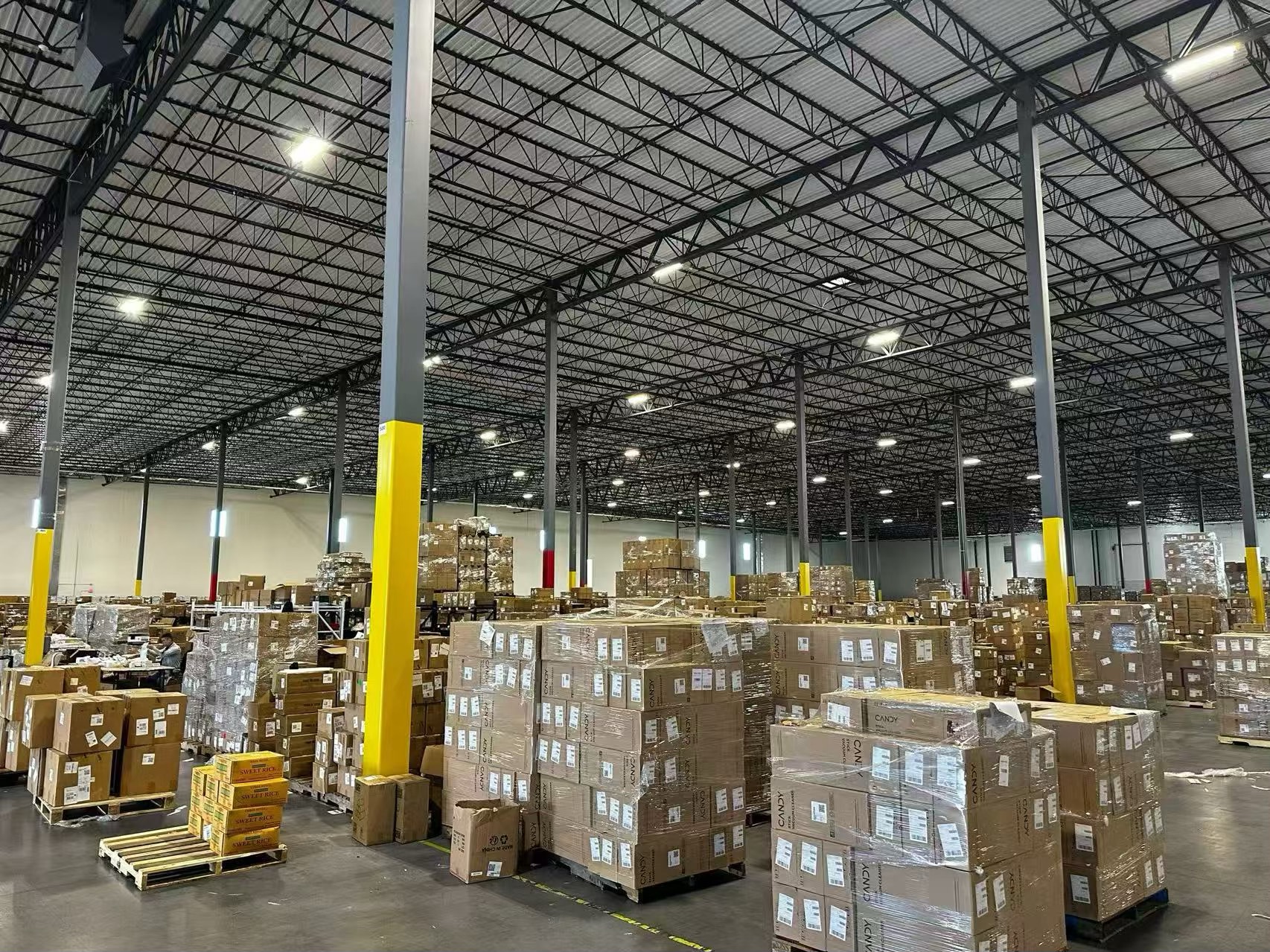
How to Prevent Amazon FBA Inbound Rejections in 2025
Breakdown of the top rejection reasons (carton mismatch, label errors, pallet rules) and how to design an end-to-end compliant prep workflow.
Read Full Guide →
The Complete FBA Prep Checklist: Labels, Packaging & Pallets
A step-by-step checklist covering FNSKU placement, suffocation warnings, poly-bagging, carton limits, and pre-ship audits.
Explore the Checklist →
China → US FBA: Designing a Zero-Delay Inbound Workflow
Operational strategies for aligning factory QC, prep centers, customs, and FBA routing — reducing delays and improving IPI performance.
Optimize Your Inbound Flow →Content Attribution & License
General definitions and public references are shared under the CC BY-SA 4.0 License .
Analytical commentary, benchmark figures, and process examples labeled as “WinsBS Research” are original works © WinsBS Research (2025) and licensed exclusively to WinsBS Wiki for educational use.
Information verified as of November 2025. Always review the latest Amazon FBA packaging and inbound policies before acting.