








Dropshipping — Definition & 2025 Supply Chain Overview Updated Nov , 2025
Source: Shopify Dropshipping Guide, Oberlo Research (2025 Update), and WinsBS Research. Dropshipping remains a no-inventory ecommerce model where merchants focus on marketing and supplier integration rather than warehousing.
Industry Standard Definition
View Official Definition
Dropshipping is a retail fulfillment model where a merchant sells products online without owning or storing inventory. When a customer places an order, the merchant forwards it to a third-party supplier or manufacturer who ships directly to the customer. This enables entrepreneurs to launch stores with low capital investment but introduces challenges in quality control and fulfillment visibility.
— Shopify Help Center: What Is Dropshipping? (Accessed Nov 2025)
- Meta & TikTok Shops: Require verified business identity and U.S. tax registration to sell cross-border via dropshipping.
- Supplier APIs: Integration via Shopify, WooCommerce, or TikTok Shop API automates inventory sync and order routing.
- Returns Handling: Platforms now require valid U.S. return address or third-party fulfillment service partner (3PL).
Regional Variations — Compliance & Cost Factors (2025)
View Regional Differences
| Region | Platform Focus | Key Regulation or Risk |
|---|---|---|
| United States | Shopify, TikTok Shop, Amazon FBM | Sales tax nexus, FTC disclosure on “Ships from China”, Section 321 compliance |
| Europe (EU) | Shopify, Zalando, Etsy | VAT registration (OSS), GDPR data handling, consumer return rights (14–30 days) |
| Australia & UK | eBay, TikTok Shop | ABN registration, GST compliance, import labeling requirements |
| China / Cross-border suppliers | AliExpress, 1688, Temu suppliers | Unverified suppliers, shipping delays, counterfeit risks |
Expert Analysis — WinsBS Research
View Analyst Insight
Maxwell Anderson, Chief Editor at WinsBS Research:
“Dropshipping has evolved from a beginner’s ecommerce entry model into a global hybrid fulfillment ecosystem. In 2025, success depends less on product arbitrage and more on supply chain integration — connecting WMS, ERP, and supplier APIs for visibility and consistency. WinsBS data shows that brands using U.S.-based 3PL partners for returns and local stock buffer improved NPS by 38%.”
Critical Risk Terms (2025)
Dropshipping FAQ — Common Questions
Is dropshipping still profitable in 2025?
Yes, but margins are tighter. Profitability depends on product selection, fast logistics, and compliance with U.S./EU return policies. Hybrid dropshipping with local 3PL support is now mainstream.
Is dropshipping legal in the U.S.?
Yes. However, FTC requires sellers to disclose actual shipping times and origin (“Ships from China” if applicable). Non-disclosure can trigger account suspension or consumer complaints.
How can I avoid unreliable suppliers?
Work only with verified vendors (via Alibaba Verified or WinsBS partner list). Always test orders and monitor fulfillment times through API-based tracking or WMS dashboards.
Can I build a brand through dropshipping?
Absolutely — brand dropshipping focuses on custom packaging, local buffer inventory, and unified 3PL fulfillment. WinsBS Research finds that branded dropshipping increases repeat purchase rates by 42%.
WinsBS Blog Insights
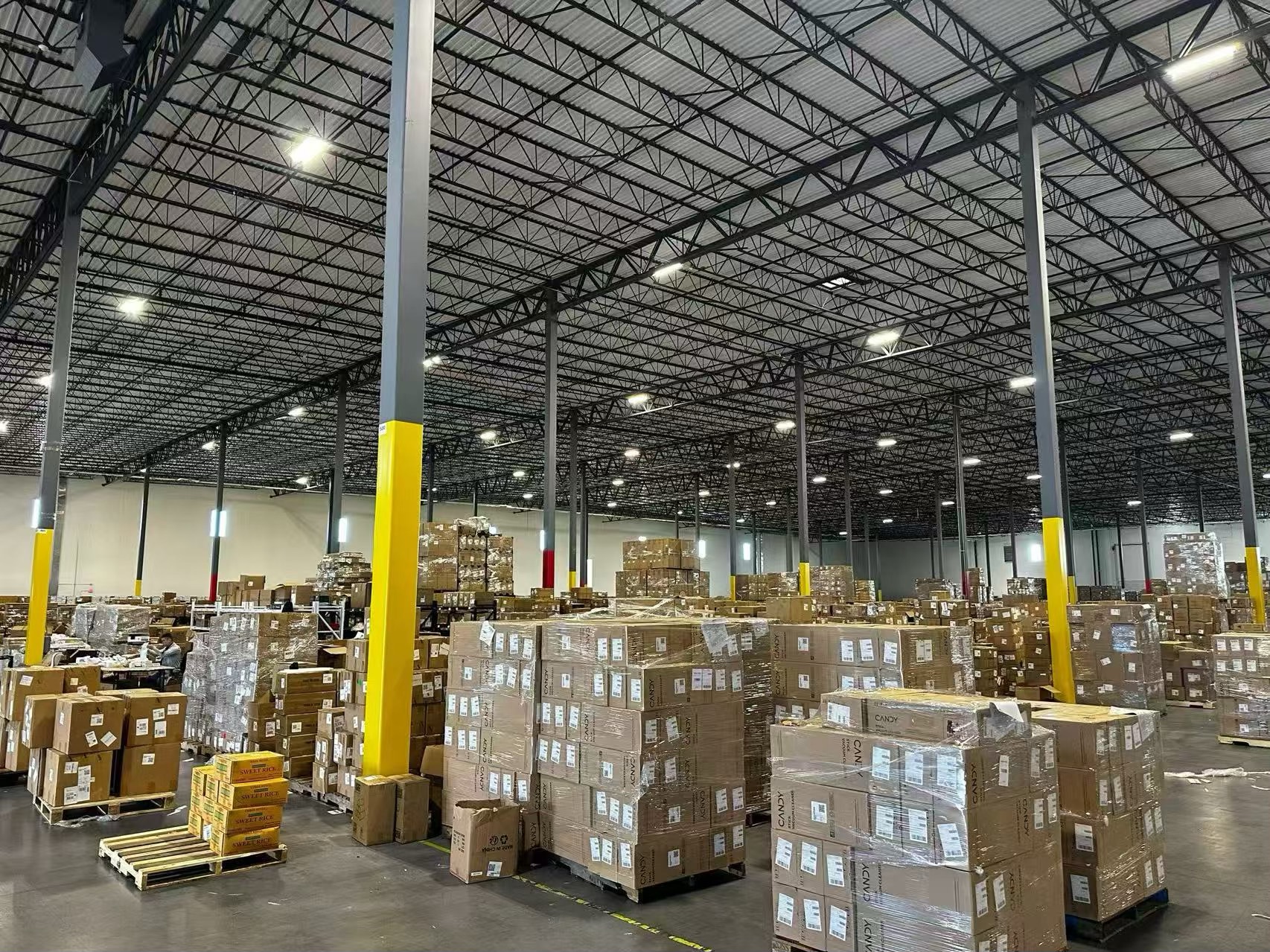
Dropshipping vs 3PL: Where Brands Should Invest in 2025
Compares no-inventory models with full 3PL control. Which delivers faster growth and customer retention?
Read Full Analysis →
How to Manage Suppliers via API for Real-Time Sync
Step-by-step guide to integrate supplier APIs and automate fulfillment updates across platforms.
Explore Guide →
Branded Dropshipping: Turning a Generic Store into a Real Brand
How successful U.S. sellers use local 3PLs and packaging to move beyond generic supplier models.
Learn Branding Tips →Content Attribution & License
General definitions and public references are shared under the CC BY-SA 4.0 License.
Analytical insights and case data labeled as “WinsBS Research” are original works © WinsBS Research (2025) and licensed exclusively to WinsBS Wiki for educational use.
Data sources include Shopify Help Center, Oberlo Insights, Meta/TikTok policy updates, and WinsBS Research datasets.
* Information verified as of November 2025. WinsBS Research assumes no liability for regulatory or platform changes after publication.