










Crowdfunding Fulfillment — Definition & 2025 Operational Scope Updated Nov 6, 2025
Source: Kickstarter Creator Handbook, Indiegogo Fulfillment Guide, Gamefound Logistics Policy, and WinsBS Research (2025). Crowdfunding fulfillment covers pledge-to-delivery operations including kitting, compliance, and region-specific taxation.
Industry Standard Definition
View Official Definition
Crowdfunding Fulfillment is the post-campaign process through which creators deliver pledged rewards to backers on platforms like Kickstarter, Indiegogo, and Gamefound. It involves data transfer from pledge managers, SKU mapping, inbound QC, pick & pack by reward tier, labeling, customs declaration, and global distribution with region-specific VAT or GST handling.
— WinsBS Research: Crowdfunding Operations Review (2025)
- IOSS/DDP: Mandatory for EU parcels ≤€150; prevents VAT-at-door incidents.
- UK VAT: Post-Brexit shipments must show GB VAT number on CN22/CN23 forms.
- DG/Battery Rules: UN3481 compliance for lithium batteries; air carriers apply strict routing limits.
- Survey Lock: Expect 5–10× order spike; plan staggered waves and address validation before lock date.
Regional Variations & Compliance Highlights (2025)
View Key Regional Rules
| Region | Tax / Regulation | Operational Note |
|---|---|---|
| United States | Section 321 (≤$800) | DDP backup recommended for high-value tiers; ensure declared value accuracy and address validation. |
| European Union | IOSS, CE/WEEE | Use IOSS for ≤€150 parcels; CE & WEEE required for electronics; DDP reduces RTS & VAT collection at delivery. |
| United Kingdom | GB VAT, UKCA | Display GB VAT on label and invoice; dual labeling for CE→UKCA transition period (until Dec 2025). |
| Canada | GST/HST | Low de minimis threshold; DDP preferred for accurate duty collection and tracking continuity. |
| Australia / New Zealand | Low-Value GST | Declare true value and HS codes; hybrid couriers improve scan coverage for low-value parcels. |
Expert Analysis — WinsBS Research
View Analyst Insight
Michael, Senior Supply Chain Analyst, WinsBS Research (Crowdfunding Division):
“Backer satisfaction hinges on DDP accuracy and transparent tracking. In 2025, 82% of creators who used IOSS/DDP maintained <2% RTS rates. The biggest failure risks remain pledge manager sync errors and undervalued declarations that trigger EU rejections.”
Critical Risk Terms (2025)
Crowdfunding Fulfillment FAQ — Common Questions
How is crowdfunding fulfillment different from ecommerce fulfillment?
Orders arrive in post-campaign waves instead of daily flow. SKUs, tiers, and add-ons vary widely, requiring kitting and address verification before mass dispatch.
What documents are needed for EU/UK shipments?
CE/UKCA compliance, test reports, HS codes, IOSS or GB VAT number, true declared value, and MSDS for battery items (UN3481).
What’s the recommended timeline after survey lock?
First wave dispatch typically begins 7–10 business days post-survey if stock is received and QC cleared. DDP documentation can add 2–3 days for validation.
WinsBS Blog Insights
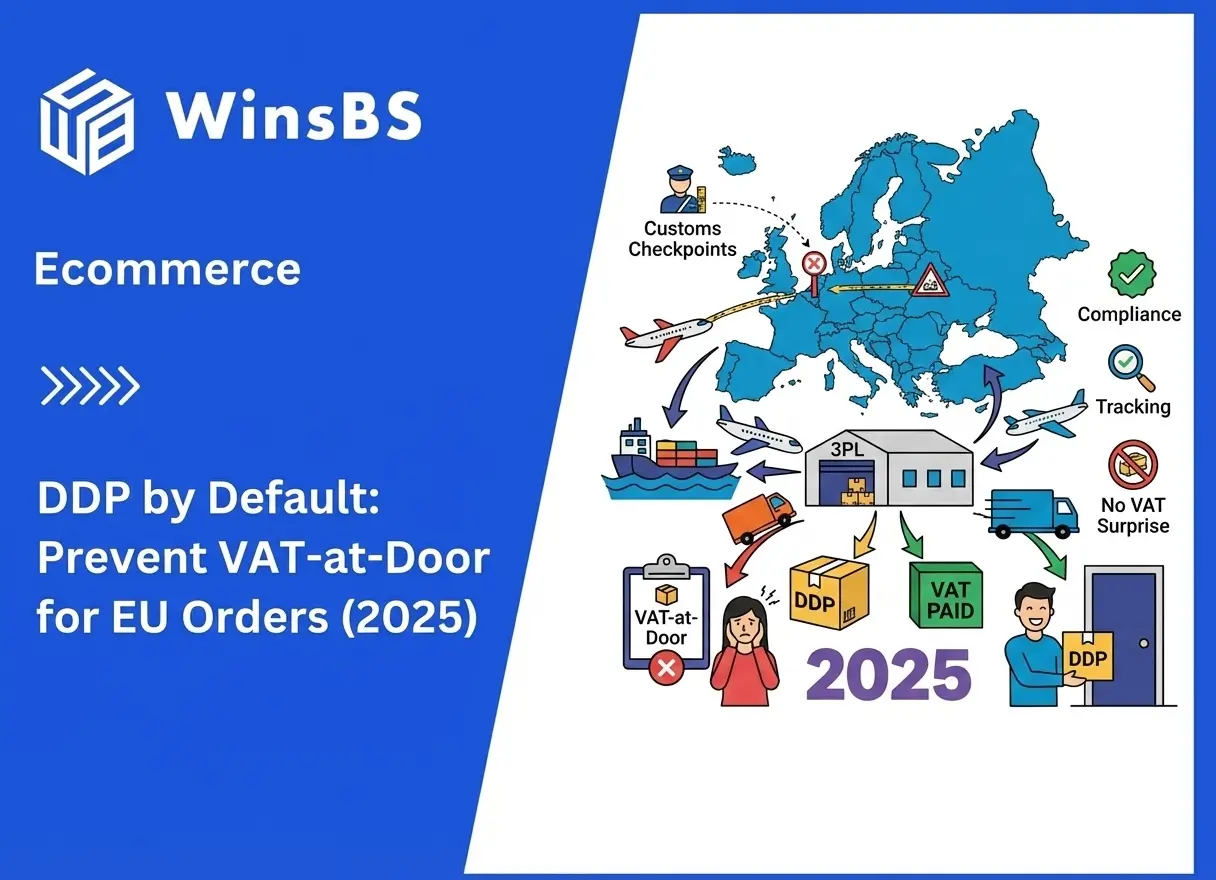
DDP by Default: Prevent VAT-at-Door for EU Backers
Practical setup for IOSS/DDP routing and carrier selection to reduce RTS and delivery failures.
Read Full Guide →
Survey Lock Logistics: Managing 10× Order Spikes
Staggered wave strategy and fulfillment pacing to prevent warehouse overload and carrier backlog.
Explore Plan →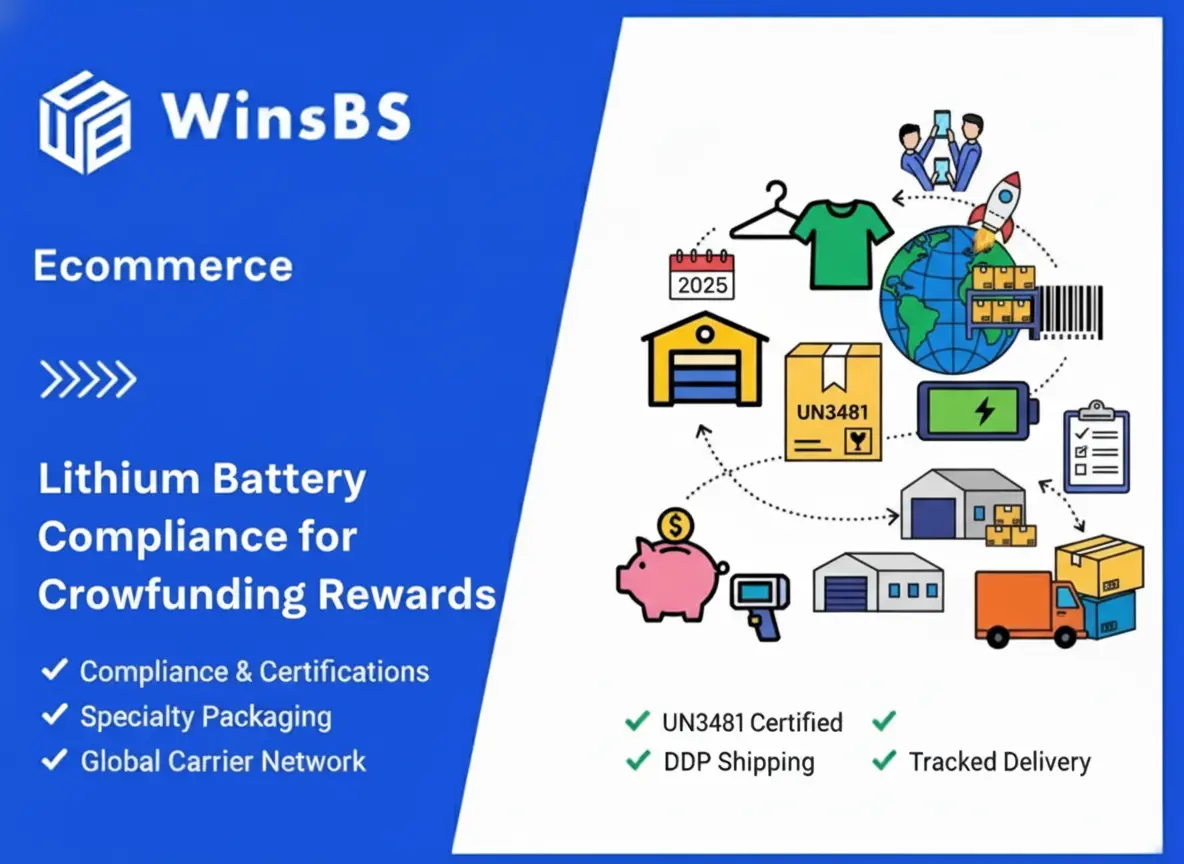
Lithium Battery Compliance for Global Rewards
UN3481 packaging and carrier limitations that creators must follow for safe international delivery.
View Checklist →Content Attribution & License
General definitions and public references are shared under the CC BY-SA 4.0 License.
Analytical insights and case data labeled as “WinsBS Research” are original works © WinsBS Research (2025) and licensed exclusively to WinsBS Wiki for educational use.
Data sources include Kickstarter Creator Handbook, Indiegogo Help Center, Gamefound Policy Notes, and WinsBS Research datasets.
* Information verified as of November 2025. WinsBS Research assumes no liability for platform or regulatory changes after publication.