










Chargeback — The Financial Reversal Caused by Unresolved Fulfillment Failures (2025 Guide) Updated Dec 2025
Source: E-commerce fulfillment execution models, OMS/WMS operational audits, last-mile delivery exception analysis, and post-purchase dispute cases (2024–2025).
What Is a Chargeback in E-commerce Fulfillment?
View fulfillment-scoped definition
In the context of e-commerce order fulfillment, a chargeback is not a payment issue by default. It is the financial consequence of an unresolved fulfillment failure that escalates after an order has already been processed and settled.
Orders are confirmed. Inventory is allocated. Shipments are dispatched. When fulfillment execution breaks without timely resolution, the financial system reverses the transaction.
Most non-fraud chargebacks originate from delivery exceptions, tracking gaps, partial shipments, or mismatched items, not from customer payment behavior.
From a fulfillment perspective, a chargeback represents the moment when operational accountability is lost and financial control is forcibly rolled back.
Chargeback — Fulfillment Definition
In e-commerce fulfillment, a chargeback is the financial reversal that happens after a delivery, tracking, or order execution failure is escalated beyond the merchant’s control. It reflects unresolved fulfillment breakdowns rather than payment errors.
Where Chargebacks Originate in the Fulfillment Process
In practice, chargebacks are rarely random. They originate at specific fulfillment execution points.
| Fulfillment Stage | Execution Failure | Customer Perception | Chargeback Outcome |
|---|---|---|---|
| Picking | Wrong SKU or variant selected | Item not as described | Product mismatch dispute |
| Packing | Missing items in multi-SKU orders | Partial delivery | Incomplete order chargeback |
| Shipping | Tracking not updated or lost | Order never arrived | Non-receipt chargeback |
| Split Shipment | Packages arrive separately without notice | Perceived missing items | Duplicate or partial dispute |
| Cross-border | Customs delay without communication | Delivery failure | Escalated non-receipt |
Chargeback vs Refund — Fulfillment Perspective
From an order fulfillment standpoint, refunds and chargebacks represent two very different control states.
| Dimension | Refund | Chargeback |
|---|---|---|
| Trigger Point | Within fulfillment workflow | After fulfillment control is lost |
| Control | Merchant / fulfillment team | External escalation |
| Resolution Speed | Immediate | Delayed and uncertain |
| Operational Recovery | Possible | Not recoverable |
Chargeback as a Breakdown Point in Order-to-Cash (O2C)
In the O2C lifecycle, chargebacks occur after revenue is booked but before fulfillment accountability is resolved.
- Order placed and paid
- Inventory allocated
- Order fulfilled and shipped
- Payment settled
- Fulfillment issue unresolved
- Chargeback reverses cash flow
At this stage, only fulfillment evidence (tracking, delivery confirmation, packing records) can prevent permanent revenue loss.
Fulfillment Risk Radar (2025)
View chargeback escalation paths
- Tracking black hole: carrier scan missing → customer uncertainty → escalation → chargeback.
- Split shipment miscommunication: partial arrival → perceived shortage → dispute.
- Last-mile exception: delivery attempt failure without notice → non-receipt claim.
- Cross-border delay: customs hold without proactive update → order abandonment.
- Slow post-purchase response: unresolved tickets → external escalation.
Critical Fulfillment Risk Terms
View fulfillment-related risk glossary
Chargeback — Fulfillment Questions Answered
Are chargebacks caused by fulfillment issues?
In e-commerce, most non-fraud chargebacks originate from unresolved fulfillment or delivery failures rather than payment problems.
Can better tracking reduce chargebacks?
Yes. Reliable tracking and delivery confirmation significantly reduce non-receipt disputes.
Do split shipments increase chargeback risk?
Yes. Without clear communication, split shipments often lead customers to believe items are missing.
Are chargebacks preventable through fulfillment controls?
Many chargebacks can be prevented by improving fulfillment accuracy, delivery visibility, and post-purchase communication.
WinsBS Blog Insights
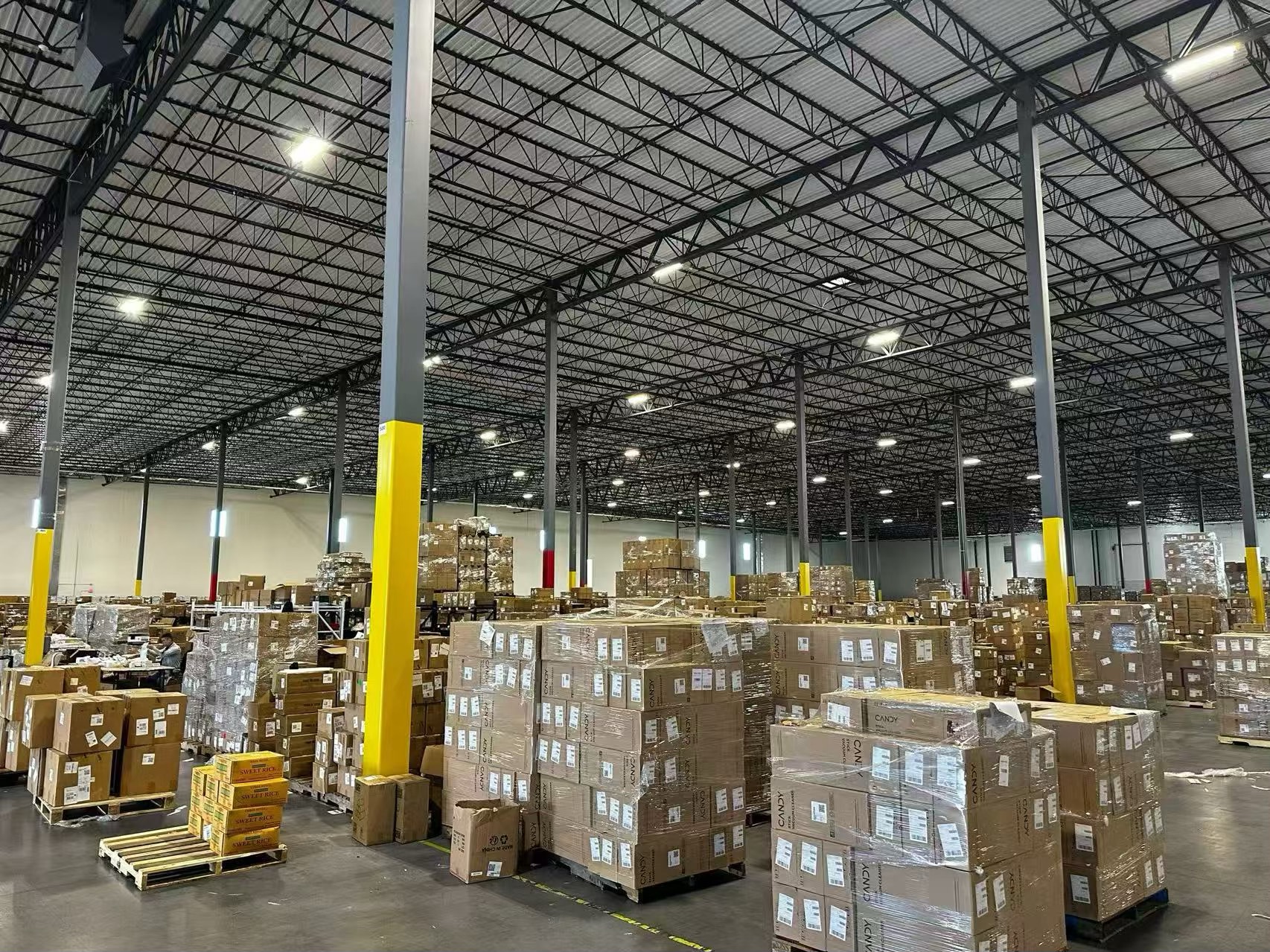
Why Fulfillment Gaps Become Chargebacks
Most chargebacks reflect breakdowns in tracking, delivery, or order execution.
Read Fulfillment Analysis →
Split Shipments and Dispute Escalation
How partial deliveries without communication drive unnecessary chargebacks.
Explore Case Study →
Tracking Visibility as Chargeback Prevention
Delivery confirmation and transparency are critical to dispute prevention.
View Prevention Guide →Chargeback Risk from a Fulfillment Perspective
Chargebacks are rarely isolated financial events. They are the downstream outcome of unresolved fulfillment execution issues.
Content Attribution & License
General definitions and public references are shared under the CC BY-SA 4.0 License .
Analytical insights and fulfillment interpretations labeled “WinsBS Research” are © WinsBS Research (2025) and licensed exclusively to WinsBS Wiki.
* Information verified as of December 2025. WinsBS Research assumes no liability for policy changes after publication.