










U.S. Customs and Border Protection (CBP) — Definition & 2025 Trade Enforcement Framework Updated Nov 2025
Source: U.S. Customs and Border Protection (CBP), Department of Homeland Security (DHS), WTO Trade Facilitation Resources, and WinsBS Research (2025). CBP is the primary U.S. federal agency responsible for border security, customs enforcement, trade compliance, and duty collection on imported goods.
Industry Standard Definition
View Official-Aligned Definition
U.S. Customs and Border Protection (CBP) is a federal law enforcement agency within the Department of Homeland Security (DHS) that is responsible for securing U.S. borders, regulating and facilitating international trade, collecting duties and taxes, and ensuring that goods, people, and conveyances entering the United States comply with U.S. laws.
— U.S. Customs and Border Protection Mission Statement
What CBP Does in the Import Process
View Core Responsibilities
- Customs Entry Review: Verifies CBP Form 3461 (Entry/Immediate Delivery) and CBP Form 7501 (Entry Summary) for every formal shipment.
- Duty & Tax Collection: Assesses and collects duties, Section 301 tariffs, user fees (MPF, HMF), and penalties.
- Security & Data Screening: Uses ISF 10+2, carrier manifests, AMS data, and targeting systems to identify risky cargo.
- Cargo Exams & Holds: Conducts X-ray / NII exams, tailgate exams, and intensive inspections at ports and inland facilities.
- Trade Compliance & Origin Enforcement: Enforces UFLPA, WROs, intellectual property rules, anti-dumping and countervailing duties.
- Partner Agency Coordination: Works with FDA, USDA, EPA, FCC and other Partner Government Agencies (PGAs) for admissibility.
CBP vs Customs Broker vs Importer of Record
View Comparison Table
| Entity | Primary Role | Legal Liability |
|---|---|---|
| CBP | Regulates and enforces U.S. customs, trade, and border laws. | Government authority; decides admissibility, penalties, and enforcement action. |
| Customs Broker | Prepares entries, transmits data, and communicates with CBP on behalf of importer. | Relies on importer’s data; limited liability, subject to licensing rules. |
| Importer of Record (IOR) | Supplies accurate documents, declares value/HTS, and pays duties and fees. | Full liability for declarations, duties, and long-tail compliance. |
Regional Nuance — U.S. vs EU vs UK Customs Authorities
View Differences
| Region | Customs Authority | Key Distinction for E-commerce Imports |
|---|---|---|
| United States | CBP | Strong focus on security (ISF, UFLPA) and revenue protection. De Minimis (Section 321) and formal entries with bonds dominate e-commerce flows. |
| European Union | EU Customs Authorities | Import VAT and IOSS are central. Multi-country rules, customs guarantees, and union transit matter for cross-border fulfillment. |
| United Kingdom | HMRC & UK Border Force | Post-Brexit split regime (UK VAT, UKCA). Emphasis on Customs Comprehensive Guarantee (CCG) and UK-specific trade agreements. |
Expert Analysis — WinsBS Research
View Analyst Insight
Maxwell Anderson, Editor-in-Chief & Data Director, WinsBS Research:
“In 2025, CBP is not only a border agency — it is a trade data agency. Our audits show that over 70% of e-commerce delays are triggered by data mismatches: product descriptions that do not match physical goods, incorrect HTS codes, undervalued invoices, or missing supply-chain evidence under UFLPA checks. For Amazon and Shopify brands, CBP has become the de facto gatekeeper for inventory velocity into the U.S. market.”
For cross-border sellers, CBP risk management is a function of:
- Data quality (SKU master, HTS mapping, COO evidence).
- Program selection (Section 321 small parcels vs. formal entries with bonds).
- Partner stack (broker, 3PL, and forwarder alignment on documentation).
Where CBP Shows Up in Your E-commerce Logistics Flow
View Typical Scenarios
- Containerized FBA/FBM Inbound: CBP screens ISF, ocean manifests, and entries for container shipments from China or Asia headed to U.S. 3PLs or Amazon FCs.
- Air Freight for Launch Campaigns: High-value electronics and launch inventory undergo tighter valuation and origin checks.
- Section 321 Small Parcels: De Minimis shipments still pass through CBP targeting systems and can be detained for origin, IPR, or safety issues.
- Returns & Warranty Replacements: Cross-border returns with refurbished or repaired items can trigger classification and valuation questions at re-entry.
- Battery, Cosmetics, and Food Categories: CBP coordinates closely with PGAs (FDA, DOT, TSA, USDA) for admissibility.
Critical CBP-Related Risks for Importers (2025)
CBP FAQ — Common Questions from E-commerce Sellers
Is CBP my logistics provider?
No. CBP is a government enforcement agency, not a carrier or 3PL. It supervises and enforces compliance on goods crossing the border; you still need a freight forwarder, customs broker, and 3PL for operations.
Does De Minimis (Section 321) mean CBP will ignore my parcels?
No. Even under Section 321, shipments are subject to CBP targeting. High-risk SKUs (batteries, branded goods, medical products) may be detained or inspected if documentation or origin is questionable.
Who is responsible if CBP finds a problem with my shipment?
The Importer of Record (IOR) is legally responsible. CBP may issue penalties, request supplemental duties, or detain goods. Brokers, forwarders, and 3PLs help with filings, but the IOR owns the compliance risk.
How can I reduce the chance of CBP exams and delays?
Use accurate product data (HTS, value, COO), maintain full origin documentation, and work with coordinated partners (broker, forwarder, 3PL) who share the same shipment data. Programs like C-TPAT can also lower risk.
Need Help Aligning Your Imports with CBP Rules?
Many e-commerce shipments are delayed not because of “bad products”, but because of incomplete documents, HTS mistakes, or missing origin evidence that trigger CBP targeting. WinsBS coordinates factory paperwork, customs documentation, and U.S. warehouse receiving so your inventory clears faster and lands closer to customers.
WinsBS Blog Insights
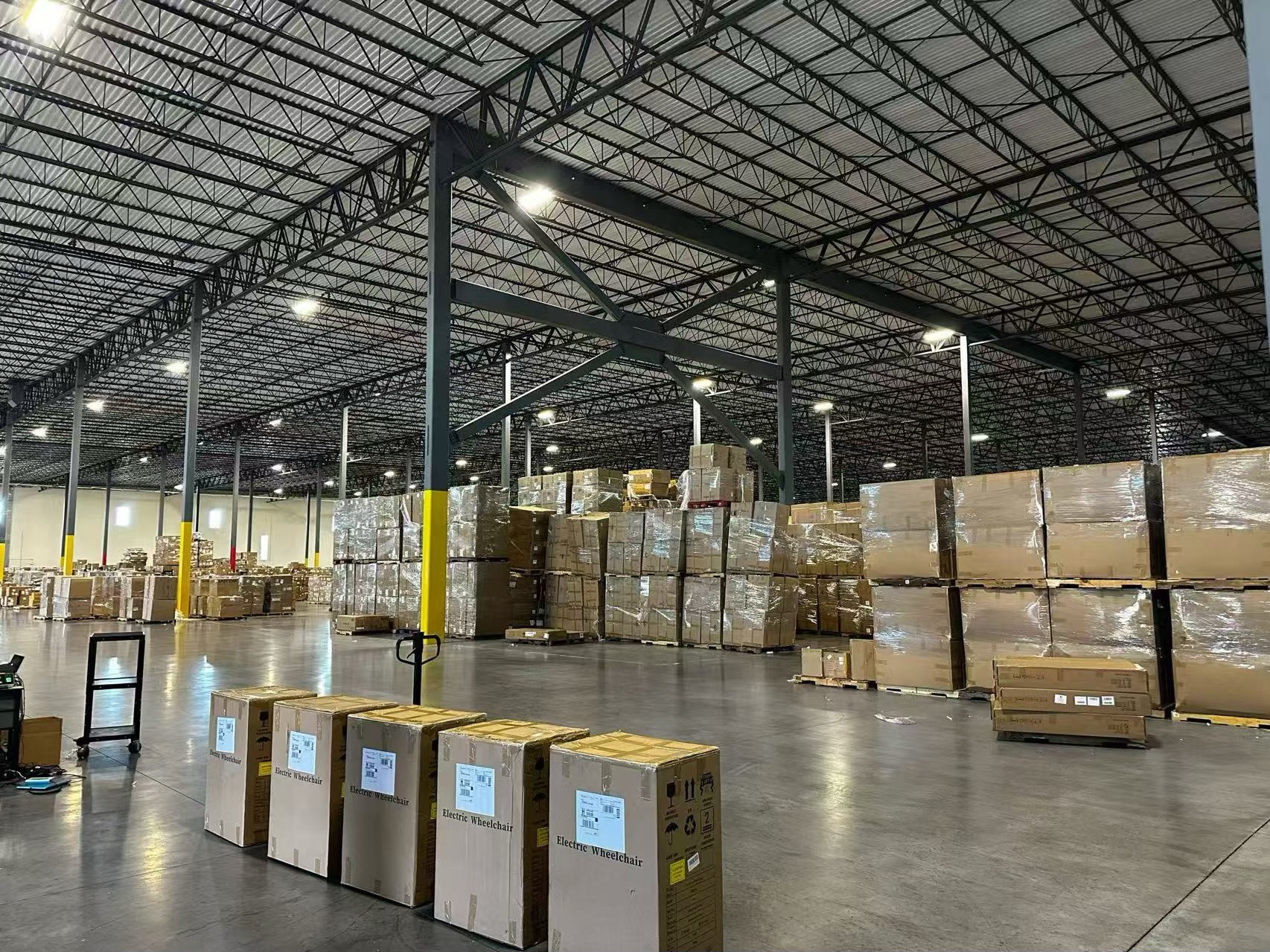
CBP Exams 101: How Container Inspections Impact Your Launch Timeline
Breakdown of VACIS scans, tailgate exams, and intensive inspections — plus how to structure documents and routing so your Amazon or Shopify launch date stays intact.
Read Guide →
UFLPA & CBP: Origin Traceability for China-Origin Supply Chains
A practical origin documentation playbook for apparel, electronics, and hardware brands facing heightened CBP scrutiny under UFLPA and WROs.
Learn More →
Data-Ready for CBP: Clean HTS, Clean Landed Cost
How to build a SKU-level HTS and COO master that keeps CBP entries clean, reduces penalty exposure, and stabilizes your landed cost model.
Read Insights →Content Attribution & License
General definitions follow the CC BY-SA 4.0 License .
Analytical insights labeled “WinsBS Research” are © WinsBS Research (2025), licensed exclusively to WinsBS Wiki.
Information verified as of November 2025. WinsBS Research is not liable for regulatory updates after publication.